Choosing a dining table is about much more than finding a style you love. The right size can completely change how your dining room looks and feels, making it easier to move around, seat guests comfortably and make the most of the space you have.
Whether you're furnishing a compact dining nook or a spacious open-plan kitchen, understanding the proportions of your room is the first step towards finding a table that works for everyday life.
This guide explains how to measure your space, choose the right shape and decide how many people your table should comfortably seat.
What This Guide Covers
-
How to measure your dining space
-
How much room to leave around a table
-
Standard dining table sizes
-
Round vs rectangular dining tables
-
Dining table seating guide
-
Common sizing mistakes to avoid
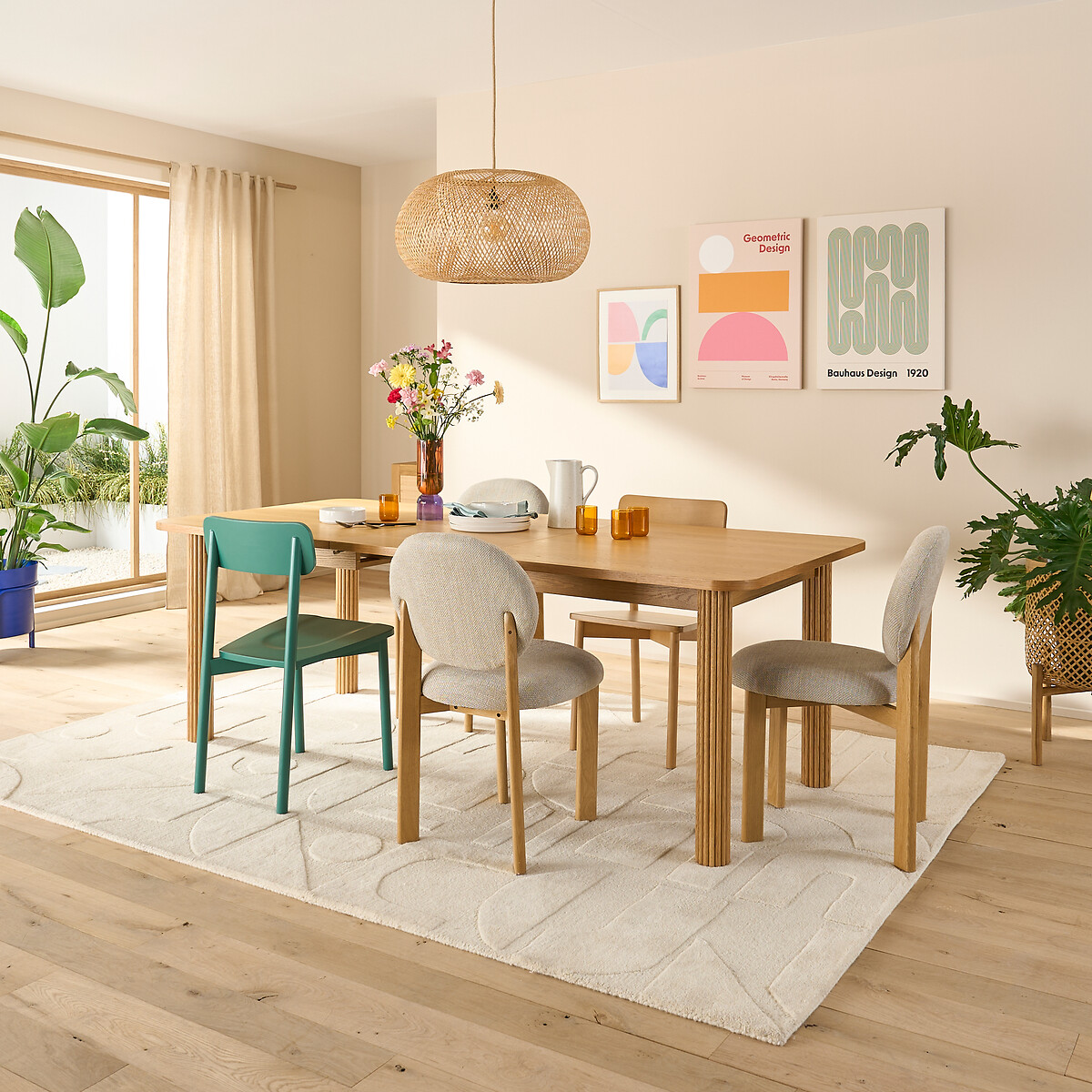
Step 1: Measure Your Space Before You Start Shopping
Before looking at dining tables, measure the area where the table will sit.
Don't just measure wall to wall, think about how you'll actually use the room.
Ask yourself:
-
Will chairs need to pull out fully?
-
Is there a doorway nearby?
-
Will people walk behind seated diners?
-
Does the room connect to a kitchen or hallway?
Taking these factors into account will help you avoid choosing a table that looks right on paper but feels too large once it's in place.
Step 2: Leave Enough Space Around the Table
One of the biggest mistakes people make is only measuring the table itself.
For a dining room to feel comfortable, you'll also need space for chairs and movement.
As a general guide, leave at least 90cm between the edge of the table and the nearest wall or piece of furniture.
This allows enough room to:
-
Pull chairs out comfortably
-
Walk around the table
-
Serve food without squeezing past people
If space is particularly limited, around 75cm can still work, although it may feel tighter.
Quick Tip: Use masking tape to mark the table's dimensions on the floor before buying. It gives you a much better idea of how the room will feel than measuring alone.
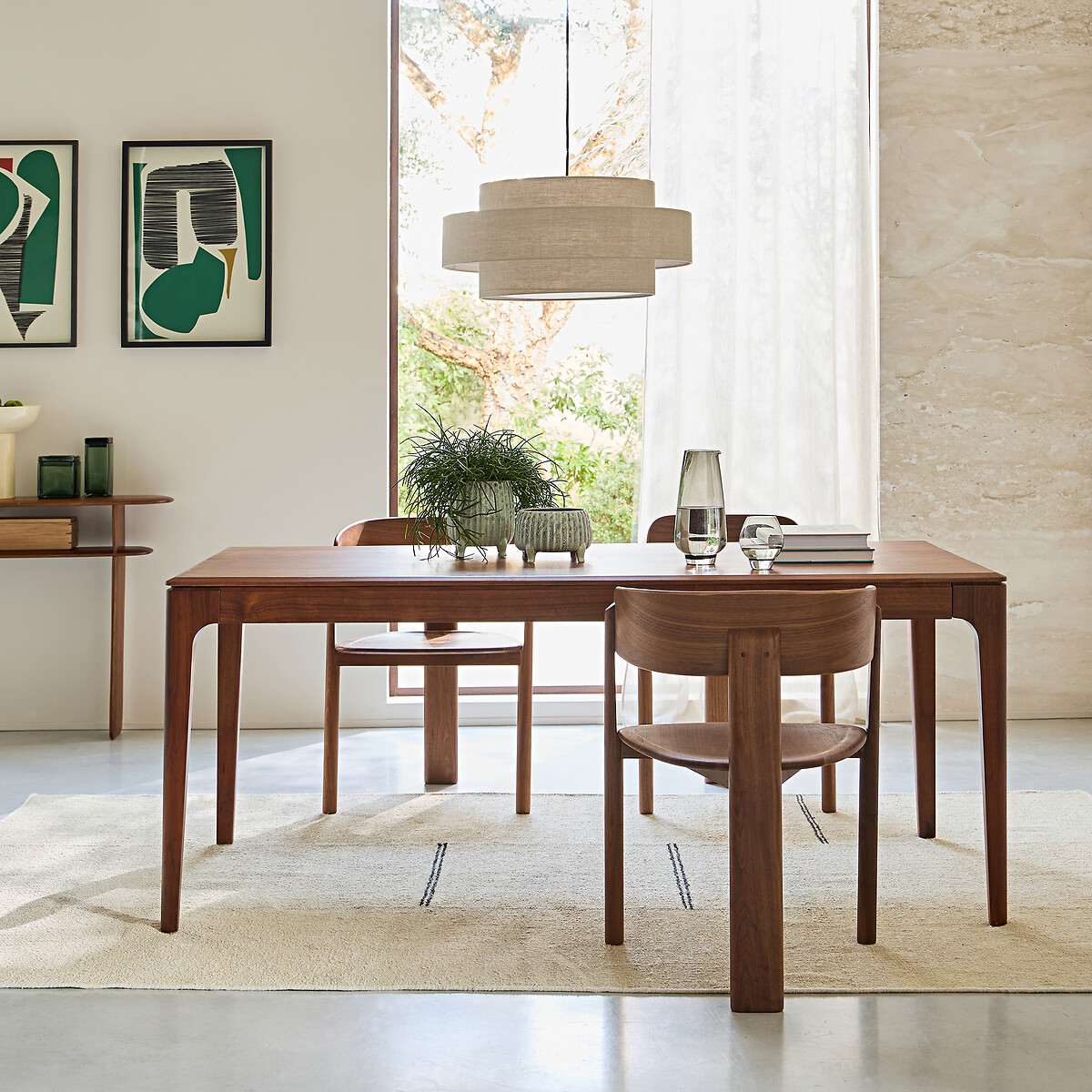
Dining Table Size Guide
The number of people a table seats depends on both its size and shape.
| Table Length | Seats Comfortably |
|---|---|
| 120cm | 4 people |
| 140–160cm | 4–6 people |
| 180cm | 6 people |
| 200–220cm | 6–8 people |
| 240cm+ | 8–10 people |
Remember that these are comfortable everyday seating recommendations rather than maximum capacities.
If you regularly entertain, choosing the next size up can make meals much more relaxed.
Round, Rectangular or Oval?
Each table shape has its own advantages.
Round Tables
Round tables work particularly well in smaller rooms.
They:
-
encourage conversation
-
soften the look of square spaces
-
have no sharp corners
-
allow flexible seating
They're often a great option for apartments or kitchen diners.
Rectangular Tables
Rectangular tables are the most versatile choice.
They're ideal for:
-
larger families
-
longer rooms
-
entertaining guests
-
extending with additional leaves
They're also easier to position against walls if space is limited.
Oval Tables
Oval tables combine many of the benefits of both.
They provide generous seating while taking up less visual space thanks to their curved edges.
If you love the look of a large dining table but want the room to feel lighter, an oval design is worth considering.
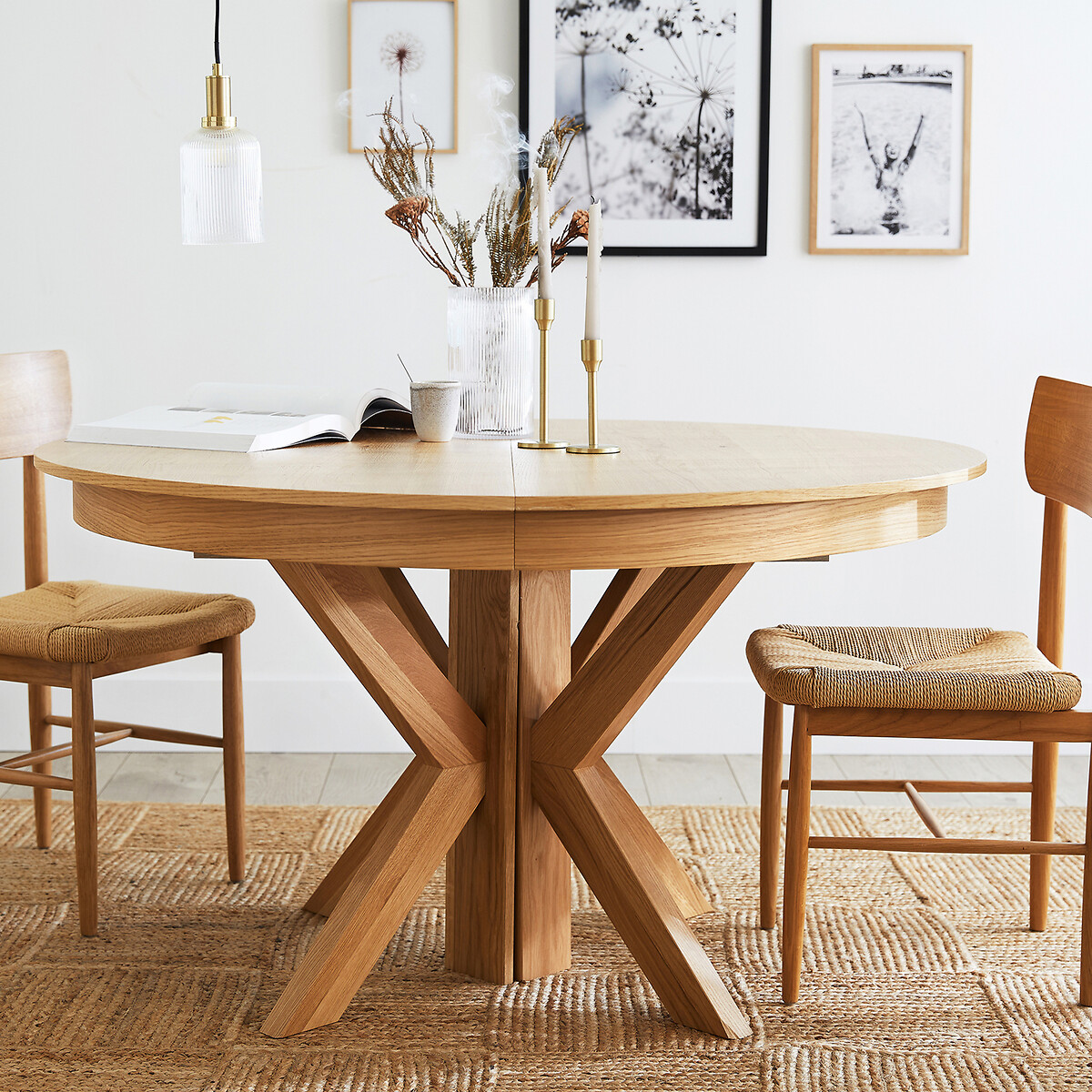
Choosing the Right Table for a Small Dining Room
A compact dining area doesn't necessarily mean compromising on style.
Some simple tricks can help maximise your space.
Choose lighter finishes
Lighter woods and painted finishes reflect more light, helping the room feel more open.
Consider a round table
Without corners, round tables often make moving around easier.
Think about extending tables
If you only host occasionally, an extending dining table gives you everyday practicality with extra seating when you need it.
Avoid oversized chairs
Slim-profile dining chairs can make a surprising difference in tighter spaces.
Don't Forget About Dining Chairs
When planning your dining area, remember that chairs take up almost as much room as the table itself.
As a guide, allow approximately 60cm of width per person.
This ensures everyone has enough personal space and prevents the table from feeling overcrowded.
If you're buying chairs separately, check that they'll slide neatly underneath the table when not in use.
Lighting Matters Too
The right lighting helps define your dining area and brings the whole room together.
As a general rule, a pendant light should hang centrally above the table, rather than in the centre of the room.
This creates a stronger focal point and helps the dining area feel more intentional—particularly in open-plan spaces.
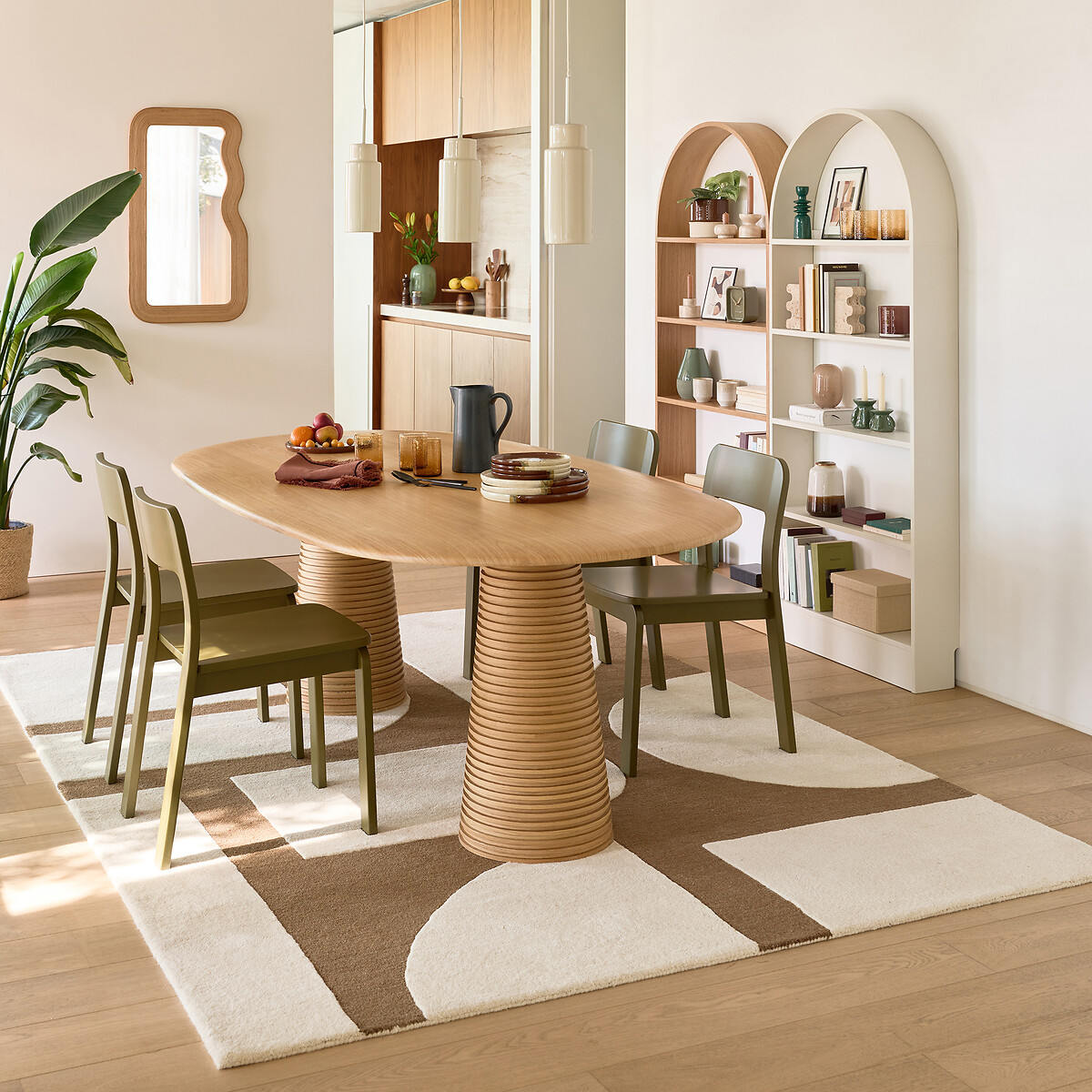
Common Dining Table Mistakes to Avoid
Even a beautiful dining table can feel impractical if it's the wrong size.
Try to avoid:
-
Buying the biggest table that fits the room
-
Forgetting to allow space for chairs
-
Blocking walkways or doors
-
Choosing style over practicality
-
Forgetting to measure access points before delivery
A little planning beforehand can save a lot of frustration later.
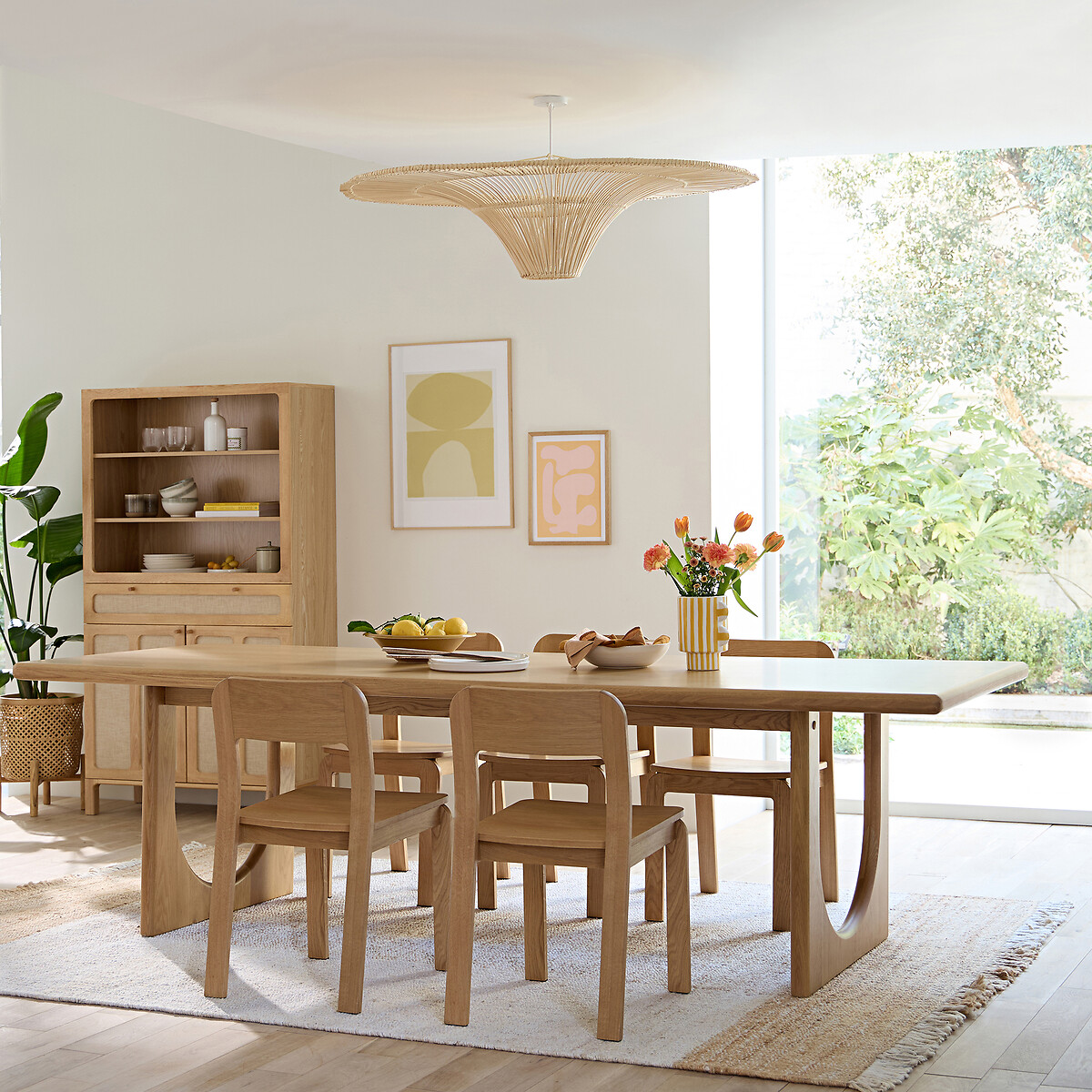
Quick Dining Table Checklist
Before placing your order, ask yourself:
✔ Have I measured the room?
✔ Have I allowed enough space around the table?
✔ Will chairs fit comfortably?
✔ Does the table suit how many people eat here every day?
✔ Can guests be accommodated when needed?
✔ Will it fit through the front door and any internal doorways?
Finding the Right Fit
The perfect dining table isn't always the largest or the most eye-catching, it's the one that works best for your home and the way you live.
By taking the time to measure your space, consider your seating needs and think about how your room functions day to day, you'll end up with a dining area that's comfortable, practical and built to last.
Whether you're gathering for everyday family meals or hosting friends for dinner, the right table creates a space where people naturally come together.
Frequently Asked Questions
What size dining table seats six people?
A table around 180cm long will usually seat six people comfortably, although this can vary depending on the chair size and table design.
How much space should you leave around a dining table?
Aim for 90cm between the edge of the table and the wall or surrounding furniture to allow chairs to move freely and people to walk comfortably.
Is a round or rectangular dining table better?
Round tables are often better for smaller spaces and encourage conversation, while rectangular tables generally provide more seating and work well in longer rooms.
Can a dining table be too big for a room?
Yes. Even if a table physically fits, it can make a room feel cramped if there isn't enough space to move around it comfortably. Always consider clearance as well as the table's dimensions.