Choose the right smart casual
Smart casual can feel easy in theory and awkward in practice. You know the brief: not too formal, not too relaxed, polished without looking stiff. Yet when you stand in front of your wardrobe before work drinks, a client lunch or dinner out, the line between smart and casual can quickly blur. The simplest way to get it right is to start with fit before trend. If your blazer pulls at the button, if your shirt sits too loose at the shoulder, or if your trousers break badly over your shoes, the whole look loses clarity.
A good smart casual outfit works because each piece has a job. Your blazer sharpens the silhouette, your shirt or polo keeps the outfit relaxed but tidy, and your trousers or jeans set the level of formality. For women and men alike, the best style choice is rarely the most complicated one. It is the one that fits your body, suits the setting and stays comfortable from the first meeting to the last train home.
That is why smart casual is less about following a rigid code and more about making practical decisions. If you are dressing for a business lunch, the look needs enough structure to feel considered. If you are heading to dinner, soft fabrics and darker tones often make more sense. When you choose with fit, use and care in mind, you build outfits you will actually wear rather than pieces that stay hanging in the wardrobe.
Start with fit: the foundation of smart casual style
The quickest way to judge whether a smart casual look works is to check the fit of the key pieces. This matters more than whether you choose a blazer over a knit or loafers over lace-up shoes. A well-cut item can make even simple casual basics look smart, while a poor fit can make expensive fashion choices feel off.
For a blazer, focus on three points: shoulder line, sleeve length and waist shape. The shoulder seam should sit where your shoulder naturally ends. If it drops too low, the blazer looks borrowed. If it sits too high, movement becomes restricted. Sleeves should finish around the wrist bone so a shirt cuff can show slightly. Through the body, aim for a shape that follows your frame without pulling across the chest or button.
For shirts, polos and fine knits, the collar should sit neatly, the chest should skim rather than strain, and the hem should suit the way you plan to wear it. A smart casual shirt worn untucked needs a shorter, cleaner hem than one intended for a full suit. Trousers should sit comfortably at the waist and fall cleanly from hip to ankle. If the fabric bunches heavily at the ankle, the look can turn messy very quickly.
Fit and sizing also varies by fabric. Cotton poplin shirts often hold more structure than jersey pieces. Stretch trousers may feel forgiving at first, but if they cling too closely they can look more weekend than business. Dark jeans should skim the leg rather than grip it, especially if you want to wear them with loafers or a blazer.
How slim, straight and relaxed fits change the look
Different cuts shift the mood of an outfit. Slim fit pieces often read sharper and more business-ready, especially in a blazer, shirt or tailored trousers. Straight-leg trousers and jeans feel balanced and versatile, which makes them a reliable choice if you move between office time and social plans. Relaxed cuts can work in smart casual dressing too, but only when the rest of the outfit keeps enough structure.
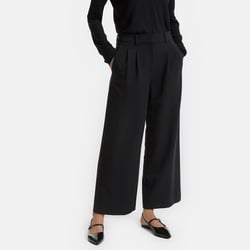
For example, if you choose wider trousers, keep the top half cleaner with a fitted shirt or a softly tailored blazer. If you wear a more relaxed overshirt, choose smarter trousers and refined shoes. This balance is what keeps casual style from slipping into something too laid-back for dinner reservations or work events.
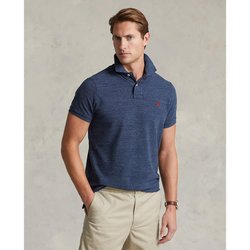
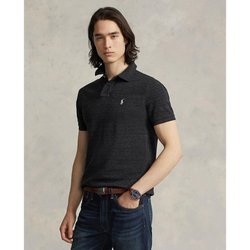
At La Redoute, our selection includes the Slim Fit Cotton Pique Polo Shirt in mid blue by POLO RALPH LAUREN, and Ralph Lauren revisits its distinctive style in a variety of colours and cuts while keeping the quality and attention to detail of the iconic original. A polo like this works especially well when you want the comfort of casual dressing with a smarter neckline than a basic T-shirt.
Use matters: dress for the setting, not just the label
One of the biggest smart casual mistakes is wearing the same formula everywhere. A look that works for a relaxed client meeting may feel too polished for a pub dinner, while a dinner outfit built around dark jeans may not carry enough authority for a daytime business setting. Instead of asking whether something is smart casual in general, ask whether it works for the exact moment you have in mind.
Choose by context, then refine by fit and fabric. This approach makes shopping easier and helps you build a wardrobe of pieces that earn their place.
For office lunches
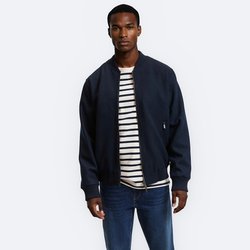
Pair a smart casual blazer with chinos for office lunches. This is one of the clearest examples of a look that feels professional without drifting into full suit territory. A navy or charcoal blazer brings structure, while chinos in stone, olive or deep beige keep the outfit lighter than formal trousers. Add a crisp shirt or fine polo and leather shoes or clean loafers.
The practical advantage here is flexibility. If the lunch turns into an afternoon of meetings, you still look prepared. If the office is more relaxed, the chinos stop the outfit from feeling overdressed. For women, a tailored blazer with tapered trousers or ankle-length trousers works in much the same way. For men, the same rule applies: if the trousers fit well through the seat and thigh, the whole look appears more intentional.
For dinner
Wear smart casual loafers with dark jeans for dinner. This combination is especially useful when the venue asks for effort but not formality. Dark jeans provide the casual base, while loafers lift the finish immediately. Add a button-down shirt, a lightweight blazer or a fine knit depending on the season.
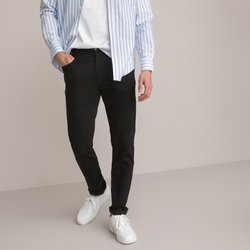
The key detail is the denim itself. Choose jeans in a deep indigo, black or charcoal wash with minimal fading. Heavy distressing, whiskering or loose hems can make the outfit feel too casual. If your dinner plans involve walking across town or sitting outdoors, loafers with a sturdier sole are often more practical than delicate dress shoes.
For client meetings
Choose a smart casual shirt for relaxed client meetings. A good shirt gives you enough polish for professional conversation while keeping the mood open and approachable. Oxford cotton, brushed cotton and subtle stripe patterns all work well here. Worn with tailored trousers, a blazer and simple shoes, the result is tidy and credible without feeling corporate.
This is also where colour can help. White and pale blue remain dependable, but soft sage, muted pink or fine checks can bring personality to your style without distracting from the discussion. If you know you will remove your blazer later, pay extra attention to the shirt fit across the shoulders and collar, because those details will do more of the work.
Build a smart casual wardrobe with reliable pieces
You do not need a huge wardrobe to dress smart casual well. You need a few dependable pieces that combine easily and suit real life. Think in terms of rotation: what can you wear to work, to dinner and at the weekend with only one or two changes?
- A structured blazer in navy, grey or black for layering over shirts, polos or fine knits
- A well-fitted shirt in white, blue or subtle stripes
- Dark jeans with a clean finish and a straight or slim leg
- Tailored trousers or chinos in neutral shades
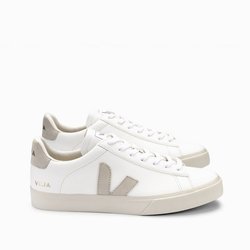
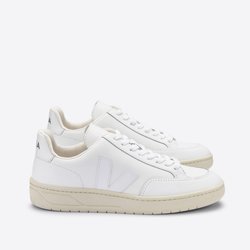
- Loafers, leather trainers or derby shoes depending on the setting
- A knit or polo for days when a full shirt feels too formal
These pieces work because they answer different needs without becoming hard to style. A blazer can sharpen jeans. Dark trousers can dress down with a knit. A shirt can sit under a jacket for business and over chinos for a more casual look. For women, a fluid blouse can replace a classic shirt, and smart flats or heeled loafers can stand in for traditional formal shoes. For men, the same wardrobe logic applies, with an emphasis on clean lines and balanced proportions.
If you are also refreshing other parts of your home and wardrobe, you may notice the same practical mindset across categories, from home decor to accessories & furnishings. The best choices are the ones that fit the way you actually live. The same goes for clothing, whether you are shopping for yourself, browsing kids & baby clothing & shoes, or planning ahead with occasionwear & formalwear for events later in the season.
Care and wearability: keep smart casual looking sharp
A smart casual outfit only stays smart if it wears well. This is where care becomes just as useful as style advice. Fabrics that crease badly, shoes that scuff too easily or blazers that lose shape after one wear can make a once-reliable outfit feel harder to reach for.
Care and wearability start with fabric choice. Cotton shirts are breathable and easy to rotate, but some need quick ironing to keep a clean finish. Wool-blend blazers tend to hold their shape better over the day than very soft jersey jackets. Denim with a small amount of stretch can improve comfort, but too much can affect the line of the jeans after repeated wear.
To keep your smart casual pieces looking ready:
- Hang blazers on shaped hangers to support the shoulders
- Let shoes air between wears and use shoe trees if possible
- Wash shirts according to fabric type and avoid over-drying
- Spot-clean outer layers when suitable to reduce unnecessary washing
- Check hems, buttons and collars regularly before an important outing
The practical result is simple: your outfit feels easier to wear again. That matters on busy mornings, when you want to get dressed quickly and trust that your blazer, shirt and trousers still look right. It is a little like maintaining seasonal details at home, whether you are browsing spring summer tableware styles for hosting or making time for self care & wellbeing habits that help the week run more smoothly. Good maintenance saves time later.
Common smart casual mistakes and how to avoid them
Even strong wardrobes can miss the mark if the balance is off. One common mistake is mixing too many formal pieces at once, such as a sharp blazer, formal shirt, suit trousers and highly polished dress shoes, when the event only calls for a relaxed dinner look. The result can feel too rigid. Another mistake is relying on casual basics that are too worn, too loose or too sporty, which can make the outfit feel unfinished.
Keep the contrast controlled. If you wear jeans, make sure the rest of the look has enough structure. If you choose loafers, check that the trouser length works above them. If you wear a blazer with a polo instead of a shirt, make sure the blazer fit is precise enough to hold the outfit together.
Also pay attention to colour. Smart casual often works best with a grounded palette: navy, grey, white, olive, black, beige and muted seasonal shades. Loud contrasts can be harder to style and easier to tire of. If you want variety, add it through texture: brushed cotton, soft wool, pique, suede or quality denim.
Make smart casual work for your routine
The best smart casual style is the one you can repeat with confidence. That means choosing pieces that fit properly, suit the places you actually go and hold up well between wears. A blazer that works for office lunches, a shirt that carries you through client meetings, and dark jeans with loafers for dinner are not abstract fashion ideas. They are useful combinations that make dressing simpler.
Whether you lean more casual or more smart, the aim is a look that feels comfortable, clear and appropriate. Start with fit, think about use, and check care before you buy. When you do that, smart casual stops feeling vague and starts becoming one of the easiest dress codes to wear well.