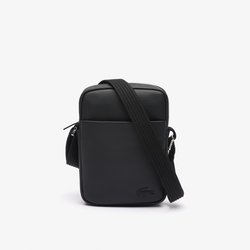
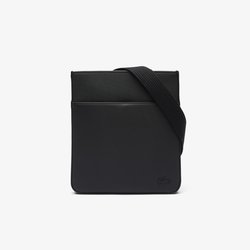
How to choose the right one for daily life
A good shoulder bag earns its place by making everyday movement easier. You put it on in seconds, keep your essentials close, and stay hands-free when you are moving through the day. The right choice comes down to a few practical points: fit, capacity, comfort, and durability. If a bag looks sharp but digs into your shoulder, swings awkwardly when you walk, or cannot hold your phone, wallet, and keys without bulging, it will not get much use.
That is why it helps to think about your routine before you buy. Are you after a compact bag for quick grocery runs? Do you need space to keep makeup, charger, and sunglasses organised for commute days? Or do you want something you can wear hands-free while shopping, travelling, or meeting friends downtown? In men’s accessories, the best choice is usually the one that suits your real day-to-day habits rather than a passing trend.
At La Redoute, we see that men often shop for a bag with one clear aim: carrying daily essentials without the bulk of a large holdall. That makes dimensions, pocket layout, and strap comfort far more useful to compare than appearance alone. A smart everyday carry setup starts with knowing what you actually need to take with you.
Start with size: what do you really need to carry?
Before comparing materials or colours, check the bag sizing. A small shoulder bag can be ideal if you only carry a phone, wallet, keys, and maybe earphones. This kind of compact format works well for a quick trip to the shops, a coffee run, or an evening out when you do not want full pockets. In practical terms, a slim bag with one zipped main compartment and a front pocket often does the job better than a larger design with unused space.
If your day includes more items, move up a size. For example, on commute days you may want room for a charger, sunglasses case, notebook, travel card, and a few personal items. Some men also share space with partners or family, so a bag may end up carrying tissues, snacks, or small extras usually associated with women’s daily items, such as makeup or hand cream. That is not about labels, just about choosing enough capacity for real use.
When checking measurements, think less about general labels like small or medium and more about the shape of your belongings. A tall phone fits differently from a wide wallet. A hard sunglasses case takes up more room than soft pouches. If you carry a tablet, compare the internal width, not just the headline size. A bag can look roomy but still be too narrow for flat items.
- Compact size: best for phone, wallet, keys, cards, and earphones.
- Medium size: useful for charger, sunglasses, notebook, and personal care items.
- Larger shoulder formats: better if you need a tablet, documents, or extra layers.
If you regularly carry more than the basics, it may also be worth comparing shoulder bags with briefcases & satchels or even men's backpacks & rucksacks. A shoulder bag is practical, but if your load gets heavy every day, another shape may suit you better.
How a shoulder bag should fit on the body
Fit changes the whole experience of wearing a bag. A shoulder bag should sit close enough to the body that it does not bounce as you walk, yet low enough that you can reach the zip without twisting awkwardly. For most men, the easiest position is around the upper hip or just above it. That gives fast access on the move and keeps the bag from knocking into your arm.
Adjustable straps matter here. If the strap is too short, the bag can sit high under the arm and feel cramped, especially over a coat. Too long, and the bag swings around when you step off a train or cross a busy street. If you plan to wear it over a jacket in winter and a T-shirt in summer, look for enough adjustment range to handle both.
Cross-body wear often feels more secure than carrying on one shoulder, especially when cycling lightly through town, travelling, or walking through crowded areas. It also helps spread the weight more evenly. If you usually wear the bag for an hour or more at a time, this can make a noticeable difference by the end of the day.
Strap width is another detail worth checking. A narrow strap may look neat, but with a heavier load it can press into the shoulder. A wider strap tends to be more comfortable if you carry chargers, water, or a tablet. Padded sections are useful too, particularly for longer commutes.
Material choices: leather, faux leather, suede and fabric
Material affects both appearance and daily wear. Leather is a common choice for men who want a bag that works with smarter outfits as well as casual ones. It often holds its shape well, which makes it easier to organise smaller items inside. A black leather bag can work with tailoring, denim, and trainers without much effort. A brown leather option brings a slightly more relaxed look and pairs well with neutral coats, boots, and textured knits.
Faux leather can be a practical alternative if you want the look of leather with a different price point and often a lighter feel. It is worth checking how flexible it is. Some faux finishes are soft and easy to wear, while others can feel stiff at first. For everyday use, a slightly grained finish can also hide minor marks better than a very smooth surface.
Suede shoulder bags have a softer, more casual character. They can look excellent with a weekend outfit, especially in earthy tones, but they need more care than smooth leather or synthetic materials. If you plan to use the bag in all weather, suede may be less practical for heavy daily commuting. It can still work well if your use is mostly social: meeting friends downtown, going out for lunch, or wearing it as part of a more styled weekend look.
Fabric and technical materials are often the easiest for active daily use. They are usually lighter, can include useful extra pockets, and suit a sporty or urban style. If you often travel with your bag, wipe-clean surfaces and sturdy zips make a real difference.
Durability: details that matter after the first week
A bag may look good on the product page, but the useful test is how it performs after repeated use. Look at the zip quality, lining, stitching, and hardware. If you open and close the main compartment several times a day, a smooth zip is not just a nice detail; it saves time and avoids frustration when you are paying at the till or reaching for your travel pass.
Check the corners and base too. These areas often show wear first, especially if you place the bag on café floors, train seats, or the car passenger footwell. Reinforced stitching around the strap attachment is another sign of better long-term use. This matters if you tend to carry heavier items such as a power bank, compact camera, or water bottle.
Some men like design details such as a chain strap section, a quilted panel, or a bold print. These can add personality, but think about whether they suit your routine. A chain element can feel heavier and may catch on knitwear. Quilted finishes can mark less visibly in daily use, while printed bags make more of a statement and may not work with every outfit. If you wear mostly plain jackets and trainers, a print can add interest. If your wardrobe already includes patterned shirts or checked outerwear, a simpler bag may be easier to use often.
Matching your shoulder bag to everyday essentials
The best men’s accessory is one that supports your habits without forcing you to reorganise everything. Start by laying out what you carry on a normal day. Phone, wallet, keys, earphones, charger, sunglasses, travel card, hand sanitiser, maybe a notebook. Then think about how often you need each item. The pieces you reach for most should be easy to access without unpacking the whole bag.
A front zip pocket is useful for keys or cards, as long as it is secure enough not to spill when you sit down. Internal slip pockets help keep a phone separate from loose keys, which can prevent screen scratches. If you often carry receipts, coins, or cables, a bag with at least two internal sections will save you from rummaging.
For quick grocery runs, a compact shoulder bag works well when you need to carry phone, wallet, and keys while keeping your hands free for baskets and payment. For commute days, a medium design with room for makeup, charger, and sunglasses keeps small items organised instead of loose in your coat pockets. And if you spend weekends moving between shops, stations, and cafés, a hands-free cross-body fit is far more practical than carrying everything in your hands.
Colour and style: choosing a bag you will actually wear
Colour affects how often a bag leaves the house. Black is usually the easiest option if you want one bag for workdays, weekends, and evenings out. It works with most coats, trainers, and denim, and tends to hide marks well. Brown brings warmth and often suits casual jackets, boots, and autumn layers. If you already wear tan or dark brown shoes regularly, a brown bag can tie the look together neatly.
Other colours can be useful if your wardrobe is mostly neutral and you want one stronger accent. A deep red can add character, though it is more specific and may not suit daily office use. Some men prefer a muted olive, navy, or stone for a more relaxed style. The key is not whether a colour is fashionable, but whether it works with the clothes you already own.
You may also notice trend-led references such as tabby shapes, quilted finishes, or compact camera-bag silhouettes that borrow ideas from fashion bags and even from styling around dresses. That crossover can be useful if you want a softer or more directional look, but for daily use, practicality should still come first. A new trend is only worth following if the bag still fits your essentials and feels comfortable on the move.
When to choose a shoulder bag over other men’s bags
A shoulder bag is a strong option when your load is modest and you want quick access. It suits city days, short commutes, carrying travel documents, and social plans where a larger bag would feel bulky. If you need to carry a laptop, gym kit, or paperwork, you may be better looking at bags & rucksacks for men tommy jeans, bags & rucksacks for men lacoste, or bags & rucksacks for men polo ralph lauren alongside other larger formats.
The point is to match the bag to the task. A small shoulder bag should not be judged against a work bag if your real need is simply to keep valuables close and your pockets clear. In that role, it can be one of the most useful pieces in men’s accessories.
Care tips to keep your bag looking good
Care depends on the material, but a few habits help every bag last longer. Empty out crumbs, receipts, and loose coins every few days so the lining stays clean and the shape does not distort. Do not overload the bag just because there is space. Stretching the strap and stressing the zip are common reasons bags wear out sooner than expected.
For leather, wipe with a soft cloth and use a suitable leather care product from time to time. For faux leather, a damp cloth is often enough for surface marks. For suede, use a suede brush and avoid heavy rain where possible. Fabric bags usually benefit from spot cleaning rather than full soaking, especially if they have structured panels or coated finishes.
If your bag has metal hardware, dry it after wet weather to help prevent dulling. And when you are not using the bag for a while, store it upright or lightly filled so it keeps its shape. These small steps make a practical difference, especially with bags you wear several times a week.
What makes a shoulder bag a good buy?
A good shoulder bag is not just about what is currently selling or what looks sharp in one outfit photo. It should fit your frame, hold your daily essentials, feel comfortable after a full day out, and stand up to regular use. If you compare dimensions, strap adjustability, pocket layout, and material with your routine in mind, you are far more likely to choose a bag that works from the first wear.
Whether you prefer black leather, brown suede, a quilted finish, or a clean faux design, the right choice is the one that supports your day without getting in the way. When your phone, wallet, charger, keys, and sunglasses all have a clear place, your bag becomes less of an accessory and more of a reliable part of how you move through the week.