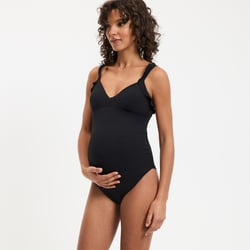
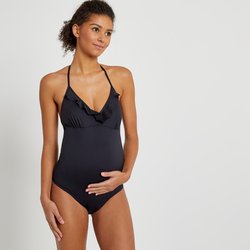
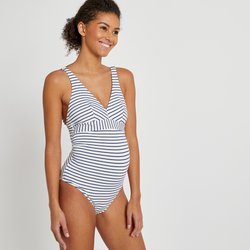
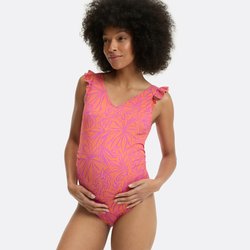
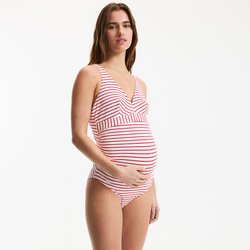
Find the right maternity fit for supportive swimwear
When you are pregnant, a day at the pool or a walk along the beach can feel wonderful, but only if your maternity swimwear fits properly. A standard swimsuit that once felt secure may start to dig into your shoulders, flatten your bust or sit awkwardly across your bump. Choosing the right maternity piece is less about trends and more about everyday comfort: support where you need it, stretch where your body changes, and enough coverage to help you move with confidence.
The best maternity swimwear works with your shape through every stage of pregnancy. In the early months, you may mainly notice a fuller bust and a more sensitive ribcage. Later on, your bump becomes the main fit point, and the cut of the swimsuit matters far more than simply going up a size. Whether you plan comfortable pool laps during pregnancy with supportive maternity swimwear or prefer beach walking while pregnant, staying covered and flexible in swimwear, the fit details will determine how good it feels after ten minutes, not just in the changing room.
If you are already planning your wider wardrobe, you may have noticed that the same rule applies to everyday dressing. Items such as maternity jeans, maternity trousers and leggings are designed to adapt where your body changes most, rather than simply adding extra width all over. Swimwear follows exactly the same principle.
Why supportive maternity swimwear makes such a difference
Support matters because pregnancy changes the way weight is distributed across your body. Your bust may feel heavier, your lower back can become more sensitive, and your skin may feel tighter around the bump. A well-cut maternity swimsuit helps spread that pressure more evenly. Instead of leaving the straps to take all the strain, a good design uses shaping through the bust, side ruching, soft linings and flexible seams.
For example, if you attend water aerobics classes, stretching safely in maternity swimwear, you need a suit that stays in place when you lift your arms, bend your knees or twist gently in the water. A loose standard costume may shift at the neckline or ride up at the leg. A supportive maternity style is designed to reduce that problem, so you can focus on movement rather than adjusting your swimsuit every few minutes.
At La Redoute, we focus on styles that help you wear your pregnancy comfortably, with options that balance support, softness and room for a growing bump. That means you can shop with a clearer idea of what will feel genuinely useful in real life, whether you are swimming lengths, sitting by the pool with your baby on the way, or packing for a seaside break.
What to look for in a maternity swimsuit
Not every maternity swimsuit offers the same level of support. Some are best for light paddling and sunbathing, while others are better suited to active swimming. Before you buy, think about how you will actually use it. If you swim once a week for exercise, your needs are different from those of someone looking for a holiday bikini for occasional dips.
- Bust support: Look for built-in cups, an underband, adjustable straps or a structured top section. These features can help if your bust feels heavier during pregnancy.
- Bump-friendly sizing: Side ruching, gathered seams or extra stretch through the front panel allow the suit to grow with your shape.
- Secure coverage: A higher neckline, full back and well-cut leg opening can make movement feel easier, especially during pool sessions.
- Soft lining: This can help reduce rubbing against sensitive skin or a stretched tummy.
- Adjustable details: Tie straps, clip backs or removable cups let you adapt the fit as your body changes.
If you prefer a bikini, support is still possible. A maternity bikini often includes a fuller bust shape and a higher or fold-over brief that sits comfortably under or over the bump. This can be especially useful late in pregnancy, when some women prefer less pressure across the middle. If you plan to alternate between swimming and relaxing on holiday, a bikini can also make changing easier.
How maternity-specific fit differs from sizing up
One of the most common shopping mistakes is choosing a larger standard swimsuit instead of a maternity one. Going up a size may give you extra width, but it usually does not add length through the body or shape through the front. That creates problems quickly: the straps may slip, the bust area may feel too loose, and the fabric may still pull tightly over the bump.
Maternity-specific fit is cut longer through the front and often includes stretch panels or ruching placed exactly where your bump grows. This means the suit can sit smoothly rather than dragging down at the neckline or cutting in at the leg. In practical terms, if you are walking on the beach, bending to pick up a towel, or climbing pool steps, the swimsuit stays more stable.
This is similar to the difference you see between standard trousers and maternity trousers. A bigger regular pair may fit your hips, but not your waist. The same logic applies when comparing ordinary tops with maternity t-shirts or flexible layers such as camis & polo shirts designed for changing proportions.
Choosing the right silhouette for your needs
The best silhouette depends on where you want support and how active you plan to be. There is no single answer for every pregnant woman, so it helps to match the style to your routine.
One-piece maternity swimsuit
A one-piece is often the first choice for pool use because it offers reliable coverage and a secure feel. If you swim lengths or join an aqua class, this shape usually stays in place best. Look for wide straps, a supportive bust panel and room through the front. A darker colour can feel streamlined, while brighter colours or printed side panels can draw the eye and create shape.
Maternity tankini
A tankini gives you the convenience of a two-piece with more midsection coverage. This can be handy if you want easier bathroom breaks or prefer less fabric tension across the bump. It also suits beach holidays where you switch between swimming and lounging. For support, check that the top has proper bust structure rather than behaving like a loose vest.
Maternity bikini
A bikini can be a very practical choice, especially in warm weather. If your skin feels sensitive or you dislike pressure over your tummy, a maternity bikini may feel more flexible than a one-piece. For beach walking while pregnant, pair it with one of your lightweight dresses or a shirt for an easy cover-up between swims.
How to judge comfort in the changing room
Trying on swimwear when pregnant is not only about whether it fastens. You also need to test how it behaves when you move, because that is what will matter at the pool or seaside. When you try on a swimsuit, do a few simple checks:
- Lift your arms above your head to see whether the bust stays in place.
- Sit down to check whether the front panel still feels comfortable over your bump.
- Turn sideways and bend slightly, as if picking up a towel or bag.
- Check the straps after a minute or two; if they already dig in, they may become uncomfortable in the water.
- Notice the leg line. If it pinches when dry, it may feel worse after a swim.
A good maternity swimsuit should feel secure without feeling restrictive. You should not need to keep tugging the front down or pulling the back up. If you do, try a different silhouette or a size that more closely matches your current bust and hip measurements.
Buying for different stages of pregnancy
If you are shopping early in pregnancy, it can be tempting to buy a style with lots of room “just in case”. In reality, too much spare fabric can reduce support. It is usually better to choose your current size in maternity swimwear, because the stretch and cut are intended to accommodate growth. Check the brand size guide and prioritise your bust and hip measurements, as these often give the clearest starting point.
In the second and third trimester, your bump becomes more prominent and your ribcage may expand. This is where adjustable straps and flexible bust support become especially useful. If you are close to your due date and buying for a holiday, think about what will still feel comfortable after a full day out, not just for a short swim. A suit that feels slightly firm in the changing room may feel tiring after an hour at the beach.
You may already apply this thinking to the rest of your wardrobe, mixing practical pieces like dungarees & playsuits with stretch basics and everyday layers. Many women also build a small, useful collection instead of buying too much at once. The same works well for maternity swimwear: one supportive piece for active use and one lighter option for holidays can be enough.
Styling maternity swimwear for real life
Support and comfort come first, but style still matters. The right swimwear can help you feel more like yourself during pregnancy, especially if your body is changing quickly. Some women love classic black for a neat, sporty look. Others prefer cheerful colours, tropical prints or textured fabrics that bring variety to their holiday bag.
You can also think about what you will wear over the swimsuit. A soft shirt, one of your easy dresses, or even a relaxed overshirt can make beach dressing simpler. If you are packing for a weekend away, coordinate your swimwear with pieces you already own, such as maternity clothes La Redoute Collections for practical holiday staples, or even separate daywear from maternity clothes La Petite Etoile if you like a more styled look after the pool.
If you are preparing for later pregnancy and beyond, you may also want to consider whether your swimwear works for nursing needs. Some designs with clip straps, wrap fronts or easy-pull necklines can be useful after the baby arrives, particularly for spa breaks or postnatal swimming. That does not mean every pregnant shopper needs a nursing swimsuit, but it can be worth considering if you want longer wear from one piece.
What you need to know before buying
Do I need special swimsuits for maternity?
In many cases, yes, a special maternity swimsuit is worth buying if you plan to swim, attend classes, or spend regular time at the beach during pregnancy. The main reason is fit. A maternity swimsuit is designed with extra length and stretch through the front, along with details that help support your bust and accommodate a growing bump. A standard swimsuit, even if you size up, usually becomes tight in the torso before it feels comfortable everywhere else. That can lead to shoulder strain, a neckline that pulls, or fabric that presses awkwardly across your tummy.
The difference becomes clear in use. During pool laps, a regular costume may ride up or feel as though it is pulling down from the shoulders. In a water aerobics class, it may shift when you lift your arms or stretch. On a beach walk, you may notice that the leg openings or bust line need constant adjustment. A maternity design is intended to avoid those practical issues.
Here are the main signs that a special maternity swimsuit will help you:
- Your current swimsuit feels shorter in the body.
- Your bust needs more support than before pregnancy.
- Your bump is starting to affect how the front panel sits.
- You want to swim regularly without discomfort.
One pitfall to avoid is buying a very cheap standard suit as a temporary fix and then replacing it a few weeks later because it no longer fits. If you are around the middle of pregnancy and expect to keep swimming, a maternity piece often gives better value simply because you can wear it more comfortably for longer. A practical example: if you swim every Tuesday and Friday for back relief, a supportive maternity swimsuit with wide straps and front ruching will usually feel far more secure by the second or third session than a larger non-maternity style.
Is it better to buy maternity clothes or just bigger sizes?
For most pregnant women, maternity clothes are usually the better choice because they are shaped for body changes rather than simply made wider. Bigger sizes can work occasionally in loose items, but they often create an uneven fit. A larger standard top may become baggy at the shoulders while still not sitting well over your bump. Bigger trousers may slip at the waist, and a larger swimsuit may feel loose in the bust but still too short in the body.
Maternity clothes are designed to solve those problems. The extra fabric is placed where you need it, and the cut is adjusted so garments sit more comfortably during pregnancy. This is true across many categories, from maternity jeans and maternity t-shirts to swimwear and everyday basics. If you are building a practical wardrobe, it often makes more sense to buy a few well-fitting maternity pieces than several larger standard items that never feel quite right.
A useful way to decide is to think garment by garment:
- Choose maternity for fitted items such as swimwear, jeans and trousers.
- Consider bigger sizes only for very loose layers, if the shape still works.
- Prioritise maternity cuts when support or bump room matters.
- Check whether the item may also be useful after birth, especially if nursing access helps.
A common mistake is assuming bigger sizes will “last longer”. In practice, they can become inconvenient sooner because the proportions are wrong. For example, a larger standard pair of leggings might stretch enough at first, but the waistband may roll or sit uncomfortably as your bump grows. A maternity version is more likely to stay in place. The same applies to swimwear: a proper maternity swimsuit supports your changing shape, rather than asking you to compromise on comfort every time you wear it. If you are shopping for a holiday, that practical difference can determine whether you enjoy being in the water or spend the day adjusting your outfit.