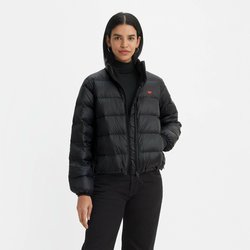
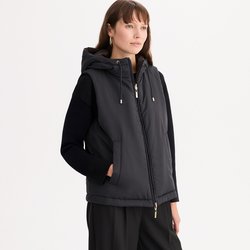
Warmth that works for real life
When winter starts to bite, the first thing you usually want from a jacket is simple: reliable warmth without awkward bulk. That is why so many women reach for a puffer, padded or quilted style before anything else. The right design helps you stay comfortable on a cold commute, while running errands across town, or when you are stuck outside for ten minutes longer than expected at the school gate. A good winter jacket should be easy to wear, easy to layer and easy to live with from morning to evening.
At La Redoute, we believe the best winter jackets start with how they fit into everyday life. If you are layering over sweaters for chilly morning school drop-offs, you need enough room through the shoulders and sleeves so your knitwear does not bunch. If you are heading out for windy weekend walks in a quilted puffer, you need coverage at the neck, dependable insulation and a shape that does not leave your lower back exposed every time you sit down or reach for your bag.
Style matters too, but practicality comes first. The best jacket for you depends on how much warmth you need, how much you usually layer underneath, and whether you prefer a short padded shape for ease of movement or a longer coat for extra coverage. Once those points are clear, choosing between different colours, quilting patterns and finishes becomes much easier.
Start with warmth: what really makes a winter jacket comfortable
If warmth is your top priority, look closely at the level of padding and the overall construction of the jacket. A lightly insulated jacket can be enough for mild winter days, quick car journeys or a short walk to the station. For longer periods outdoors, a fuller puffer with deeper padding usually traps heat more effectively and feels more protective when the wind picks up.
The outer shape matters too. A padded style with stitched channels helps keep the filling evenly distributed, so you are less likely to get cold patches after repeated wear. A quilted jacket often feels lighter, which many women prefer for everyday movement, especially if they are carrying shopping bags, pushing a buggy or walking briskly to work.
Pay attention to the collar height and fastening. A high collar can make a real difference on cold mornings because it shields the neck without always needing a scarf. If you often wait for buses or walk through exposed streets, a zip that closes fully to the top is more practical than a wide, open neckline. Cuffs also affect warmth more than many shoppers expect. Elasticated or close-fitting cuffs help stop cold air from moving up the sleeves.
Think about your routine. A short quilted jacket may be enough if your day is mostly indoors with only brief trips outside. But if you regularly spend twenty minutes walking between nursery, train platform and office, a more generously padded puffer coat will probably serve you better.
Fit comes next: enough room to layer, without losing shape
Once you know how much warmth you need, fit becomes the next big decision. Winter jackets rarely work well if they only fit over a T-shirt. In real life, you are likely to wear them over a jumper, a cardigan or even a blazer. That is why a layering-friendly fit should always be part of your choice.
A useful test is to picture your thickest winter outfit. If you often wear chunky knitwear, choose a jacket with enough ease across the chest, upper arms and back. You should be able to zip it up comfortably without the fabric pulling or the padding flattening too much. If the sleeves feel tight over a wool jumper when you try it on, they will feel even more restrictive over the course of a full day out.
At the same time, going too large can make a puffer less effective. Excess empty space inside the jacket can let cold air circulate, and an oversized shape can feel cumbersome when you are carrying a backpack or moving through crowded transport. The aim is a fit that allows for layers while still sitting close enough to keep warmth in.
For smart-casual dressing, some women wear a padded jacket over a cord blazer on cold, dry days. In that case, check the shoulder width carefully. A jacket that works over soft knitwear may still feel too narrow over tailored layers. If you switch between office looks and casual weekend outfits, a slightly straighter cut often offers the most flexibility.
Short, mid-length or long: picking the right coverage
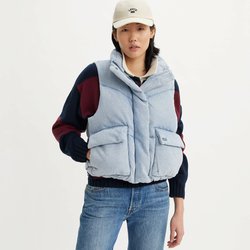
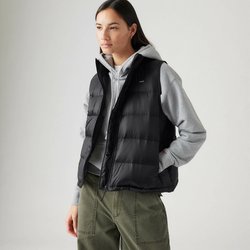
Length changes how a winter jacket feels throughout the day. A shorter padded jacket is often the easiest option if you drive, cycle gently, or want freedom of movement in a busy routine. It tends to sit neatly with jeans, wide-leg trousers and knit dresses, and it is easy to wear for a cold commute or errands when you expect to move between indoors and outdoors several times.
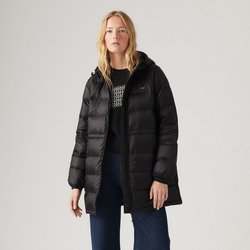
Mid-length styles are a strong all-round choice. They usually cover the hips, which can make a noticeable difference in windy weather, yet they still feel practical for everyday walking. If you are carrying children, lifting shopping or climbing stairs often, this length can strike a very workable balance between warmth and mobility.
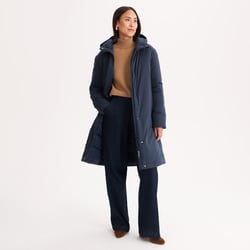
Longer styles provide the most coverage. If your priority is protection on icy mornings or exposed walks, a longer puffer coat can be a very sensible choice. It helps keep the lower body warmer, especially over dresses or slimmer trousers, and it reduces that cold gap you feel when a shorter jacket rides up as you sit down. Women who spend time outdoors on football sidelines, station platforms or weekend walks often appreciate this extra length.
Consider where the hem will sit when you move. A coat that looks fine standing still can feel awkward if it catches at the knees while you are walking quickly. If you are often on the go, check for side poppers, a two-way zip or a cut that allows a longer stride.
Quilted, padded or puffer: what is the difference in everyday wear?
These terms are closely related, but they can point to slightly different experiences when worn. A puffer usually has a fuller, more rounded look, with visible volume that suggests stronger insulation. It is often the first choice when your main aim is maximum warmth. A padded jacket can cover many styles, from lighter transitional pieces to more substantial winter layers. A quilted jacket often features stitched detailing that creates a flatter profile, which some women prefer if they want warmth with less visual bulk.
In practical terms, your choice depends on how and where you will wear it:
- Puffer styles are often best for colder temperatures and longer periods outdoors.
- Quilted jackets can feel lighter and easier for layering under or over other pieces.
- Padded jackets cover a wide range of options, from compact commuter styles to relaxed weekend shapes.
If you already own a trench or a women's mac, a quilted or padded jacket can add a more casual cold-weather option to your wardrobe. If your wardrobe needs one main winter piece, a warmer puffer may be the better investment because it will carry you through more of the season.
Colours, details and everyday styling
Practical winterwear does not have to be dull. The best colours for your jacket depend on how often you plan to wear it and what is already in your wardrobe. Black remains popular because it works with nearly everything and tends to look neat even after repeated use on commutes. Brown can feel softer and warmer with cream knitwear, denim and tan boots. Green is a strong option if you want something versatile but less expected than black.
Details also shape how a jacket works day to day. A detachable hood can be useful if your week shifts between city commuting and weekend walks. A stand collar helps on windy days. Deep pockets matter if you want to keep gloves, keys and a travel card close at hand. If you wear cross-body bags, look for a jacket that does not feel too slippery or too bulky under the strap.
Our selection spans many women's coats & jackets, so you can compare lighter quilted jackets with more heavily insulated winter coats depending on your routine.
What to check before you buy
Before adding a jacket to your basket, it helps to run through a few simple checks. This can save you from choosing a style that looks good online but does not feel right in daily wear.
- Think about your coldest regular activity: school run, train commute, dog walk or weekend market trip.
- Check whether you need room for thick jumpers or only lighter layers.
- Look at the collar, cuffs and zip closure for wind protection.
- Decide whether hip, thigh or knee coverage suits your lifestyle best.
- Review care instructions so maintenance fits your routine.
- Compare the price with how often you expect to wear it through the season.
If you shop across brands or within an international size range, always check measurements rather than relying only on your usual size. Some jackets are cut slim for a close silhouette, while others are designed for relaxed layering. This matters particularly with padded pieces, where the outer volume can make a jacket look roomy even when the inside fit is quite neat.
Care and maintenance: keeping your jacket comfortable all season
A winter jacket usually gets a lot of wear, so care matters almost as much as fit. If you want your puffer or quilted style to stay warm and comfortable, check the washing guidance before you buy. Some jackets are machine washable, which is especially useful if you wear them daily on public transport or during school drop-offs, where cuffs and pockets can quickly pick up marks.
For many women, easy care is not a small detail but a deciding factor. A pale padded jacket may look lovely, but if you know you often carry coffee cups, pack snacks into pockets or lean against train doors, a darker shade such as black, brown or deep green might be the more practical option. The same goes for finishes: smooth fabrics can be easier to wipe clean than textured ones.
Storage matters too. Hanging your jacket properly helps it keep its shape, while compressing it tightly for long periods can flatten the padding. If you need a piece for travel, choose one that packs down reasonably well but still regains its loft after unpacking. This is particularly useful when packing a padded jacket for a cold-weather trip, when you need something warm but manageable.
For lighter winter dressing when the weather first starts to turn, a short padded jacket can be a practical option, especially if you want something easy to layer and easy to wear day to day.
Finding the jacket that suits your winter routine
The best puffer, padded or quilted jacket is the one that suits the way you actually live. If your mornings involve layering over sweaters for chilly school drop-offs, focus on sleeve room, a secure collar and quick fastenings. If your weekends often include long, exposed walks, put warmth and length higher on your list. If your weekdays revolve around trains, buses and office heating, think about a jacket that is warm outdoors but still comfortable to wear and carry indoors.
That is why many women keep more than one option in rotation: a lighter quilted jacket for milder days and a more insulated puffer for the coldest weather. Whether you prefer short jackets or longer coats, the most useful choice is the one that gives you steady warmth, practical coverage and enough freedom to move comfortably through the day.
At La Redoute, we know winter dressing works best when fit and function come first. Once you have those in place, the style details become much easier to enjoy.