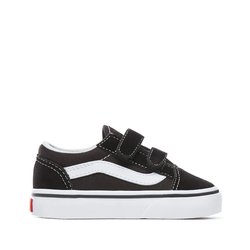
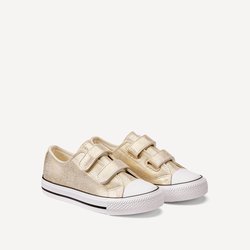
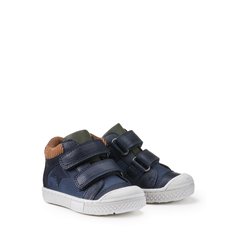
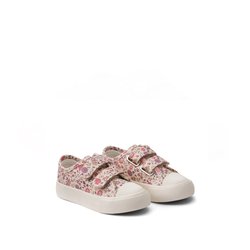
Skip laces, keep feet secure
When you are getting everyone out of the door, tying and retying laces can slow things down. Velcro trainers offer a straightforward alternative: open the straps, slide the foot inside and fasten to a comfortable fit. For children learning to dress themselves, that simple sequence makes school mornings easier. For adults who find fiddly knots uncomfortable, it removes a task without giving up an adjustable fastening.
At La Redoute, we suggest starting with how you will use your trainers: the school run, everyday walks, errands or getting little ones ready for nursery. The right choice needs more than an easy closure. Look at the fastening, fit, cushioning and sole together, so your shoes stay comfortable through the activities you have planned.
Start with a fastening you can adjust easily
How hook-and-loop fastening holds the foot
Velcro is a familiar name for hook-and-loop fastening. One surface has tiny hooks that catch in the softer loops on the opposite surface when you press them together. To open the shoe, you peel the surfaces apart. Unlike laces, there is no knot to learn or loose end to tuck away before heading outside.
The useful detail is how much of the fastening overlaps once the shoe is on. The strap should close with a generous area of contact, rather than catching only at its tip. If it barely reaches, the shoe may be too narrow or too shallow over the top of the foot. If it pulls far beyond the fastening patch, the fit may be too roomy. Neither problem is best solved by pulling harder.
A single broad strap can be simple for small hands to manage. Two or three straps allow separate adjustments along the top of the foot. Before choosing, check whether the opening spreads far enough for you or your child to put the trainers on without forcing the heel down.
Make independent dressing easier
Children can practise fastening Velcro trainers independently before rushing out for school. Start while seated: loosen every strap, lift the tongue, slide the foot in and settle the heel at the back. Then smooth each strap across its fastening patch. A quick adult check helps younger kids learn the difference between a strap that looks closed and one that is fully attached.
For boys and girls who are still learning left from right, placing the shoes side by side before putting them on can help. Encourage children to open the fastening properly each time rather than pushing their feet into closed shoes. This avoids crushing the heel counter and makes it easier to settle the foot in the right position.
Check the fit before choosing the colour
Measure length, width and room over the foot
A familiar size is a starting point, not a guarantee. Measure both feet and use the size guide for the particular product, as measurements can differ between brands. Try trainers with the socks you expect to wear, ideally later in the day when feet may be slightly fuller. Fit the larger foot, and follow the brand's guidance on toe allowance, especially for growing children.
An adjustable fastening does not make every trainer suitable for wide feet. The foot still needs enough space across the sole and inside the upper. Toes should not feel squeezed together, and the sides of the shoe should not bulge noticeably. Equally, tightening a strap cannot reliably correct a shoe that is much too long or too broad.
- Check that toes can move without pressing against the front or top of the shoe.
- Make sure the heel stays reasonably settled during a short walk.
- Look for pressure across the top of the foot when the straps are closed.
- Check that each fastening lies flat, with enough overlap to hold securely.
- Try both shoes, then walk, turn and sit down before deciding.
Use the straps for small adjustments
Adjustable Velcro closures can secure trainers comfortably during everyday walks and errands. You might loosen them slightly after sitting on a warm bus, then check the fit again before walking home with shopping bags. The aim is a secure hold without pinching, tingling or deep pressure marks.
For women and men who prefer extra room across the forefoot, check for a stated wide fit rather than relying on the fastening alone. When browsing men's trainers, look at the opening as well as the listed width: a shoe can have enough space inside but still be awkward to put on if the tongue barely moves. If you wear prescribed insoles, check whether the original footbed is removable and whether sufficient depth remains after fitting your own.
Choose comfort for the way you move
Balance cushioning, flexibility and weight
Comfort depends on several parts working together. A padded collar can reduce rubbing around the ankle, while a smooth lining helps avoid irritation during repeated steps. A lightweight design may feel less tiring when you are walking between shops, but low weight alone does not tell you whether a shoe fits well or offers enough cushioning.
Look for a sole that bends near the ball of the foot rather than folding loosely through the middle. Check the tread too: shallow, worn or unsuitable soles can be less dependable on wet paths. Choose footwear for the activity, not just the fastening. Casual trainers may suit the school run and a walk to the library, but regular running calls for footwear designed for that purpose.
The same applies to organised sport. Everyday trainers are not a substitute for football boots on a pitch where studs and sport-specific support are needed. Check school or club guidance before buying shoes for PE, training or matches, as requirements vary by activity and surface.
Compare materials with your routine in mind
Leather uppers can be practical if you want a surface that can often be wiped after a pavement splash, although you should always follow the product's care instructions. Textile panels may offer a softer feel or extra ventilation, depending on their construction. Check seams and overlays around the toes if you know that area is sensitive.
When you shop online, view the close-up images of the fastening, lining and sole rather than judging from the side profile alone. Whether a product is labelled trainers or sneakers, check the description for the features you need. A sporty appearance does not automatically mean a shoe is intended for running or intensive exercise.
Make everyday choices work with school and weekend plans
School mornings and playground changes
For school, check the uniform policy before choosing colours, logos or contrasting soles. If you are comparing kids' black trainers, look beyond colour to the fastening overlap, toe room and ease of opening. A dark upper may suit the dress code, but the shoe still needs to stay comfortably in place when your child walks between classrooms.
After a playground visit, quick-release straps help toddlers remove muddy Velcro trainers while seated by the door. Open them fully and support the heel as the foot comes out, rather than tugging on the toe. Keeping a washable mat nearby gives muddy soles somewhere to rest before cleaning, instead of carrying dirt through the hallway.
Colours and patterns without losing practical details
Once the fit is right, let personal preference guide the finish. If you are browsing girls' leopard print styles, check that decorative panels do not obscure the fastening or make the straps difficult to grip. Patterned trainers can work with plain leggings or jeans, giving children an easy outfit choice for weekend outings.
When comparing leopard print shoes, use the same fit checks you would for a plain pair. If Converse styles for kids are also on your shortlist, check the individual design carefully: some have laces, while others use alternative closures. Choose the fastening your child can actually manage, rather than assuming every shoe from one brand opens in the same way.
Keep the fastening clean and working well
Remove trapped fluff before it builds up
Hook-and-loop patches can collect lint, hair and small pieces of grass. These sit between the two surfaces and reduce the area that can grip. Open the straps and inspect them regularly, particularly after playground visits or walks through grassy areas. Gently lift away loose debris with your fingers or use a soft, dry brush, taking care not to pull at the stitching.
Press the full fastening area together after every adjustment. Simply laying the strap across the shoe may leave sections unattached. If a fastening repeatedly peels open despite being clean and correctly aligned, inspect it for wear and check whether the shoe still fits. A strap that only just reaches needs a fit assessment, not repeated tightening.
Clean and dry according to the care label
Brush off dried mud before wiping the upper with a damp cloth, provided the care instructions allow it. Use a cleaner suitable for the material, and avoid soaking the fastening unnecessarily. Do not assume trainers are machine washable: heat, detergent and prolonged soaking can affect adhesives, finishes and the shape of some shoes.
After cleaning, let footwear dry naturally away from radiators and direct heat. Open the straps and tongue to help air reach inside. Before the next wear, check that the lining is dry and the fastening surfaces are clear. These small checks make it easier to spot a worn sole, damaged strap or outgrown fit before you leave home.
The best Velcro trainers for your routine are the ones that open easily, fit securely and suit the day ahead. Start with measurements, test the fastening and take a short walk in both shoes. Once those checks are covered, you can choose a colour you enjoy and get on with the school run, errands or a relaxed weekend walk.