Short-sleeve tees for hot days
Staying comfortable on hot days starts with the layer you wear closest to your skin. A short-sleeve T-shirt should give you room to move, let air circulate and wash easily after a busy day outside. Whether you are walking to work, packing for a holiday or getting lunch ready in the garden, fabric and fit make a practical difference. At La Redoute, we recommend starting your summer wardrobe with tees you can wear with several pairs of trousers and shorts, rather than buying a separate outfit for every occasion.
Focus on three things when choosing men's summer T-shirts: the fabric composition, how the tee sits across your shoulders and chest, and the care instructions. Get those details right and you can dress for warm mornings without needing to change as soon as the temperature rises.
Choose fabric for the way you spend your summer
Cotton for everyday wear
Cotton is a useful starting point for everyday men's T-shirts because it feels soft against the skin and absorbs moisture. For a short walk to the shops or a morning spent working at home, a lightweight cotton jersey can feel less bulky than a thick, structured tee. However, cotton can stay damp after heavy sweating, so consider your activity as well as the temperature. A long, brisk walk in humid weather calls for different clothing from a shaded lunch outdoors.
Check the fabric composition rather than judging by appearance alone. Two white tees can look similar on a screen but feel different because of their weight, knit and fibre blend. If you prefer cotton tops with a little stretch, look for a small proportion of elastane in the composition. This can help the fabric move with you when you reach for an overhead train handle or carry shopping bags.
Linen blends and lightweight alternatives
A tee containing linen may have a more textured surface than smooth cotton jersey. Look at the product photographs closely if you prefer an even finish, and check whether the knit appears sheer. Lightweight fabric can be comfortable in warm weather, but it does not automatically provide the coverage you want. For pale shades, assess the tee in daylight before removing the labels, following the retailer's returns conditions.
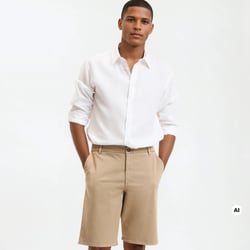
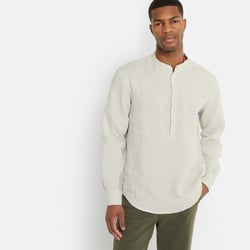
On especially hot afternoons, a loose linen shirt is another useful option for errands, particularly if you want sleeves you can roll up and a neckline you can adjust. Wear it open over a thin tee when you need an extra layer indoors, then remove that layer outside if you feel too warm. Avoid combining two substantial fabrics when you will be walking between shops in direct sun.
Find a short-sleeve tee fit that leaves room to move
Check the shoulders, chest and sleeves
A comfortable summer fit should not pull across your chest or underarms. For a conventional set-in sleeve, the shoulder seam usually sits close to the edge of your shoulder. A dropped seam creates a looser shape, so check the description before assuming the size is wrong. Raise your arms and reach forwards when trying a tee on: if the neckline drags or the fabric tightens sharply across your back, try a different cut.
Sleeve width matters too. A close sleeve can feel restrictive around the upper arm, especially when you are carrying a backpack. A slightly wider opening allows more space, although an oversized sleeve may bunch underneath a shirt. For everyday wear, look for a short sleeve that sits comfortably around the middle of your upper arm without digging in.
Use measurements, not just size labels
Compare the size guide with a T-shirt you already enjoy wearing. Lay it flat, measure across the chest and check the length from shoulder to hem, following the guide's measuring method. This is particularly helpful when browsing men's 3XL T-shirts, as a larger size label alone does not tell you whether the body is longer, wider or both. Look for available garment measurements and fit notes before choosing.
- For wearing untucked: choose a hem that covers your waistband without hanging so low that it bunches when you sit.
- For layering under an open shirt: keep enough room through the chest without adding bulky folds around your waist.
- For a relaxed shape: choose a deliberately roomy cut rather than automatically going up several sizes.
- For sitting, driving or cycling: check that the hem still gives you comfortable coverage when you lean forwards.
Build simple outfits around your summer tees
Use colours that work with your existing clothes
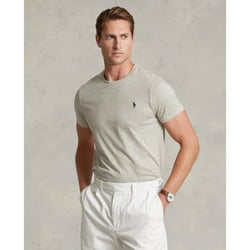
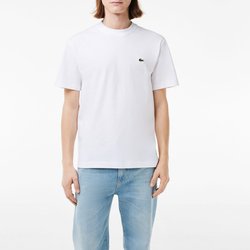
Start with the shorts and trousers you wear most often. A white tee works with navy shorts for a seaside walk, while a black tee can be useful for an evening meal with stone-coloured chinos. Dark fabric may feel hotter in direct sunlight, depending on the fabric and conditions, so consider where you will spend the day rather than choosing by colour alone.
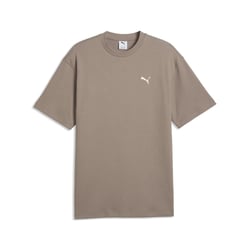
If you are browsing men's brown T-shirts, compare warm chocolate shades with the beige, blue or cream bottoms you already own. A men's khaki t-shirt is another practical choice with dark denim shorts or light stone trousers. Keeping two or three compatible colours in rotation means you can pack fewer pieces for a weekend away without repeating exactly the same outfit.
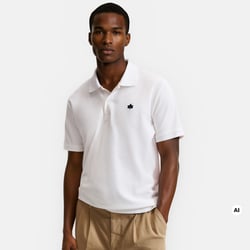
A small chest print can add interest without limiting your outfit choices. Check the placement of a larger design if you often wear an open shirt, as the front panels may hide part of it. Printed areas can also feel different from the surrounding fabric, particularly when the design covers much of the chest.
Adjust the outfit to the occasion
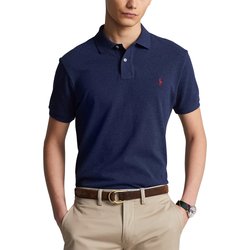
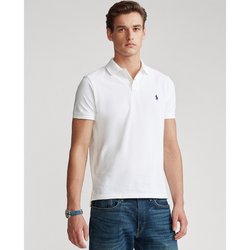
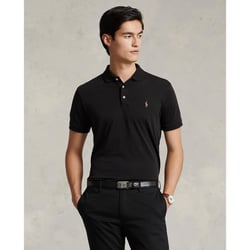
For a relaxed weekend barbecue, pair cotton shorts with a polo if you prefer a collar, or choose a plain tee when the gathering is informal. Leave enough room through the waist for sitting at a garden table, and choose footwear suitable for standing on grass. A spare top can be useful if you are cooking over the grill and want to change before eating.
For summer office commutes, lightweight chinos and short-sleeve shirts offer a more structured alternative where the dress code requires it. In a casual workplace, a plain tee may be suitable beneath an open shirt, but check your office expectations first. Keep an extra layer for strong indoor air conditioning, rather than choosing a heavy T-shirt that feels uncomfortable during the journey.
Make easy care part of your buying decision
Read the label before the first wash
A summer tee may need frequent washing, so check its care requirements before adding it to your regular rotation. Follow the stated washing temperature and drying instructions, particularly for blends containing linen or stretch fibres. Do not assume that every cotton garment can go into a tumble dryer: the finished garment's care label takes priority.
Wash similar colours together and check stain treatments on a discreet area first. Turn printed tees inside out if the care instructions recommend it, and avoid ironing directly over a design. Treat food marks promptly according to the label rather than leaving them in the holiday laundry bag for several days. After washing, gently reshape the tee and use the recommended drying method.
Plan a manageable rotation
For a week away, count how often you expect to change and whether you will have access to laundry facilities. Five tees may cover several quieter days with washing available, while active days in humid weather may mean you need more. Pack one clean top where you can reach it easily after travelling, instead of placing every spare at the bottom of your case.
When you shop during a sale, apply the same checks you would at any other time: composition, measurements, care and the clothes you will wear with it. A lower price is only useful if the tee suits your routine. Before ordering several, check the available sizes and individual product details, since different cuts within the same brand can sit differently.
Choose breathable-feeling fabric, allow comfortable movement through the shoulders and keep care straightforward. With those checks in mind, your short-sleeve tees can cover everything from morning errands to a casual evening outside, without adding unnecessary decisions to a hot day.