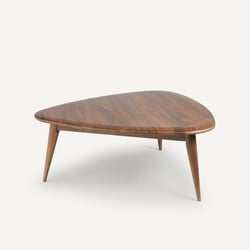
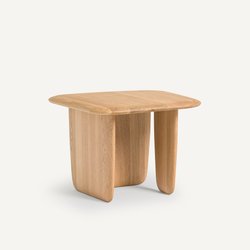
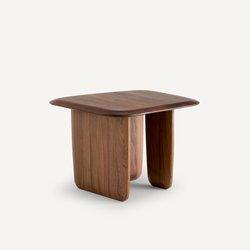
Make room for everyday use
A small table earns its place when you can put down your drink without blocking the route to the sofa. In a compact living room, that means looking beyond the tabletop: its width, height, base and position all affect how comfortably you move. Before choosing a finish, think about your usual evening. You might set a mug and remote on its tabletop during evening television, keep a book within reach or pull the table closer when friends visit.
At La Redoute, we encourage you to compare dimensions alongside the way you use your seating, so you can narrow down your options with a clear purpose. A compact coffee table should leave space for your feet, let you reach everyday items and work with the furniture already in your home. Start with those jobs, then consider colour, material and storage.
Measure the space you actually have
Mark out the footprint before you buy
A table can look small in a product photograph yet feel surprisingly wide between your sofa and television unit. Measure the available floor area, including the route through the room. Then use masking tape or sheets of paper to mark the proposed tabletop outline. Leave it in place while you sit down, get up and walk past carrying a laundry basket. This gives you a more useful view of the fit than measuring an empty patch of floor alone.
As a starting point, allow around 40-45 cm between the sofa and coffee table. This usually provides room for your legs while keeping a drink within reach, although your sofa depth and personal comfort may call for an adjustment. Where people regularly walk past the table, aim for a wider passage of roughly 75-90 cm where possible. Check door swings, drawers and any reclining footrest before settling on a position.
- Measure the tabletop width and length, not just the gap between the legs.
- Check whether the base projects beyond the tabletop and could catch your feet.
- Include handles, shelves and raised edges when assessing the overall footprint.
- Test the route between the sofa, doorway and dining area if these share one room.
Use sofa proportions as a guide, not a fixed rule
For a conventional rectangular coffee table, a length of approximately half to two-thirds of the sofa width can be a useful starting point. In a particularly small room, a shorter table may leave a more comfortable route around either end. For example, in front of a 160 cm sofa, you might test an 80-100 cm table outline rather than assume a larger model will fit.
Height matters just as much. A tabletop close to the height of your sofa seat, or slightly lower, is generally convenient for drinks and books. Measure the seat while someone is sitting on it, as soft cushions compress. Compare the table height with your seated cushion height, rather than the sofa arm, unless you are choosing a side table specifically to sit beside that arm.
Pick a shape that leaves useful walking space
Round tables for routes around seating
A small round table has no projecting corners, which can help where you walk diagonally past the sofa. It can also suit an arrangement with a sofa and an armchair facing towards each other. Check the diameter carefully: a round tabletop measuring 70 cm across still occupies a substantial patch of floor, even if its curved outline makes passing it easier.
Look underneath as well. A central pedestal may leave more freedom for your feet, but a broad disc base can extend into the space where you naturally stand up. Four angled legs can create a similar issue if they spread beyond the top. When you compare options, check both the tabletop measurements and any available details of the base.
Narrow and nesting designs for flexible use
A narrow rectangular table can work well opposite a shallow sofa, especially when the room is long rather than square. An oval design offers a longer surface for two people sharing snacks while reducing sharp corners along the walking route. Neither shape automatically saves space: use the full width and length to test the fit.
Nesting tables are worth considering if your needs vary between quiet evenings and busier days. Keep the smaller table tucked away when you are alone, then bring it out beside an armchair for a visitor's drink. Check the dimensions both nested and separated, so you know whether the second table has somewhere useful to go.
Give the tabletop a clear everyday job
Plan for drinks, snacks and reading
Start with the items you actually put down. A mug, remote and paperback need less space than a serving tray and two plates. Mark their positions on your taped outline to see whether the surface will feel crowded. If you regularly eat snacks while watching television, leave enough room to place a bowl without balancing it against other objects.
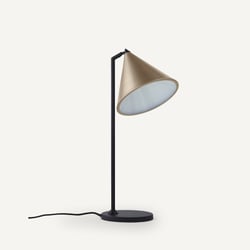
You can slide the compact table beside the sofa for easy snack access, provided its weight and base make it suitable for moving. Lift it rather than dragging it, and follow any floor-protection guidance. If you prefer reading in an armchair, place a reading lamp on top of a suitably sized side table while you relax. Check that the lamp base sits fully on the surface and route the cable away from your feet.
Choose storage that solves a specific problem
A lower shelf can keep magazines and remotes off the tabletop, leaving room for drinks. Measure the gap above the shelf if you plan to use a basket: a basket that catches the underside of the top will be awkward to pull out. A drawer can hold chargers and small accessories, but it also needs clearance to open towards your seat.
Choose one main storage job before adding extra compartments. If your television unit already holds magazines, an open table may be enough. If remotes disappear between cushions every evening, a shallow drawer could be more useful than a larger tabletop. Check whether shelf contents will sit close to your knees when you stretch out.
Compare materials through daily use
Wood finishes and practical care
When considering a pine coffee table, check the finish and care instructions rather than relying on the material name alone. A coated surface and an untreated surface may need different handling when you put down a cold glass. Keep coasters close to where you sit, particularly if condensation or hot mugs are part of your daily routine.
A mango coffee table may appeal if you want visible grain alongside a plain sofa or rug. Use product photographs to assess colour variation, then check the measurements separately. With any solid wood coffee table, confirm the weight if you expect to move it for exercise, cleaning or occasional guests. A compact footprint does not necessarily mean a lightweight piece.
Metal bases and mixed-material designs
A metal frame can leave the floor visible beneath the tabletop, helping you see where to place your feet and making it easier to reach underneath with a vacuum cleaner. Check crossbars and low rails, though: these can limit foot space even when the frame looks slim. Protective feet are also worth checking if the table will stand on hard flooring.
If you are browsing Otto Studio for AM.PM coffee tables, compare each model's stated dimensions, structure and care requirements. Apply the same checks when viewing SO'HOME coffee tables or listings available through a marketplace. Read the individual product details for assembly, weight and delivery information rather than assuming that similarly sized tables have the same features.
Keep shared rooms working throughout the day
In a living and dining room, position the coffee table so that pulling out a dining chair does not close the main walking route. Test both activities at once: ask someone to sit at the dining table while you walk from the sofa to the doorway. This reveals overlaps that are easy to miss when all the chairs are pushed in.
A bistro table may be compact enough for a dining corner, but its height is usually intended for upright chairs rather than a low sofa. Likewise, a garden table should not be chosen for indoor use without checking its stability, feet and suitability for your floor. For a coffee-table position, prioritise the height and reach that work with your seating, even if another small table appears to have a similar footprint.
Planning a small living room around your table
How to lay out furniture in a small living room?
Begin with the sofa and the main route through the room, then place the table within comfortable reach without interrupting that route. Position the largest seating piece where you can use it without blocking doors, radiators or access to other furniture. Next, mark the coffee-table footprint on the floor and test the gap while seated. The aim is to give each piece a usable position, rather than filling every available corner.
- Identify the route you use most often, such as the doorway to the sofa or dining area.
- Place seating so that doors and storage can open fully.
- Test a compact table outline with enough space for knees and feet.
- Add an armchair or side table only after checking the remaining passage.
Avoid pushing every item against a wall without testing the result. This can leave a table too far from the sofa, so you have to lean forward each time you reach for a drink. Also avoid selecting a large rug or table solely because it fills the centre neatly; drawers and reclining seats still need operating space.
For example, with a two-seat sofa facing a television unit, try a narrow coffee table centred on the sofa and leave the wider passage on the side nearest the doorway. If that still feels cramped, use a compact side table beside the sofa instead. A reachable surface and a clear route matter more than a central position. Repeat the walking test with your usual cushions, footstool and everyday belongings in place before making your final choice.