Find a length that feels comfortable
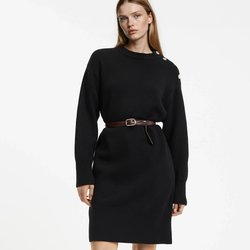
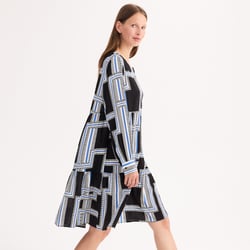
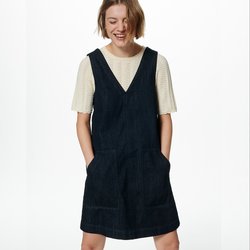
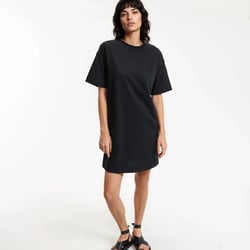
A mini dress should let you sit down for brunch, step onto a bus and walk home without constantly adjusting the hem. Finding that comfortable length starts with your proportions and the way you spend your day, rather than a fixed rule about how much leg to show. For some women, a hem just above the knee feels short enough; for others, a mid-thigh length gives the look they enjoy. At La Redoute, we encourage you to start with fit, then consider waist position, hem length and fabric to narrow down your options.
The best plus size mini dresses give you enough room where you need it while keeping the shape you want. Whether you prefer a loose silhouette, a defined waist or a close-fitting style, a few practical checks can help you choose a dress that works when you move, not just when you stand in front of a mirror.
Start with fit across the bust, shoulders and hips
Your usual size is a useful starting point, but measurements give you more information. Compare your bust, waist and hip measurements with the relevant size guide, and check any garment measurements provided. A fitted woven dress needs enough space for sitting and bending, while a stretchy jersey style may sit closer to your body. Choose for your fullest measurement, then assess the overall shape, rather than sizing down to make one area look more fitted.
Look for room to move, without unwanted pulling
Try your dress on with the bra and underwear you expect to wear underneath. Shoulder seams should sit comfortably, and the fabric across your bust should stay smooth when you bring your arms forward. On button-front dresses, gaps between buttons suggest that you need more room through the chest. Across the hips, horizontal tension lines or a hem that repeatedly creeps upwards can indicate that the cut is too narrow.
- Sit on a chair and check that the skirt does not pull tightly across your thighs.
- Reach forward as though picking up a shopping bag and notice any restriction across your back.
- Walk around for a minute to see whether the side seams twist or the skirt rides up.
- Check the armholes for rubbing, particularly if you plan to wear the dress without a layer underneath.
Choose a neckline and sleeve that suit your plans
A square neck can accommodate a wider bra strap, although strap placement varies between designs. A higher neckline offers more chest coverage when you lean forward, while a lower neckline may feel cooler during a warm afternoon. Check both standing and seated views before deciding. For sleeves, pay attention to upper-arm room as well as length: a short sleeve with a tight cuff can restrict movement even when the bodice fits well. A long sleeve with a little ease can be comfortable for reaching across a dinner table or carrying a bag.
Decide where you want waist definition
Waist definition is a styling choice, not a requirement for plus-size dressing. You might prefer a dress that follows your waist closely, a softly gathered shape or a straight cut that leaves your middle free from pressure. Start by finding where the dress's waist seam sits on you. If it lands noticeably above or below your preferred position, the bodice may bunch or pull even when the labelled size seems right.
Use ties, seams and elastic with intention
A self-tie belt lets you adjust the fit after lunch, while a fixed waistband gives a more consistent shape. Elastic can offer flexibility, but it should rest comfortably rather than dig in when you sit. If you like a wrap design, check that the inner panel provides enough overlap across your bust and skirt. A secure wrap should stay covered during an ordinary stride, without needing one hand to hold it closed.
When browsing a petite wrap dress, remember that petite describes shorter proportions, not a particular body width. Check whether the available sizing covers your measurements and whether the shorter bodice places the waist correctly. A regular-length dress may fit your circumference but position the waist too low if you have a shorter torso.
Leave the waist loose when comfort comes first
A straight or gently flared mini can be useful for days that involve plenty of sitting, such as a train journey followed by lunch. Look for enough room through the hips so that the skirt falls rather than catches. If you want some definition without a fitted waistband, try a dress with shaping seams or subtle gathers at the back. These details can control fullness while leaving the front less restricted.
Set your mini hem length around movement
Mini hem length varies between dresses, and the same garment can sit differently depending on your height, bust and hip proportions. A fuller bust or seat may lift the hem, so the listed length alone cannot tell you exactly where it will finish. Measure from the shoulder position used in the product information down to your preferred hem point, then compare that figure with the garment details where available.
Check the back as carefully as the front
Use a full-length mirror to look at the hem from the side and back. Then sit, climb a step and bend your knees to pick something up. Your comfortable mini length is the one that gives you the coverage you want during movement. If you like the standing length but feel exposed when seated, a slightly longer mini may work better than repeatedly pulling down a shorter one.
Opaque tights can make a short dress feel more covered in cooler weather. Lightweight shorts underneath can reduce thigh rubbing and provide an extra layer, but they will not stop a poorly fitting skirt from riding up. If the hem keeps moving, revisit the hip fit and skirt shape before adding another layer.
Choose fabric for the way you will wear it
Fabric affects how a mini dress hangs, stretches and feels over several hours. A soft jersey can move with you on busy days, while a woven fabric with more structure can hold an A-line skirt away from the thighs. Neither is automatically better: the useful choice depends on whether you want a close fit, a defined outline or more space around your legs.
Balance stretch, weight and coverage
Stretch is helpful, but a fabric pulled beyond its comfortable range may become thinner or lose its intended shape. Check coverage in daylight, especially across the bust and hips. For a white dress, try it over underwear close to your skin tone and inspect the skirt while standing near a window. A lining can add coverage, although it also adds another layer against your skin.
A linen mini dress can suit warm days when you want a woven style with room around the body. Expect some creasing after sitting, and check whether the dress is lined if coverage matters to you. For cooler outings, a long sleeve floral mini dress can provide arm coverage while keeping the hem short; check that the sleeves fit beneath your coat without bunching.
Print placement is worth a closer look too. A large motif may appear different across seams or gathers, while a smaller repeat creates a more continuous pattern. Choose the effect you enjoy, then check the actual fit rather than relying on a print to disguise pulling or excess fabric.
Put your mini dress to work throughout the week
For casual brunch with friends
Wear a plus size mini dress with flat ankle boots or trainers and a light jacket for the journey. A gently flared skirt gives you room to sit at a café table, while an adjustable waist allows a little flexibility over a long lunch. If you choose a red wrap dress, check the fastening before leaving and make sure the neckline stays where you want it when you lean towards the table.
For errands with trainers
Pair a plus size mini dress with trainers for food shopping, collecting parcels or walking between appointments. A stretch style or roomy woven cut can make stepping up kerbs and carrying bags easier. Test the hem with your everyday bag on your shoulder, since a cross-body strap can catch fabric and gradually pull one side upwards. Keep a lightweight layer handy if your route includes air-conditioned shops.
For warm evening patio dinners
Choose a plus size mini dress with a comfortable waistband and enough skirt room for an evening spent seated outdoors. Flat sandals keep the outfit practical on uneven paving, and a light cardigan adds arm coverage as the temperature drops. If you prefer a short black lace dress, check whether the lining reaches your preferred coverage point: the lace edge and the opaque lining may finish at different lengths.
Make a new dress earn its place in your wardrobe
When exploring women's dresses, or browsing categories labelled ladies, keep your own measurements and daily routines at the centre of the choice. Try a new mini with shoes you already wear, sit down in it and check the back hem before removing any tags. The most useful dress is one you can wear for your actual plans, whether that means brunch, errands or dinner outside.
Prioritise comfortable fit before styling details: room through the bust and hips, a waist position you enjoy, a hem you feel secure in and fabric that suits the weather. Once those elements work together, choosing between black, red, white or a favourite print becomes the enjoyable finishing step.