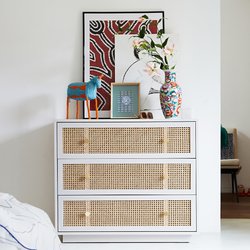
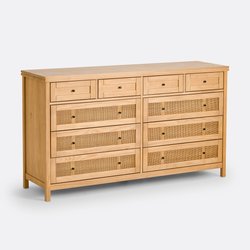
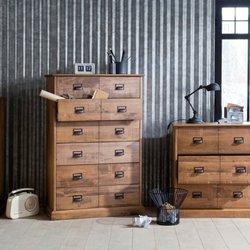
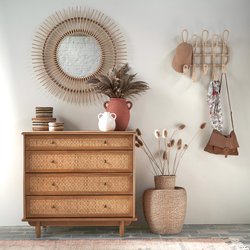
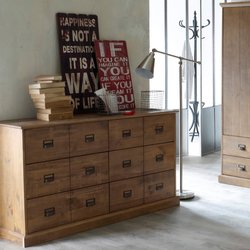
Choose the right pine chest for your bedroom
A pine chest of drawers can be a very practical choice when you want storage that feels warm, easy to place and straightforward to use every day. If you are comparing sizes, finishes and layouts, the main question is simple: will this pine chest suit your room, your storage habits and the way you live? The answer depends less on trend and more on the details that matter in daily use, such as drawer depth, top surface space, the weight of the unit and how the wood will age over time.
In a bedroom, drawers are often used several times a day, so the right model should do more than look good. It needs to open smoothly when full of folded knitwear, fit neatly beside the bed or wardrobe, and give you enough separation between items so you are not digging through mixed piles. For example, you might use a medium-sized pine chest to store folded sweaters and socks in bedroom pine drawers, while a taller design could help keep T-shirts, jeans and sleepwear sorted by drawer. In a family home, it can also help you keep children's pyjamas and school clothes neatly organised inside, making busy mornings a little easier.
Why pine works well for everyday storage
Pine is often chosen because it is light in appearance, easy to coordinate with other bedroom furniture and available in a wide range of finishes. You will find natural grain, waxed looks, hand painted styles and darker stained options that sit comfortably with both modern and more traditional rooms. If you already own a grey chest of drawers or a dark wood chest of drawers in another room, pine can still work well because its finish options are broad enough to bridge different looks across the home.
From a practical point of view, pine can be a good option for everyday bedroom storage because it is generally lighter than some hardwoods, which can make delivery, positioning and room changes simpler. This matters in real homes. If you like to move furniture around when seasons change, or if you are furnishing a child’s room that may be rearranged as they grow, a pine piece can be easier to handle than a very heavy alternative. That said, lighter weight should still be balanced with stability, especially if you plan to fill every drawer with heavier items such as denim, knitwear or spare bedding.
Dimensions and fit: what to measure before you buy
Size is one of the biggest deciding factors when choosing a chest. Before you look at colour or style, measure the available wall space, the depth you can comfortably allow and the clearance needed for walking around the room. A chest that looks compact online may still feel bulky if it projects too far into a narrow bedroom.
Start with three basic measurements:
- Width: check the wall length and leave room for skirting boards, radiators and bedside access.
- Depth: make sure drawers can open fully without hitting the bed frame or wardrobe doors.
- Height: consider whether you want extra storage above waist level or a lower top surface for a mirror, lamp or jewellery tray.
If your room is short on floor space, tallboy drawers can be useful because they build storage upward rather than outward. In a wider bedroom, a broad 6 drawer chest of drawers may give you easier organisation because each drawer can be assigned to a category, such as tops, knitwear, underwear, accessories, sportswear and nightwear. In a guest room or box room, a 3 drawer chest may be enough for occasional use without taking over the space.
Think about the practical consequence of each size. A small chest can fit neatly under artwork or beside a wardrobe, but if you share storage with a partner, the drawers may become overcrowded quickly. A large chest gives more capacity, but if the room is narrow, the visual weight can make the layout feel tight. The best choice is the one that leaves enough space to move around comfortably while still holding the items you use most often.
Drawer layout: matching storage to real routines
The number of drawers is only part of the story. What matters just as much is the drawer shape and depth. Deep drawers are useful for bulkier items such as jumpers, joggers or spare blankets. Shallower drawers tend to work better for socks, underwear, scarves and sleepwear because everything stays visible when opened.
For example, a family might use the top two drawers for children’s daily basics, one middle drawer for school clothes and a bottom drawer for sports kits. In another home, the same chest could hold office wear through the week and weekend clothes below. If you need storage beyond the bedroom, a pine chest can also work in a landing or hallway, where you might hold spare blankets and winter scarves in hallway chest drawers that would otherwise sit unused.
Look closely at how the drawer fronts are arranged. Some designs create the look of many slim compartments while actually offering fewer, roomier interiors. At La Redoute, our selection includes the Lindley Solid Pine Chest of 6 drawers, dark wood, LA REDOUTE INTERIEURS, which uses trompe-l'oeil drawer fronts so that 12 fronts conceal 6 large drawers, giving you a distinctive look with generous storage space for everyday bedroom use.
Material quality: what to look for in a pine chest
Not every pine chest is made in the same way, so it is worth checking the material details carefully. If you want a piece that can cope with regular use, pay attention to whether the frame is described as solid pine, whether drawer bases feel robust enough for heavier clothing and whether the back panel gives the chest enough rigidity once assembled.
A solid pine chest often appeals if you want a natural wood feel and visible grain. Pine may develop marks more easily than some harder woods, but many people do not mind this because it becomes part of the furniture’s lived-in character. In a busy bedroom, that can be more practical than constantly worrying about every bump from a belt buckle, toy basket or vacuum cleaner.
Other quality points to check include:
- How the handles are fixed and whether they feel secure in the hand.
- Whether the drawer runners support smooth opening when the drawers are full.
- If the interior size matches the exterior promise; wide fronts do not always mean deep storage.
- Whether the finish is waxed, stained, painted or left natural, as this affects maintenance and the overall look.
If you like period-inspired furniture, you may come across styles described as antique or Victorian in look. These can work well in older homes, especially if you already have a painted bed frame or traditional wardrobe. If your room is more contemporary, cleaner lines and simple metal or wooden handles may be easier to blend in.
Style and coordination in the bedroom
Choosing the right chest is not only about storage volume. It should also sit comfortably with your existing furniture. Pine is versatile enough to appear relaxed in a modern setting or more decorative in a classic room, depending on the finish and hardware. A hand painted chest can soften the look of a bright bedroom, while a darker stained pine piece may connect more naturally with walnut-look flooring or black metal lighting.
You do not need every item in the room to match exactly. In fact, a pine chest often works best when it complements rather than copies. If your wardrobe is painted, a natural pine chest can break up the finish and stop the room looking too uniform. If your bed is upholstered, the wood grain adds contrast and warmth. If you already own a second chest elsewhere in the house, using a related pine tone can create continuity without making the room feel overly coordinated.
Everyday use: what makes a chest easy to live with
The best bedroom storage is the kind you use without thinking. That usually comes down to simple things: the top drawer opens without catching, the lower drawer does not sag under heavier clothes, and the top surface is useful rather than cluttered. In daily life, you may place a lamp, alarm clock, jewellery dish or folded laundry on top, so make sure the height works for that purpose.
Consider who will use the chest. In a child’s room, lower drawers are easier for little hands to reach, which helps with getting dressed independently. In an adult bedroom, a wider top can double as a dressing area if you add a mirror above. If the chest is going in a guest room, straightforward drawer sizes make it easier for visitors to unpack without asking where things should go.
Price matters too, but it helps to think in terms of value rather than only the lowest price. A cheaper chest may look similar in photos, yet if the drawer interiors are shallow or the runners feel stiff, it may become frustrating quite quickly. The best offer is usually the one that gives you the right capacity, dependable use and a finish that suits your room for the long term.
How to compare options before you decide
When you are browsing a collection of pine bedroom furniture, compare products with your own storage needs in mind rather than by appearance alone. One useful approach is to list the items you want to store and estimate the number of drawers required. For example, if you need space for knitwear, underwear, gym clothes, sleepwear and accessories, a chest with only three deep drawers may leave everything mixed together. A layout with more separation could be easier to manage.
It can also help to compare pine with alternatives you may already be considering. If you like a room with stronger contrast, you might look at a dark wood chest of drawers. If you want a lighter painted effect, a grey chest of drawers could suit your scheme. But if your priority is a warm, versatile wood that can move from a main bedroom to a child’s room or guest room over time, pine often remains a practical choice.
What you need to know before buying
What are the disadvantages of pine wood furniture?
Pine wood furniture has several practical advantages, but it also comes with a few points you should weigh up before buying. The main disadvantage is that pine is generally softer than hardwoods such as oak, which means it can pick up dents, scratches and pressure marks more easily in everyday use. In a bedroom, this might happen if a belt buckle knocks against the edge, if toys are pushed into the sides in a child’s room, or if heavy objects are dragged across the top surface. If you prefer furniture that stays looking nearly unchanged for years, that can be a drawback.
Another point is movement in the wood. Like many natural materials, pine can react to changes in room temperature and humidity. In practical terms, this means drawers may occasionally feel slightly tighter or looser depending on the season, especially in older properties where heating patterns vary. Pine can also have knots and visible grain variation, which some people enjoy, but others may find less uniform than expected.
Here are the main things to keep in mind:
- Pine may mark more easily than harder woods.
- Lighter finishes can show knocks or stains more clearly.
- Very cheap designs may not give the support needed for heavily loaded drawers.
A pitfall to avoid is choosing pine purely because the price is attractive without checking the construction details. For example, if you plan to fill the chest with thick winter jumpers, spare bedding and jeans, shallow or lightly built drawers may not cope well over time. A better approach is to match the furniture to your actual use. If the chest will mainly hold socks, T-shirts and children’s clothes, pine can be a very sensible and easy-to-live-with option. If you expect it to take constant heavy loads and resist every bump, you may want to compare it with denser wood types before deciding.
What's better, oak or pine?
Neither oak nor pine is automatically better in every situation; the right choice depends on how you plan to use the furniture, the look you want and the feel of your room. Oak is usually harder and heavier, so it often resists dents and everyday wear more effectively. That can make it a strong choice for furniture that will take a lot of impact or heavy loading over many years. Pine, on the other hand, is often lighter in both colour and weight, which can make it easier to place in bedrooms, easier to move during room changes and easier to coordinate with painted or upholstered furniture.
If you are choosing a chest of drawers for a bedroom, think about the practical differences rather than only the material name. Oak may suit you better if you want a sturdier, denser feel and do not mind a heavier piece. Pine may suit you better if you want a more relaxed look, a friendlier price point and a chest that works well in a child’s room, guest room or smaller bedroom where visual heaviness matters.
A quick way to compare them:
- Choose oak if you want greater hardness and a weightier feel.
- Choose pine if you want a lighter look and often a more accessible offer.
- Check dimensions and drawer usability first, because layout matters as much as wood type.
A common mistake is assuming oak is always the best choice simply because it is harder. In reality, a well-sized pine chest with sensible drawer depth may serve you better than an oak chest with awkward proportions. For example, if you need to store folded sweaters and socks neatly in separate sections, a pine model with a practical six-drawer layout could be more useful day to day than a heavier oak unit with only three deep compartments. The better option is the one that fits your room, your storage habits and the way you use your bedroom every morning and evening.