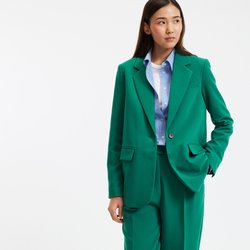
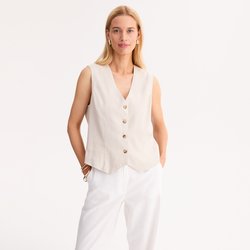
Start with the fit that flatters
When buying formal suits for women, the first thing to focus on is not trend, colour or even occasion. It is fit. A well-cut suit can sharpen your outline, help you feel composed during a demanding day and make getting dressed much simpler when your diary includes both office hours and an evening event. If the shoulders sit neatly, the waist is positioned correctly and the trousers fall cleanly from hip to hem, the whole look works harder for you.
This fit-first approach matters whether you are leading client meetings in a tailored navy women’s suit, interviewing for a new position or dressing for a formal lunch after work. A flattering suit should feel easy to move in, look smart from every angle and stay reliable after repeated wears. That means checking the line of the blazer, the rise of the trousers and the weight of the fabric before you buy.
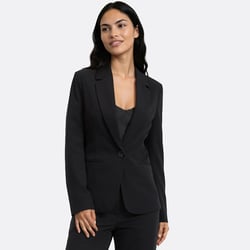
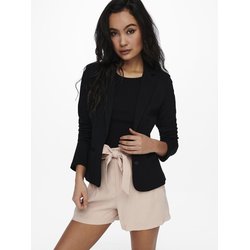
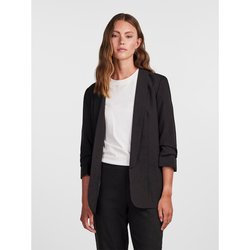
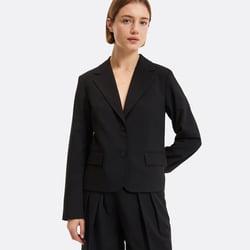
Many women start with colour, often searching for a woman's black blazer because black feels versatile. It can be, but the shape matters more than the shade. A black jacket with a dropped shoulder may feel too relaxed for a boardroom, while a navy single-breasted blazer with a defined shoulder can look far more polished in a corporate setting. If you want a formal result, always assess the cut on your frame first.
Why fit comes before everything else
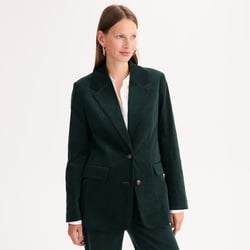
A formal suit should flatter your proportions rather than work against them. The best place to start is the jacket. The shoulder seam should finish close to your natural shoulder point. If it sits too far down the arm, the blazer can look borrowed rather than tailored. If it pulls across the back, you may find the jacket restrictive when reaching for your laptop, shaking hands or presenting slides.
The second point is the waist. Some women prefer a straight, modern line; others feel more balanced in a shaped jacket that follows the waist slightly. Both can work, but the choice should reflect your build and how you plan to wear the suit. If you sit at a desk for long stretches, a little ease through the middle can improve comfort. If you want a more defined, office-ready silhouette for formal presentations, a neater cut can create that sharper outline.
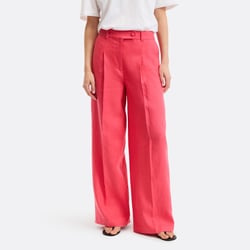
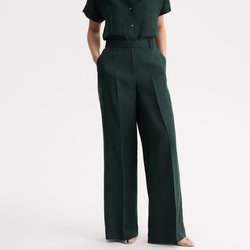
Trousers deserve the same attention. The rise affects comfort and proportion, while the leg shape changes the final impression. A straight leg often looks balanced with most formal jackets for women, while a wider leg can lengthen the frame when worn with the right hem and shoe height. Cropped trousers may suit a creative office, but for a more traditional workplace, full-length tailored trousers usually look smarter.
Try to judge the suit in motion, not only standing still. Walk, sit and bend your arms. A suit that looks good only in the mirror but feels awkward at your desk will stay in the wardrobe.
Fabric choices that support a polished result
Fabric has a direct effect on structure, comfort and wearability. For formal dressing, wool blends are often a great place to start. They hold their shape well, resist creasing better than many lighter cloths and suit year-round office wear. If you commute, spend the day seated and still need to look neat for an after-work dinner, wool can be a dependable option.
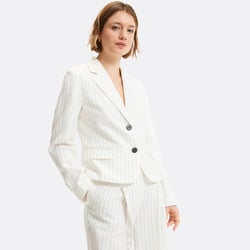
Lighter fabrics also have their place. Linen can feel fresh in warm weather, but it creases more quickly, so it may be better for a summer event than a strict interview setting. If you are interviewing for corporate roles in a crisp formal women’s suit, a fabric with more structure usually gives a cleaner finish from morning to afternoon. A compact weave can also help the blazer skim the body rather than cling.
Texture matters too. A smooth cloth tends to look more formal, while visible slub or a very soft drape can read as more relaxed. If your aim is a smart weekday suit that can also work for a registry office wedding or a professional awards event, choose a fabric with enough body to hold its line. That is often what helps a suit look expensive, even before accessories are added.
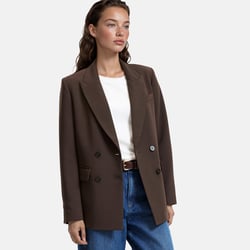
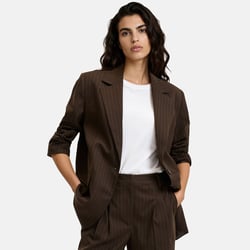
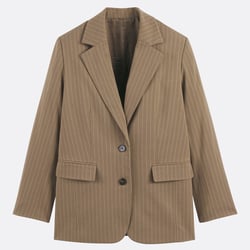
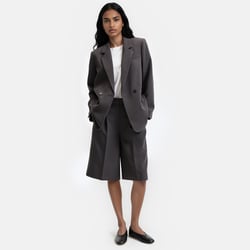
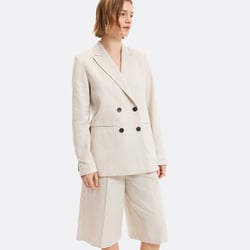
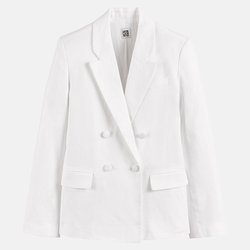
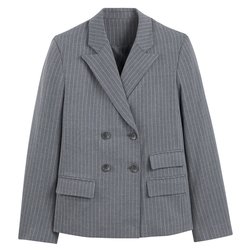
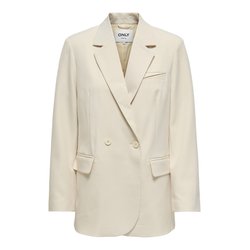
At La Redoute, our selection includes the Loose Fit Blazer - LA REDOUTE COLLECTIONS, and classic styles are making a comeback, as this oversized double-breasted blazer shows with its confident, modern line. If you are considering an oversized jacket for women style, think about where you will wear it most. In a creative workplace, that extra volume can look current and assured. For a formal interview, you may prefer a more precise tailored shape.
Office use and occasion use: one suit, several roles
A good formal suit should earn its place in your wardrobe by working across more than one setting. If you spend weekdays in meetings, a navy, charcoal or black suit can take you through presentations, business lunches and evening plans with only a change of top and shoes. This is where wearability becomes practical rather than theoretical.
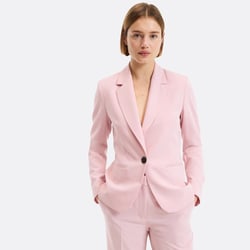
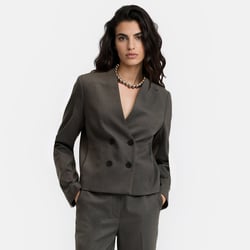
For example, if you are presenting at conferences wearing a sleek women’s business suit, you need a jacket that stays smooth when fastened and trousers that do not crease heavily after sitting. A single-breasted blazer often works well here because it layers neatly over a blouse or fine knit and feels less bulky under a coat. If you want stronger structure, a double-breasted jacket can create authority, but it should not gape when you move.
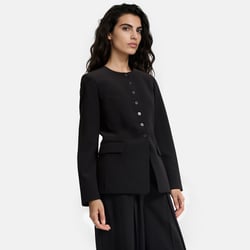
For office wear, think in separates as well as full suits. A blazer can work with tailored trousers one day and a pencil skirt the next. That flexibility helps you save time during the week and gives you more styling options from one purchase. A black smart jacket for women style, for instance, can finish a monochrome outfit for a client lunch, while the matching trousers can later be worn with a silk shirt for a more formal dinner.
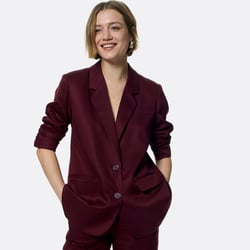
If you are curious about an oversized suit for women silhouette, use it with care in formal settings. The effect can be striking, but balance is key. Wider trousers need enough length to avoid looking accidentally cropped, and a roomy blazer should still sit correctly at the shoulder. Oversized can look deliberate and polished, but only when the proportions are controlled.
How to assess sizing before you buy
Uncertainty when buying often comes from not knowing which measurements matter most. With formal tailoring, start with the jacket shoulders and bust, then move to the waist and hips on the trousers. If one area fits and another does not, that tells you that you may need a different cut rather than simply a different size.
Check these points before you shop:
- Shoulders: the seam should align closely with your shoulder edge.
- Bust fastening: the blazer should close without pulling or creating a gap.
- Waist placement: the narrowest part of the jacket should sit near your natural waist if the style is shaped.
- Trouser rise: high-rise trousers can smooth the line under shirts and help define the waist.
- Leg length: the hem should work with the shoes you expect to wear most often.
If you are between sizes, think about the garment category. With a blazer, too small is usually more obvious than slightly roomy, especially across the back and upper arm. With trousers, too much fabric around the hips can spoil the tailored look, so compare the cut carefully. Some women prefer to buy a jacket and trousers in separate sizes when possible, which can make a noticeable difference to the final result.
Also consider your styling habits. Do you wear a shirt under your suit, or a fine knit? Do you prefer the blazer open or fastened? These details affect fit. A jacket that feels fine over a camisole may feel tight over a crisp cotton blouse. Thinking through these real-life combinations can reduce returns and help you choose with more confidence.
Styling details that make a formal suit work harder
The right styling choices can sharpen the line of your suit without making it feel overdone. Start with proportion. If your trousers are wide through the leg, keep the top layer smooth and close to the body. If the blazer is longer, avoid tops that bunch at the waist. Clean layers tend to support the tailored look better than bulky ones.
Shoes also change the result. Courts or heeled loafers can lengthen the line of the trousers, while flat loafers keep the look practical for commuting. If your trousers are full length, make sure the hem works with both if you plan to switch between office shoes and evening shoes. A hem that drags will quickly spoil an otherwise smart suit.
Accessories should support, not distract. A structured bag, a simple belt and understated jewellery often suit formal tailoring best. If your starting point is a woman's black blazer, you can add interest with an ivory blouse or a fine striped shirt. If your suit is navy, pale blue and soft cream can look especially professional in daylight meetings.
Small adjustments often have the biggest visual effect: sleeve length that shows a little shirt cuff, trousers that skim rather than cling, and a blazer length that suits your height. These are the details that create a polished finish for everyday wear.
Caring for your suit so it keeps its shape
Formal tailoring looks best when the fabric stays clean, smooth and structured. That starts with how you store it. Hang the blazer on a shaped hanger so the shoulders keep their line, and hang trousers by the hem or over a bar to reduce creasing. If you wear the suit for a full day, let it air before putting it back in the wardrobe.
Dry cleaning has its place, but over-cleaning can shorten the life of some fabrics. Spot-cleaning light marks and steaming between wears can help maintain the finish. Wool suits often respond well to gentle steaming, while linen may need more pressing to restore a crisp look. Always check the care label, especially if the suit contains a blend.
If you wear your suit often for work, rotating between two jackets can help preserve shape at stress points such as elbows and fastening areas. This is particularly useful if you rely on one suit for regular office wear, interviews and events. Looking after the fabric helps the fit continue to work as it should.
What you need to know before buying
What are the different types of formal suits for women?
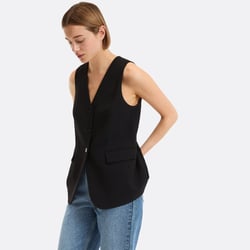
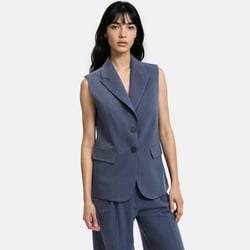
Formal suits for women come in several forms, and the best choice depends on where and how you plan to wear them. The most classic option is the two-piece trouser suit: a blazer with matching trousers. This is often the easiest route for office dressing because it feels polished without requiring much styling effort. Within that category, you will find single-breasted jackets, double-breasted styles, straight-leg trousers, tapered cuts and wider-leg options. A skirt suit is another formal choice, often useful in traditional workplaces or ceremonial settings. There are also three-piece options with a waistcoat, which can feel especially sharp for presentations or formal daytime events.
Some suits are designed with a close tailored fit, while others lean into a softer line, such as an oversized jacket for women cut or a looser trouser. The difference matters in practice. A close fit often suits interviews and corporate meetings because it reads as precise and intentional. A roomier suit can still be formal, but it needs careful balance through the shoulder, sleeve and hem.
To narrow down the right type, think about:
- your workplace dress code
- how often you will wear the suit
- whether you need it for desk work, travel or events
- which shape feels most comfortable on your frame
A common mistake is choosing only by trend. For example, an oversized suit for women style may look striking online, but if you need a suit for interviewing for corporate roles in a crisp formal women’s suit, a cleaner, more structured cut will usually feel more appropriate and easier to style. On the other hand, if your office is fashion-led, a double-breasted blazer with wide trousers can look current and assured. The right type is the one that suits your real schedule, not just the image on the hanger.
How to choose a suit for women?
Start by deciding the main purpose of the suit. If you need it for daily office wear, prioritise comfort, crease resistance and easy styling. If you need it for interviews, formal meetings or presentations, place more emphasis on structure, fabric and a clean silhouette. Once you know the main use, move directly to fit. Try the blazer first, because the jacket usually determines whether the suit looks polished. The shoulders should sit neatly, the collar should lie flat and the front should close comfortably. Then check the trousers: the waistband should sit securely, the hips should fall smoothly and the leg should match your preferred level of formality.
Fabric is the next decision. Wool or wool-blend suits are often a strong choice for frequent wear because they hold their shape well. Linen can work in warmer months, but it may crease quickly during a commute or a full day in the office. Colour should follow function. Navy, black and charcoal are usually the easiest to repeat, especially if you want to combine the blazer with other pieces such as formal jackets for women already in your wardrobe.
Use this practical buying checklist:
- check shoulder fit before anything else
- sit down in the trousers to test comfort
- wear or imagine your usual work top underneath
- look at the hem with the shoes you plan to wear
- consider whether you can style the pieces separately
One pitfall to avoid is buying a suit that works only for one very specific occasion. For example, if you are leading client meetings in a tailored navy women’s suit, you may also want that same blazer to work later in the month with a blouse and different trousers. That is where smart shopping helps you save money and get more wear from the purchase. A well-chosen blazer, whether a classic single-breasted style or a more structured double-breasted design, should support several outfits rather than one fixed look.
How to look slim in a suit for women?
If you want to look slimmer in a suit, the answer is usually better proportion rather than a smaller size. A suit that is too tight can pull across the bust, waist or hips and draw more attention to those areas. A suit that is too loose can hide your shape completely and make the frame appear broader. The most flattering result often comes from a jacket that follows the body lightly and trousers that create a long, uninterrupted line.
High-rise trousers can be especially useful because they define the waist and visually lengthen the leg. Straight or gently wide trousers often work well, particularly when the hem nearly meets the top of the shoe. A blazer with subtle waist shaping can also help, as can darker colours such as navy, charcoal or black. If you are considering a black smart jacket for women option, look for one that sits cleanly at the shoulder and ends at a flattering point on the hip rather than cutting across the widest area.
Try these styling moves:
- choose a smooth fabric with enough structure to skim the body
- wear a top close in colour to the suit for a longer line
- avoid pockets or details that add bulk at the hip
- pick trousers with a crease down the front for a sharper effect
- keep layers fine rather than bulky under the blazer
A practical example: if you are presenting at conferences wearing a sleek women’s business suit, a dark single-breasted blazer with matching high-rise trousers and a simple blouse in a similar tone can create a streamlined outline on stage and in photographs. Avoid the common mistake of sizing down in the hope of looking slimmer. The better approach is to choose tailored lines that skim the body, support movement and keep the silhouette balanced from shoulder to hem.