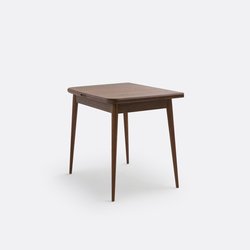
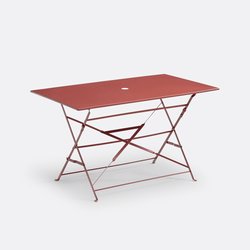
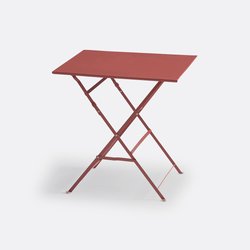
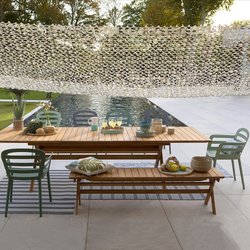
Compact dining that works around your day
When you live with limited floor space, every piece of furniture needs to earn its place. A folding dining table does exactly that. You open it when it is time to eat, work or gather, then fold it away after meals so the room feels open again. In a small flat, studio or multipurpose living area, that simple routine can make a real difference to how comfortable your home feels from morning to night.
The appeal is practical from the first use. You can keep the table slim against a wall during the day, then bring it out for breakfast, homework, a quick coffee or dinner with friends. In a tiny apartment dining nook, a folded table saves precious walking space, so you are not squeezing past chair legs every time you move between the kitchen and the sofa. If you like rooms that change with your plans, this kind of furniture makes daily life much easier.
Unlike larger fixed tables, a folding model is designed for movement and flexibility. Some fold flat, some use a drop leaf design, and some open from a narrow console into a full dining surface. What matters most is that you can enjoy proper dining capacity without giving up permanent floor area. That is why folding styles are especially useful in apartments, spare rooms and open-plan spaces where one area may need to serve several purposes in the same day.
Why a folding dining table suits small rooms
Small-space living often means one room has to do more than one job. Your dining spot may also be your work zone, reading corner or family activity area. A compact folding dining table lets you switch between those uses quickly. You can set it up for lunch, fold it down for exercise or playtime, then open it again in the evening when guests arrive.
Think about an everyday example. During the week, you might keep the table half-open for two people, with just enough room for plates, glasses and a serving dish. At the weekend, you can extend the table for family dinner, then fold away afterwards so the room feels clear again. That flexibility is especially helpful if you do not have a separate dining room.
Another benefit is visual calm. Large furniture can make a narrow room feel crowded even when no one is using it. A folding table reduces that effect because its footprint shrinks when not in use. In practical terms, that means easier movement around the room, better access to cupboards and less need to rearrange everything whenever you want to sit down to eat.
- Folds flat for easier storage against a wall or in a corner
- Small-space friendly for flats, studios and shared rooms
- Multi-use dining for meals, working, hobbies and games
- Often lighter to move than a full-size fixed dining table
- Useful when you need extra seats only at certain times
What to look for in everyday dining capacity
The best folding dining table is not simply the one with the smallest folded size. It is the one that supports the way you actually live. Start by thinking about how many people usually sit at the table. If you mostly eat as a couple, a smaller top may be enough for daily use. If you regularly host friends or family, look for a model with an extra leaf or side panel that expands the surface without making the table bulky all week.
For example, a narrow folding table can comfortably serve two people every day, but a wider opening top can let four people dine without elbows touching. If you often serve shared dishes, check whether there is enough central room for bowls, platters and glasses. It is easy to focus on the number of places a table technically seats, but what matters in real use is whether everyone has enough room to eat comfortably.
If you are comparing options online, it can also help to look beyond folding styles. You may also come across an extendable dining table seats 8 if you need occasional larger gatherings, or a round extendable dining table if you want easier circulation in a tighter room. Even if you choose folding in the end, comparing these formats helps you judge what shape and capacity suit your layout.
Folded footprint: the detail that changes daily life
One of the main reasons people choose a folding dining table is simple: the folded size matters just as much as the open size. In a smaller room, a table that opens beautifully but still takes up too much room when closed may not solve the problem. Measure where you plan to keep it between uses. That could be along a wall, beside a sideboard, near a window or tucked into a dining nook.
A folded table saves space in a tiny apartment dining nook because it leaves more room for chairs to slide back and for people to walk through comfortably. If your front room also serves as your dining area, the difference can be immediate. A slim folded profile may free enough floor area for a rug, a child’s play mat or easier access to shelves and storage units.
Storage is another key point. Some folding tables are designed to stay visible, looking neat and understated when closed. Others can be moved aside after use. If you plan to store yours regularly, think about weight, folded thickness and whether it will fit behind a door or beside other furniture. A practical design should feel easy to open and close without becoming a chore.
Stability matters just as much as flexibility
A folding mechanism should never mean a wobbly meal. Stability is essential, especially if you use the table every day rather than only on special occasions. Look closely at the leg design, hinges and locking system. A good folding dining table should feel secure when fully open, with enough support under the top to hold plates, serving dishes, laptops or board games without movement.
This is particularly important in multipurpose rooms. You might use a folding table for board games, then store it easily once the evening is over. During the game, though, you still want a steady surface so cards, counters and drinks stay where they should. The same applies if children are drawing, if you are working from home for a few hours, or if you are serving a family meal with hot dishes and glassware.
Materials can influence stability too. A solid-feeling top in oak or wood-effect finish often gives a reassuringly sturdy impression, while metal legs can add support without making the frame look heavy. If you prefer a lighter visual style, you may also compare a folding option with a glass dining room table, though glass is usually less practical if your priority is frequent folding and easy handling.
Materials and finishes: choose for your room and routine
The material of your folding dining table affects how it looks, how it feels to use and how much care it needs. Wood and wood-effect finishes are popular because they bring warmth to a dining area and work well in both classic and modern interiors. A pale finish can brighten a smaller room, while a darker tone can add contrast if your walls and flooring are light.
If you already have light furniture, a white extendable dining table may help you compare finishes that keep the room feeling open and airy. If your style is bolder, a black round table can give a very different look, though shape and storage needs may lead you back to a folding rectangular design. The key is to choose a finish that fits your room without making the piece feel too dominant when open.
At La Redoute, our selection includes versatile dining designs for different layouts and tastes. According to our catalogue, the Jimi 2-6 Seater Extending Dining Table, white, LA REDOUTE INTERIEURS is practical and contemporary, with a neo-retro style that looks right at home in a range of interiors. If you are deciding between extending and folding formats, this gives you a useful point of comparison for everyday family use.
How to judge whether it will fit your room
Before you click to buy, take a few simple measurements. Start with the open dimensions. Measure the width and depth of the table when ready for dining, then add enough room for chairs and movement around them. As a guide, you want enough clearance for someone to pull a chair out and sit down without bumping into a wall or another piece of furniture.
Then measure the folded size. This is the detail many shoppers skip, yet it has the biggest effect on day-to-day living. A folding table may look compact in a photo, but the real test is whether it leaves enough room for your routine once closed. Can you still open a cupboard? Can you walk through easily with shopping bags? Can the children move around safely?
Here is a practical way to test it at home:
- Mark the open table size on the floor with masking tape
- Add chair positions to see how many people it really seats comfortably
- Mark the folded footprint as well
- Walk around both layouts as if serving dinner or clearing plates
- Check nearby doors, radiators and storage units
This quick exercise often tells you more than product photos alone. It shows whether the table suits your room in daily use, not just in theory.
Care and maintenance made simple
A folding dining table tends to be handled more often than a fixed table, so easy care matters. For most wood, veneer or painted finishes, a soft damp cloth is enough for everyday cleaning. Wipe up spills promptly, especially around joints or hinges, to keep the mechanism working smoothly. Avoid dragging the table when moving it, as this can strain the legs and affect stability over time.
If the table has a painted or lacquered top, use placemats for hot dishes and coasters for drinks. In a busy dining area, that small habit helps preserve the finish and keeps the surface looking neat for longer. If your model includes a folding leaf or hinged side section, open and close it gently rather than forcing it into position.
It is also worth checking the fittings from time to time. In a flat where the table is opened and closed several times a week, a quick check of screws and hinges can help maintain a steady feel. That is especially useful if you use the table for more than meals, such as paperwork, craft sessions or game nights.
Making the most of a folding dining table in a multipurpose room
A folding dining table is often at its best when it supports more than one activity. In a small living room, it can be breakfast table, work desk and dinner setting within the same day. If guests are coming over, you can clear the surface, lay the table and bring out extra chairs only when needed. That makes entertaining feel easier, even when floor area is limited.
You might also use it in a guest room that doubles as a study, or in a kitchen where every bit of storage and circulation counts. Because the table can be reduced after use, the room stays flexible. That is the real advantage: not just where you eat, but how much freedom you keep the rest of the time.
When browsing what is available, compare the opening style, folded depth, material and everyday seating. Check the price, of course, but also think about how often you will use the table and what tasks it needs to handle. If a design offers free delivery, that can make planning easier, especially in an upper-floor apartment where moving large furniture is less straightforward.
A smart choice for compact living
If your room needs to work hard, a folding dining table is one of the most practical ways to add comfortable dining without overcrowding the space. It lets you collect around the table for meals, open it up when extra guests arrive, and close it down again once the evening ends. That rhythm suits modern living, especially in smaller homes where one room often needs to do several jobs well.
Whether you want a simple everyday dining spot, extra room for occasional guests, or a flexible surface for hobbies and family time, folding designs offer useful answers. They save floor area, support easy storage and help you make the most of every square metre without giving up the comfort of sitting down properly to eat.