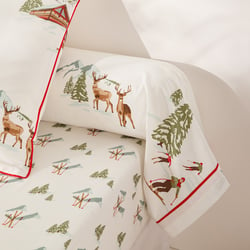
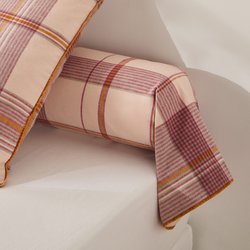
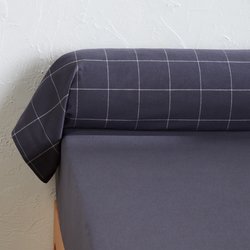
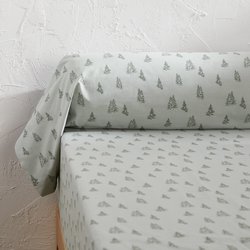
Find the right bolster size for a pillowcase that fits
A bolster pillow case needs to fit the length and rounded shape of your cushion, not simply match your bedding. Too much spare fabric can gather beneath your neck; too little can compress the filling or make the fastening difficult to close. Before you choose a colour or pattern, measure the bolster you already own. A few minutes with a tape measure will help you choose a cover that sits neatly and comes off easily on wash day.
Whether your bolster rests behind your sleeping pillows, supports your body while reading or sits along a sofa arm, the same three checks apply: fit, fabric and care. We recommend starting with the dimensions, then considering how the material will feel against your skin and how often you will need to wash it.
Measure your bolster before choosing a cover
Check length, diameter and the sizing description
A cylindrical bolster has two key measurements: its length from end to end and its diameter across one round end. Record both measurements in centimetres, without pressing down on the filling. If the cushion is soft, place it on a flat surface and allow it to settle before measuring. Include its full shape, but leave out decorative tassels or ties.
Product descriptions do not always present pillowcase dimensions in the same way. Some give the length and diameter of the cushion the cover is designed to fit. Others describe the fabric dimensions of an empty, flattened case. These measurements are not interchangeable, so check the size guide rather than assuming that two similar-looking numbers describe the same fit.
- Length: measure from one end of the filled cushion to the other.
- Diameter: measure straight across the centre of a circular end, not around its outside edge.
- Circumference: measure around the bolster if the seller uses this measurement or provides a flat-width guide.
- Closure allowance: check whether ties, an envelope opening or extra fabric are included in the listed dimensions.
For example, a bolster measuring 20 cm in diameter has a circumference of approximately 63 cm. An empty tubular cover fitting that shape would have a flat width of roughly 31.5 cm before any fitting allowance. That does not mean you should automatically buy a case labelled 31.5 cm wide: the manufacturer may already account for the cushion shape. Use the product’s own measurement convention when comparing sizes.
Allow for the filling and fastening
A densely filled bolster needs enough room for the cover to slide over it without straining the seams. A softer pillow may compress during insertion, but it should regain its rounded shape once inside. If the fabric pulls tightly across the ends or the zip needs force, stop and recheck the dimensions.
For a zip fastening, open it fully and gently compress the cushion as you insert it. Guide the fabric around the filling before closing, keeping loose fibres clear of the teeth. Zip the bolster pillow case over a cylindrical cushion before bedtime, then check that the fastening sits away from the area where your neck or arm will rest. This small adjustment can prevent an uncomfortable pressure point.
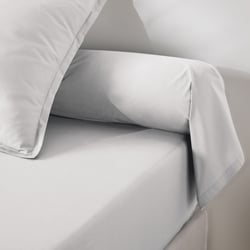
Open-ended or tie-fastened pillowcases may have spare length by design. Look at the product images and description to establish whether that fabric forms decorative ends or is meant to tuck around the cushion. Do not treat every longer case as an incorrect fit.
Choose fabric for the way you use your bolster
Cotton and percale for regular bedding changes
If your bolster is part of your nightly bedding, consider how the fabric feels against your cheek and how easily it fits into your laundry routine. Cotton is worth considering for regular use, with the weave affecting its texture. Cotton percale typically has a crisp, smooth feel, which may suit you if you prefer bedding that does not feel heavily textured beneath your face.
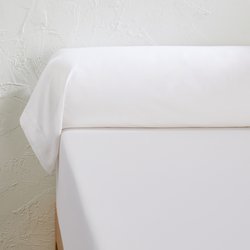
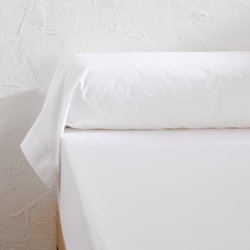
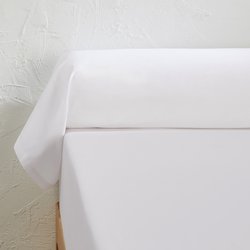
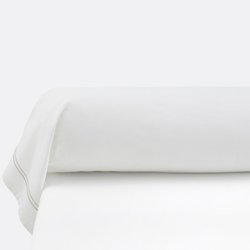
At La Redoute, our Scenario Plain Cotton Percale Bolster Pillowcase by LA REDOUTE INTERIEURS is a bolster case in cotton percale made with cotton. Check the individual product page for available dimensions and care instructions before choosing it for an existing cushion.
When browsing linen pillow case, compare the stated fibre composition rather than relying on a category name alone. Cotton, linen and blended fabrics can have different textures and washing requirements. If you already have sheets you enjoy sleeping on, checking their fabric label gives you a useful starting point for your new bolster cover.
Silk and textured fabrics for particular uses
A silk pillowcase can offer a smooth surface, but its care requirements deserve attention before purchase. Check whether the specific case requires hand washing or a delicate machine cycle, and consider whether that suits your usual laundry habits. If you wash bedding frequently after exercise, spills or pet naps, a fabric with a straightforward care label may be more convenient.
For a bolster used mainly on a sofa, texture may matter more than the feel against your face. Run your hand over any raised stitching or decorative trim before using it beneath your neck. A textured cover can work well behind your back while sitting, yet feel distracting when you lie down. Choose the fabric for its main point of contact, not just its appearance.
Make the bolster work with your bed or sofa
Coordinate patterns without replacing everything
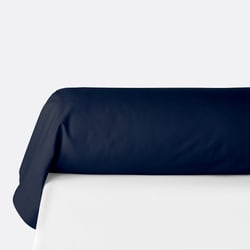
A long bolster creates a visible band of colour across a bed, so compare it with the duvet cover and pillows you already use. With spot bedding, a plain bolster case can repeat one colour from the pattern without introducing another print. For grey and green bedding, choose a shade that already appears in the sheets or duvet cover to keep the arrangement easy to coordinate.
If you prefer emerald bedding, compare greens in daylight where possible: a blue-toned green can look noticeably different beside a yellow-toned one. If you are also considering gold pillow cases, check whether their finish is matt, shiny or patterned, as that will affect how strongly they stand out beside the bolster.
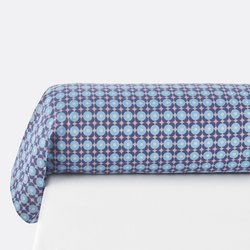
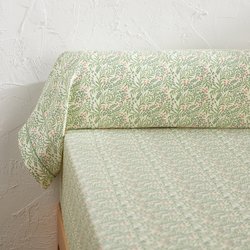
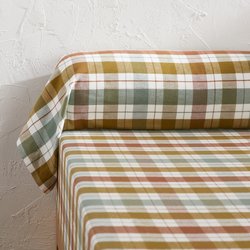
You can also match a patterned bolster pillow case with your sofa’s accent cushions. Repeat one shared colour rather than trying to match every detail. For example, a striped bolster with a navy line can sit beside plain navy cushions, while a smaller patterned cushion adds variety without requiring the whole sofa arrangement to change.
Place it for comfort rather than height alone
The case keeps the filling contained, but the bolster itself provides the support. A thick cylinder behind your head may push it forwards when you sit against a headboard. Try the bolster lower down behind your back, or choose a smaller diameter if you want gentler positioning. For sleeping, use a pillow shape and height that feel comfortable for you rather than assuming a decorative bolster will suit your neck.
Keep the fit consistent through washing and drying
Read the care label before the first wash, including the drying instructions. Excess heat can affect some fabrics and fastenings, while incomplete drying can leave the closed ends damp. Wash similar colours together and follow the stated guidance for detergent, temperature and cycle.
Wash the removable bolster pillow case after pets nap on it, removing loose hair first with a suitable brush or roller. This helps prevent hair from collecting inside the case and reduces what goes into the washing machine. Keep a spare cover ready if the bolster is used every day, so the cushion does not have to remain uncovered while its case dries.
- Close zips before washing if the care instructions recommend it, and secure ties to limit tangling.
- Avoid overfilling the drum, so water and detergent can move through a long case.
- Reshape the fabric gently after washing and follow the permitted drying method.
- Make sure the cover is completely dry before putting it back on the cushion.
When comparing price, consider the cost of a spare alongside the first cover. If you run a small guest accommodation business, keeping matching replacements can make bedding changes simpler between stays. At home, the same approach helps when a spill happens just before bedtime. Record the dimensions with your bedding information so that replacement pillowcases are easier to order later.
Bolster dimensions to know before buying
What are the common sizes of bolster pillows?
Bolster pillows come in several sizes, and there is no single measurement used by every brand. As indicative examples, a compact decorative bolster might measure around 15 cm in diameter and 40 cm long, while a medium cylindrical cushion might be around 20 cm in diameter and 60 cm long. Longer bed bolsters may measure around 90 cm, 140 cm or 160 cm in length, with diameters varying by design. These are comparison examples, not a guarantee that a particular range offers those dimensions.
Match the cover to the actual cushion measurements, rather than choosing by labels such as small, standard or long. Those descriptions can refer to different dimensions across retailers. Also check whether the listed cover width means its flat fabric width or the diameter of the bolster it accommodates.
- For a chair or sofa arm, check both the cushion length and the available seating space.
- For a bed, compare the bolster length with the mattress width and your usual pillow arrangement.
- For an existing cushion, measure the filled shape before ordering a replacement cover.
For example, if your bolster measures 20 cm across its circular end and 90 cm from end to end, look for a case explicitly described as fitting those dimensions. Avoid choosing a 90 cm-long cover solely because the length matches: its diameter allowance or flat width could still be unsuitable. Checking both measurements helps prevent a loose, wrinkled fit or a cover that will not close.