Blue and green curtains that refresh a room
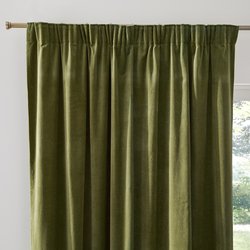
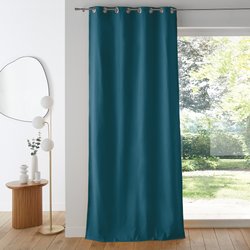
Blue and green curtains are an easy way to bring more life into a room without making the whole scheme feel difficult to manage. These shades are closely linked to nature, so they often feel calm, fresh and welcoming all at once. If you want more colour at the window but do not want to rethink every wall, rug and cushion, this blue-green mix can be a smart place to start. You get character while keeping plenty of freedom when styling furniture, flooring and accessories around it.
One of the main reasons people choose these curtains is that they can change the mood of a room quickly. Soft blue and green curtains brighten living room windows when daylight filters through, especially if you have pale walls, a light sofa or oak furniture. In a bedroom, deeper tones can feel more cocooning after dark while still looking softer than charcoal grey or black. If your home already includes white paint, natural wood, woven storage or neutral upholstery, blue and green are often easy to coordinate because they add colour without clashing.
When you are comparing options, it helps to think first about what the room needs from the curtain. Do you want to soften strong sunlight, frame a large window, add privacy, or introduce a patterned detail that breaks up plain walls? Once you know the practical role, choosing the right colour depth, fabric weight and lining becomes much simpler.
Why blue and green work so well in everyday interiors
Many people worry that colourful curtains will limit future decorating choices, but blue and green usually do the opposite. They sit comfortably with a wide range of finishes, from white walls and beige carpets to walnut furniture and black metal lighting. A soft sage and duck-egg mix can look gentle and airy, while teal and sea-green tones feel richer and more enveloping.
If you prefer a relaxed setting, pair these curtains with cream upholstery, striped cushions and pale wood. If you want more contrast, blue and green sit neatly beside mustard, rust or terracotta accessories. They can even work in rooms where you already have other statement textiles. For example, if you are browsing yellow velvet curtains for another room, blue and green curtains can still feel balanced elsewhere in the home because they introduce colour in a calmer way.
The key is to match the depth of colour to the room size and light level. In a north-facing room, lighter blue-green tones can stop the space from feeling flat. In a sunny room, stronger shades can hold their own against bright daylight and help anchor the overall look.
Choosing the right shade for each room
Not every blue and green curtain creates the same effect. The exact mix matters. A curtain with more blue can feel cooler and more structured, while one with more green often feels softer and more organic. If you are unsure, start by looking at the largest surfaces already in the room: walls, flooring and sofa upholstery.
- For living rooms: choose softer blue-green tones if you want a light, welcoming feel during the day.
- For bedrooms: choose deeper shades with a suitable lining if privacy and reduced morning light matter more.
- For kitchens: look for practical fabric and manageable lengths near worktops or radiators.
- For small rooms: avoid very heavy, dark curtains unless the window is large enough to carry the look.
Blue and green curtains add privacy to the bedroom at night, especially when paired with a dim-out or blackout lining. In practical terms, this means less visibility from outside when the lights are on, and a more restful atmosphere if street lighting reaches the window. In a kitchen, where strong daylight can hit dining areas or breakfast nooks, blue and green curtains can reduce sunlight and soften glare on worktops or screens.
Plain or patterned: which should you choose?
A plain curtain is often the easiest route if your room already has texture through rugs, throws or wallpaper. Plain blue and green curtains let the colour do the work, so the result feels calm and flexible. If you change your cushions with the seasons, plain styles are also easier to update.
A patterned curtain can be useful when the room feels too plain or when you want the window to become a focal point. A subtle leaf print, narrow stripe or watercolour design can tie blue and green together in a more decorative way. This works especially well in rooms with simple furniture lines, where the curtains can add movement without making the space feel busy.
If you are balancing several bold pieces, compare scale carefully. Large motifs need enough wall and window space to breathe. In a compact room, smaller patterns usually look more settled. If you already own statement pieces in darker tones, such as navy blue velvet curtains in another part of the house, a lighter blue-green print can create a softer contrast while maintaining visual continuity between rooms.
Fabric, lining and how they affect the finish
The fabric you choose changes not only the look of the curtains but also how they hang, filter light and stand up to daily use. Cotton blends often feel versatile and easy to live with. Linen-look fabric gives a softer drape and a more relaxed finish. Velvet adds weight and depth, which can suit formal rooms or colder-looking spaces that need visual warmth.
Lining makes a real difference. Unlined curtains let more natural light through and often feel lighter at the window, but they may offer less privacy in the evening. A standard lining can improve the drape and help protect the front fabric from strong sun. Blackout lining is useful for bedrooms, children’s rooms and media spaces where light control matters.
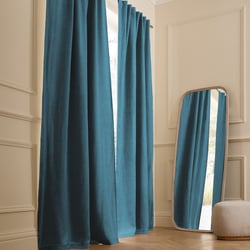
At La Redoute, the Private Blackout Curtain in Washed Linen with Concealed Tabs by AM.PM shows how practical details and style can work together, while the washed linen fabric softens over time and develops a lightly crinkled effect. That kind of finish suits blue and green particularly well because the colour looks a little more nuanced in natural light.
If you are also considering lighter window dressings, linen voile curtains can work beautifully behind blue and green curtains on a double pole. This gives you privacy during the day while keeping the option to draw heavier curtains in the evening.
How to get the dimensions right
Good measuring is what makes curtains look considered rather than awkward. Before you order, check whether you are fitting a pole or a track, and decide how high above the window you want the curtain to start. Hanging curtains a little higher than the frame can make the room look taller. Extending the pole beyond the window width also helps more light enter when the curtains are open.
For width, you usually need more fabric than the exact window measurement so the curtain can gather properly when closed. A flat panel rarely gives a full, attractive look. For drop, decide whether you want the curtains to finish just below the sill, hover above the floor, or fall all the way to it. In a living room or bedroom, full-length curtains often look more polished. In a kitchen, a shorter length may be easier if the window sits above a radiator or sink area.
Always measure twice before placing your order, especially if you are choosing lined or blackout curtains, as returns can be more frustrating when the sizing issue could have been avoided. If you need help, our service information and size guides can make measuring easier before delivery is arranged.
Styling blue and green curtains with what you already own
One of the best things about this colour family is how easily it works with pieces many homes already have. White walls, beige carpets, rattan baskets, grey sofas and wooden side tables can all sit happily beside blue and green curtains. If your room feels very neutral, these curtains can add the colour you need without forcing you to buy lots of new accessories.
Try repeating one part of the curtain shade elsewhere in the room. If the fabric leans green, bring in a small plant pot, cushion or throw in a similar tone. If it leans blue, a lamp base, vase or framed print can echo it. The room then looks connected rather than accidental. This does not mean everything has to match exactly. In fact, a slightly varied mix usually looks more natural.
If you enjoy bolder decorating, blue and green can also sit well with blush and berry accents. For example, if you like the softness of pink blackout curtains in a child’s bedroom, blue and green curtains elsewhere can keep the home feeling colourful yet balanced from room to room.
Practical care for busy homes
Care matters just as much as colour, especially in homes with children, pets or open windows that let in dust. Before buying, check whether the curtain fabric is machine washable, suitable for gentle cycles, or better suited to specialist cleaning. Heavier fabrics and lined curtains often need more space to dry and may require careful pressing on the reverse side.
For everyday upkeep, regular vacuuming with a soft brush attachment can help stop dust building up in the folds. In kitchens, where cooking residue can settle on textiles, washable curtains can be especially useful. In bedrooms, airing the room well and drawing the curtains back during the day can help keep the fabric fresh.
Ordering samples can save time if you are hesitating between shades. A small fabric sample lets you see how the blue-green colour changes from morning to evening in your own home. It also helps you compare the curtain against paint, flooring and bedding before you commit. This is often more reliable than judging from a screen alone.
What to compare before you buy
When several styles are available, it helps to compare them using a short checklist rather than colour alone. That way, the curtains you choose will suit your room in daily life, not just in a photo.
- Check the fabric weight and whether it suits the room’s light level.
- Look at the type of lining if privacy or darkening matters.
- Review the heading style so it fits your pole or track.
- Confirm the drop and width after measuring carefully.
- Think about care needs, especially for kitchens and children’s rooms.
- Use samples if you are deciding between a plain or patterned finish.
Finding a look that lasts
Blue and green curtains are a reliable choice if you want more colour at home without making styling feel complicated. They can brighten a living room, add privacy to a bedroom, and soften strong daylight in a kitchen. They also work across many materials, from washed linen and cotton blends to richer velvet finishes.
When you choose carefully, considering dimensions, lining, fabric and care as well as colour, your curtains will do more than frame the window. They will help the room feel settled, functional and easy to enjoy every day. With accurate measuring, a clear idea of how much light control you need, and a shade that works with your existing furniture, blue and green curtains can give your home a fresh new look while remaining easy to live with.