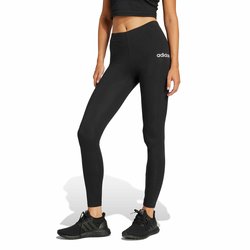
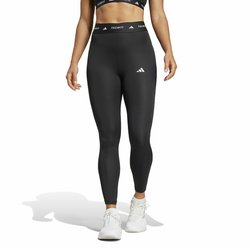
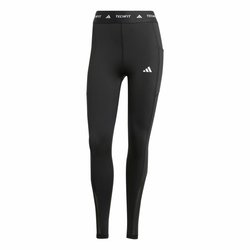
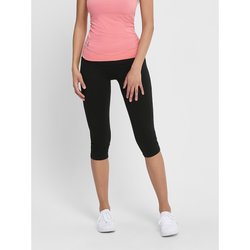
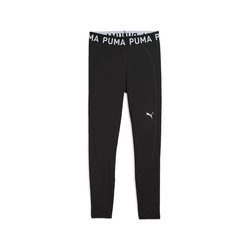
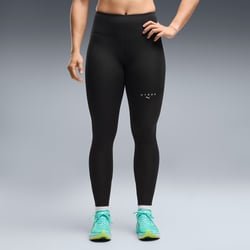
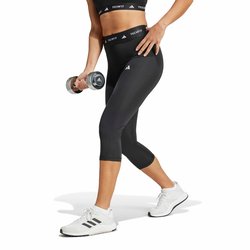
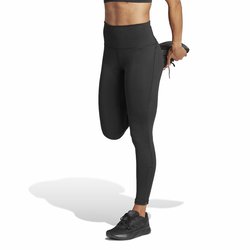
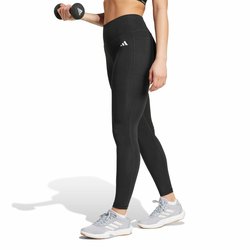
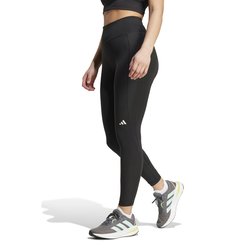
Check stretch, coverage and fit
Before you commit to black gym leggings, put three things first: stretch that follows your movements, coverage when you bend and a fit that stays comfortable through your session. A pair that feels fine standing beside your bed can behave differently during a deep squat or a fast spin interval. Check the waistband, bend your knees and look at the fabric under good lighting before taking the labels off. These simple checks help you choose leggings for the training you actually do, rather than judging them on colour and appearance alone.
At La Redoute, we recommend reading the product description, fabric composition and size guide together when choosing your gym kit. For women moving between strength training, studio classes and everyday plans, those details help narrow down the options. Start with fit, then consider fabric, training movement and care: each affects how your leggings feel after more than a few minutes of wear.
Start with a fit that supports your workout
Check the waist while sitting, bending and reaching
A comfortable waistband should stay in place without digging into your stomach or restricting a full breath. Test the waist in several positions, not just standing up. Sit on a chair, fold forwards and reach both arms overhead. If the band rolls down repeatedly, the rise, waistband construction or size may not suit your body. If it leaves uncomfortable pressure marks during a short try-on, consider another size or cut rather than assuming it will soften enough during exercise.
High-waisted leggings can provide more coverage during overhead stretches and floor exercises, especially when worn with a shorter sports top. A mid-rise option may feel less restrictive if you dislike fabric sitting high on your torso. Neither rise suits everyone: choose the one that stays comfortable when you take the positions used in your usual gym session.
Use measurements rather than your usual trouser size alone
Your size in everyday trousers is a starting point, not a guarantee of fit in activewear. Check your waist and hip measurements against the guide for each brand, as sizing and intended fit can differ. When browsing women's leggings, look for any description of compression or a close fit. A deliberately firm training style should still allow you to squat, breathe and sit comfortably without the seams pulling sharply.
If you fall between sizes, follow the product-specific guidance where available. Sizing down can overstretch the material and reduce coverage, while sizing up may leave loose fabric behind your knees or cause the waist to slip. For plus size cropped leggings, check the stated inside-leg length as well as waist and hip measurements: the same cropped cut can finish at a different point depending on your height and proportions.
Choose fabric for stretch, coverage and the pace of your session
Look beyond the black colour
Black is easy to coordinate with a breathable tee, a sports bra or a lightweight training jacket, but a dark shade does not automatically mean opaque coverage. Fabric thickness, knit construction, fit and the amount of stretch all affect what happens when you bend. Check coverage in bright light while holding a deep squat. Use a mirror or ask someone you trust to check the seat area, keeping any underwear you intend to wear underneath in mind.
Stretch should let the material follow your hips and knees without making every movement feel resisted. Recovery matters too: after a few bends, the knees and seat should not remain noticeably baggy. A fabric containing elastane often provides flexibility, but the percentage alone cannot tell you how the finished garment will feel. The cut and overall fabric blend also contribute to its performance.
Match the blend to heat and effort
Cotton can feel soft for gentle stretching or a relaxed studio session, although it absorbs moisture and may stay damp during a sweaty workout. Synthetic blends are often used in sports clothing because they can offer quicker drying, depending on their construction. If moisture management is a priority for spin or circuit training, look for that feature in the product description rather than assuming every pair labelled for sport has it.
For morning yoga, pair black gym leggings with a breathable tee and check that the fabric remains comfortable against your skin during seated folds. For a demanding indoor cycling class, consider a lighter fabric with stated sweat-management features. Brushed, thicker leggings may feel cosy on the journey to the gym but warmer than you want once the class begins.
If you are also considering leather leggings for your everyday wardrobe, keep their purpose separate from your training kit. A fashion finish does not establish suitability for repeated lunges or a heated studio. Choose gym leggings with the movement, coverage and care details needed for exercise.
Put training movement at the centre of your choice
Check the movements you repeat most
Your training routine provides a useful fitting-room checklist. Strength sessions involve bending deeply at the hips and knees; yoga adds long stretches and floor contact; spin involves repeated seated pedalling. Try the movements your workout demands before removing labels. Keep the test brief and indoors, and follow the retailer’s return conditions while assessing fit.
- For squats, lower slowly and check for waistband movement, seam tension and changes in coverage across the seat.
- For lunges, step forwards and backwards to see whether the fabric pulls across your hips or gathers behind your knees.
- For yoga, try a seated forward fold and a gentle twist, checking that the waistband does not dig in.
- For cycling, sit and lean forwards to assess pressure at the waist and any bunching at the front of the hips.
- For floor exercises, lie on a mat and check whether pockets, zips or thick seams press against your back.
Wear black gym leggings during squat sessions only after checking they provide flexible, opaque coverage at the depth you normally train. A shallow bend will not reveal everything that happens at the bottom of a squat. If the fabric becomes noticeably sheer, try a different size or construction rather than relying on a longer top to hide the problem.
Choose a length that stays out of your way
Full-length leggings cover the lower leg and can be comfortable for cooler journeys to your class. cropped gym leggings leave more of the lower leg uncovered, which you may prefer in a warm studio. Check where the hem lands: a tight band at the widest part of your calf can feel restrictive, particularly during repeated calf raises or cycling.
If your routine includes treadmill work, 3/4 running leggings are another length to consider. Look beyond the category name and check seam placement, waistband security and any stated running features. For example, a secure pocket may be useful for a locker key, while a bulky pocket at the hip can be distracting during side-lying exercises.
Make the small details work for your routine
Assess seams, pockets and waistbands
Seams should feel comfortable where your body bends or meets equipment. Run a hand along the inside of the leggings and check the crotch, inner thighs and waistband for rough edges. A gusset can provide room for movement, but its presence alone does not guarantee comfort. Your short movement test will give you more practical information than a feature name on its own.
Match pocket placement to what you carry. A close-fitting side pocket may hold a phone during a walk to the gym, but check that the weight does not pull the leggings down. For mat-based work, an empty rear pocket may be more comfortable than one holding a key. Remove hard objects before using benches or lying on the floor.
Plan for the journey home and everyday stops
Pull on black gym leggings for post-work errands after spin class, choosing a fresh, dry pair if your session leaves your training clothes damp. Add a clean tee and a zip-up layer for the trip home. Keeping spare underwear and a small laundry bag in your gym bag makes that change easier when you need to stop at the supermarket before heading back.
Before buying, check whether the leggings are sold individually or as part of a set, and confirm what the displayed price includes. If a matching top appears in the product image, use the written description to establish whether it is included. Take a close view of the waistband, hems and pockets too, especially if you need a specific feature for your routine.
Care for the fit after every session
Follow the label and handle stretch fabrics gently
The care label takes priority over general washing advice. Check the recommended temperature, drying method and any restrictions before the first wash. Where the label permits, turning leggings inside out can help reduce rubbing on the outer surface. Keep them away from exposed hook-and-loop fastenings and open zips in the wash, as these can catch the material.
Do not leave damp gym clothing bundled in a closed bag until your next session. Take it out when you get home and wash it according to the label. Avoid fabric conditioner if the care instructions advise against it, particularly for materials with moisture-management finishes. Use the stated detergent amount rather than adding extra in an attempt to deal with a sweaty session.
Check wear before the next workout
Once your leggings are clean and dry, inspect the seams, waistband and areas that experience repeated friction. Recheck coverage if the fabric starts to thin or lose its recovery. Knees that remain baggy, a waistband that no longer holds or stretched stitching around the seat are practical reasons to reassess whether the pair still suits demanding exercise.
Keep your final choice focused on the sessions you do most often. For yoga, prioritise comfortable stretch and seams that do not press into you on the mat. For strength work, check coverage at full squat depth. For spin, assess the seated fit and fabric suitability for a warm class. Black gym leggings earn their place in your kit when they let you complete those movements without stopping to pull up the waist or adjust the fabric.