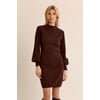
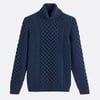
Find a neckline that feels right
A turtle neck should give you coverage without making you want to tug at the collar halfway through the morning. When you are layering for chilly office mornings, frosty commutes or weekend errands, the neckline is the first detail to check. Its height, stretch and thickness affect how comfortably a top sits beneath a blazer, shirt or coat. Start with a collar that rests against your neck without pressing into it, then check that you can turn your head and lower your chin comfortably.
We approach turtle neck tops as practical foundations for getting dressed on colder days. A close-fitting version can sit neatly under tailoring, while a slightly roomier cut works with jeans when you take your coat off indoors. The aim is to leave enough space for movement without gathering excess fabric beneath your next layer. Here is how to assess the neck, sleeve and body together, so your outfit feels comfortable from the commute to the journey home.
Start with the height and feel of the neck
Choose a collar that suits your layers
A folded turtle neck creates a deeper band of fabric around the neck, which can feel cosy beneath an open coat. A shorter, unfolded high neck uses less material and may feel less restrictive under a buttoned shirt. Neither shape needs to sit tightly to stay in place: the useful test is whether the collar holds its position while you move, rather than whether it grips your skin.
Check the neckline while sitting down as well as standing. A collar that feels comfortable in front of a mirror may bunch beneath your chin when you lean towards a laptop. If it folds into several thick ridges, try a lower neck or a finer fabric. If you prefer a taller collar, fold it evenly once instead of rolling it repeatedly, which can create a bulky edge beneath a scarf.
Allow room for a shirt collar or blazer
When you wear a turtleneck beneath a blazer, the high neckline fills the space above the lapels without needing another accessory. Keep the collar smooth and check that the blazer lies flat across your upper chest. A thick neck combined with a narrow scarf and a closely fastened coat can put several layers in the same small area, so reduce one of those layers if turning your head feels awkward.
For a shirt worn over the top, leave the upper buttons open so its collar can sit around the turtle neck rather than compete with it. Our high neck tops with sleeves are worth considering when you want coverage at both the neck and arms beneath an open shirt. Compare the collar height in the product photographs with a top you already find comfortable.
Check the fit as carefully as you would a T-shirt
Look at shoulders, chest and armholes
Although the neckline is higher, the body of a turtle neck top needs the same fit checks as other tops in the T-shirt category. The shoulder seam should sit close to your shoulder edge unless the design deliberately uses a dropped shoulder. Across the chest, fabric should follow your shape without pulling into horizontal lines. Around the armholes, leave enough room to reach forward without the whole top lifting.
A fitted cut should follow your body, not restrict it. Put on the blazer or cardigan you plan to wear over it, then reach forward as though you are picking up a bag. If the layers pull across your back, check whether the restriction comes from the top, the outer layer or both. Sizing up the turtle neck will not solve a blazer with narrow armholes, and extra fabric may bunch underneath it.
For women who prefer more room through the middle, a gently shaped top can be more comfortable than a very close cut during seated work. Check the garment measurements where available rather than relying only on the size label. Compare chest width and body length with a familiar T-shirt laid flat to get a clearer idea of the fit.
Choose a hem length for the way you dress
A longer hem is useful when you tuck your top into trousers because it is less likely to pull free as you reach upwards. With high-waisted jeans, a shorter body can reduce the amount of fabric gathered inside the waistband. If you are considering a long sleeve crop top with a high neck, check where the hem finishes when you raise your arms, particularly if you want continuous coverage beneath an open jacket.
For an untucked look, check the hem beneath your outer layer. A top that extends well below a short blazer creates a visible band of fabric; that may be the style you want, but it is worth checking from the side. If you want the blazer to define the outline, choose a hem that stays inside it.
Make sleeve length work beneath outer layers
Keep the upper arm smooth and the wrist comfortable
Long-sleeved turtle neck tops are useful on cold mornings, but sleeve width matters as much as length. A slim sleeve usually slides beneath a tailored jacket more readily than a loose one. Look for enough room to bend your elbow without a tight band forming across it, and check that the cuff does not press into your wrist when you type.
Try every layer together before deciding on the fit. A sleeve that sits neatly on its own can ride up when you pull on a lined coat. Hold the cuff briefly as you put your arm through, then release it and straighten the fabric. If the sleeve repeatedly gathers above your elbow, it may be too loose for the outer layer or too long through the arm.
A ribbed long sleeve top can provide stretch through the arms, although rib depth and fabric composition affect how substantial it feels. Fine ribs tend to create less bulk beneath a blazer than pronounced, chunky ribs. Check the composition and care instructions on the individual product page, especially if you plan to wear and wash the top regularly during the working week.
Build practical outfits around a high neckline
For chilly office mornings
Layer a fitted turtleneck beneath a blazer for chilly office mornings, then add straight-leg trousers and shoes suitable for your journey. Choose a fine, smooth fabric if your blazer already fits closely through the sleeves. A black polo neck top creates a continuous dark base beneath a grey or checked jacket, making the lapels and jacket pattern more noticeable without adding another print.
If your office warms up later, make sure you are comfortable wearing the top without the blazer. Check for pulling at the chest and a hem that stays where you want it when seated. Choose the base layer for indoor comfort, then add warmth outside. This avoids relying on a heavy top that feels too warm once the heating is on.
For frosty commutes
Wear a soft turtle neck top under coats on frosty commutes, using the coat for the main outer insulation. A high collar covers the gap above a crew-neck jumper, while a fine body keeps the layers easier to manage on a crowded train. If you add a scarf, loosen it indoors so the combined fabric does not feel tight around your throat.
At La Redoute, our LA REDOUTE COLLECTIONS Lyocell Blend Turtleneck Top with Long Sleeves offers a high-neck, long-sleeved option for winter outfits, whether you wear it beneath a blazer on office days or under a coat for the journey home. Check its composition, fit information and care guidance alongside those of your outer layers to judge how it will fit into your routine.
For weekend errands
Pair ribbed turtle neck tops with jeans for weekend errands, choosing a body length that stays comfortable when you bend to pick up shopping or get into the car. A lightly fitted top can tuck into straight-leg denim without creating a thick roll at the waist. If you prefer to leave it untucked, check that the hem does not catch tightly across the hips.
A stripe adds a visible pattern beneath a plain jacket, while solid colours make it easier to wear a checked coat. For a quick outfit, choose one patterned piece and keep the other layers plain. This gives you a clear starting point when you are getting dressed between breakfast and leaving the house.
Use shirts, colour and fabric weight to control bulk
An open shirt creates an adjustable middle layer: leave it loose outdoors beneath a roomy coat, then remove the coat indoors. Our women's long white shirt selection offers another starting point for this kind of outfit. Check the shirt's chest and sleeve measurements so there is room for the turtle neck underneath, and pay attention to how the shirt cuffs sit over the base-layer cuffs.
Use contrasting colours when you want each layer to remain visible. A white shirt over a black turtle neck clearly separates the collar, front opening and cuffs. Similar shades create less contrast, which can be useful when you want a patterned jacket to be the main feature. With a printed turtle neck, keep the shirt plain so two small-scale patterns do not compete around the neckline.
Fabric weight also changes the result. A substantial rib may work well as the main indoor top but feel crowded beneath a close-fitting shirt. A finer knit or jersey can sit more smoothly under several layers. Check pale fabrics in daylight over the underwear you intend to wear, as coverage can change when the fabric stretches across the chest.
A practical checklist before you choose
Once you have a neckline and sleeve shape in mind, compare the details that affect daily wear rather than judging by colour alone. Keep your usual outer layers nearby when checking a new top at home.
- Move in the complete outfit: sit, bend your elbows and reach forward to check for pulling or bunching.
- Check that the collar stays comfortable when you lower your chin or turn your head.
- Make sure the hem suits your preferred tuck and does not ride up during ordinary movement.
- Compare fabric composition and washing instructions with the time you have for clothing care.
- Check the current price, size availability and delivery details on the product page rather than assuming all colours have the same options.
- If a free delivery offer is displayed, read its conditions before including it in your budget.
The most useful turtle neck tops are the ones that work with the clothes you already reach for: a blazer with enough sleeve room, a shirt that sits comfortably over the shoulders, or jeans with space for a neat tuck. Start with a neck that feels right, check the fit in motion, and build your layers around the temperatures and activities in your day.