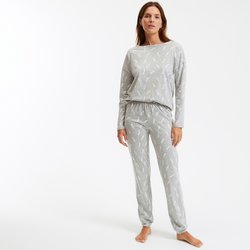
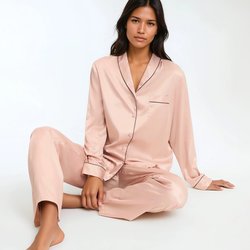
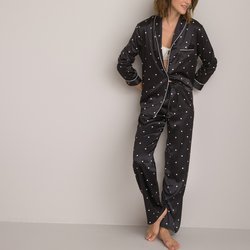
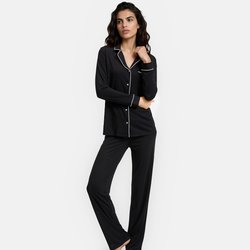
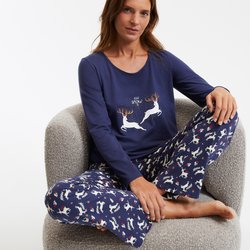
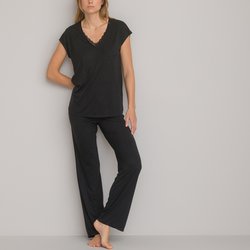
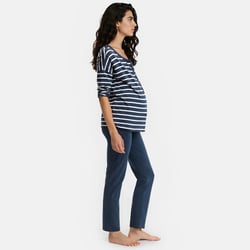
Find a comfortable size 22 fit
Comfortable size 22 pyjamas should give you room to settle down without leaving you tangled in excess fabric. Whether you sleep curled on your side, stretch out beneath a light duvet or spend an hour reading before bed, the right fit lets you move without a waistband digging in or a top pulling across your shoulders. Start with your measurements, then consider the cut, fabric and details that affect how your nightwear feels during the night.
At La Redoute, we want to help you choose women's nightwear around your routine. A relaxed size 22 fit keeps bedtime comfortable after long shifts, especially when you want to change quickly and unwind without adjusting tight cuffs or restrictive trousers. This guide explains what to look for, from checking the size chart to caring for your new pjs.
Start with measurements rather than your usual clothing label
A size 22 can fit differently between brands and individual designs. A woven cotton pyjama set may have less give than a jersey version, while a loose-cut top can feel different from a more fitted style carrying the same size label. Check the size guide attached to the product before choosing, rather than assuming your daytime trouser size will give you the fit you want for sleeping.
Measure the areas that affect comfort most
Use a flexible tape measure over light clothing or underwear. Keep it level around your body and comfortably close without pulling it tight. Your bust, waist and hips are the most useful starting points, although an inside-leg measurement can also help when choosing long trousers.
- Measure around the fullest part of your bust, keeping your arms relaxed.
- Measure your natural waist without holding your stomach in.
- Measure around the fullest part of your hips and bottom.
- Compare your inside-leg measurement with any trouser length information provided.
- Note whether the chart gives body measurements or measurements of the finished garment.
If your measurements fall across different sizes, focus on the area that needs the most space. For example, trousers should accommodate your hips without pulling when you sit down. Buying a larger size simply to gain more room is not always the answer: it can also make the shoulders wider, the sleeves longer and the trouser hems lower.
Allow space for your sleeping position
Nightwear needs to work when you lie down, not just when you stand in front of a mirror. Try sitting, bending your knees and reaching forwards when checking the fit at home, while following the retailer's returns conditions. A top that feels comfortable standing up may pull across your back when you curl onto your side. Similarly, trousers that sit neatly at the waist can feel restrictive when you bring your knees towards your chest.
You should be able to move without seams pressing into your skin or fabric stretching tightly across your hips. At the same time, very loose legs can twist around your calves during sleep. Look for ease where you bend, rather than extra fabric everywhere.
Choose the shape around your bedtime routine
Waistbands that stay comfortable when you sit
An elasticated waistband can accommodate changes in position, but its width and firmness matter. A broad, flat band may feel more comfortable than a narrow one if you spend evenings sitting on the sofa. A drawstring gives you some adjustment, though tightening it too much can create pressure at the front of your waist.
Check where the waistband sits on your body. If you prefer trousers above your hips, look at the rise information where available. A rise that is too short can pull at the back when you sit down, even if the waist measurement seems suitable. Roomy size 22 pyjamas suit lounging at home between busy errands when you need to sit, stretch and get up frequently without readjusting your clothes.
Tops, necklines and sleeve lengths
A round neck offers straightforward coverage, while a button-front top lets you adjust the opening. If you tend to feel warm around your chest or neck, consider how high the neckline sits. For women who prefer a buttoned style, check that the fastening lies flat across the bust without gaps when seated.
Sleeve length also changes how a top feels in use. A short sleeve leaves your forearms free when washing your face or making breakfast. A long sleeve offers more coverage on cold evenings, but the cuff should not press into your wrist or slide over your hand. Check shoulder seams and underarm space too: lifting your arms should not pull the whole top sharply upwards.
Trouser lengths for walking and sleeping
Keep trouser hems clear of the floor, particularly if you get up during the night. Wide legs can feel airy, but extra length may collect beneath your heels. Cuffed trousers help contain the fabric around your ankles, provided the cuffs feel gentle rather than tight.
Cropped trousers and shorts can suit warmer bedrooms or those who dislike fabric around their lower legs. If you are choosing ladies' nightwear for both sleeping and breakfast at home, think about the temperature of your kitchen as well as your bedroom.
Match the fabric to how warm you sleep
Cotton and jersey for lighter coverage
Cotton is worth considering if you prefer an absorbent fabric against your skin. However, fabric construction makes a difference: woven cotton generally has less natural stretch than knitted cotton jersey. A woven set therefore needs enough room through the shoulders, hips and thighs, while jersey may move more readily as you change position.
Read the composition rather than relying on the fabric name alone. A blend containing elastane may offer additional stretch, while the weight of the material affects its warmth. If you often wake feeling hot, a lighter set with shorter sleeves may be more practical than thick fabric, even during colder months.
Velour for chilly evenings and weekend mornings
Soft size 22 pyjamas make chilly weekend mornings easier to enjoy, whether you are eating breakfast at the table or reading before the heating comes on. Velour has a plush surface that can feel inviting when you want more coverage than lightweight summer nightwear provides.
At La Redoute, our SO'HOME Velour Pyjamas are a dream to wear in super soft velour. When considering this style, check the product's size options, fabric composition and care instructions to decide whether it suits your preferred fit and washing routine.
Choose warmth for your bedroom, not just the season. A thick set may feel comfortable while watching television but too warm beneath a heavy duvet. If those two settings feel very different, a lighter pyjama set with a separate dressing gown gives you a layer you can remove before sleep.
Check the details before ordering
Product photographs help you assess the shape, but the description provides details you cannot judge reliably from an image. Look for information about stretch, pockets, fastenings and the waistband. If you like to sleep on your front, bulky buttons or a large drawstring knot may be less comfortable than a smooth-front design.
For plus size nightwear, consider how the top and trousers work together. A longer top can provide coverage when you reach up, but excess length may bunch around your waist in bed. If you usually need different sizes on your upper and lower body, check whether separate pieces are available rather than choosing a matching set that only fits comfortably in one area.
Before placing your order, review the delivery estimate and returns terms, particularly if you need your pyjamas for a hospital stay or an upcoming trip. Check any conditions attached to free delivery rather than assuming it applies to every basket. Allow time to try on your nightwear before you need to pack it.
Care for your pyjamas with fit in mind
Follow the care label on each garment, as washing and drying requirements vary by fibre, finish and construction. Excessive heat can affect some fabrics and elastic components, so avoid choosing a hotter wash or tumble-drying setting simply to save time. If the label permits machine washing, use the recommended programme and detergent amount.
Fasten buttons where the instructions recommend it, empty pockets and wash with similar colours. For velour, follow any guidance about washing inside out or drying to help look after its surface. Do not assume that instructions for a cotton set also apply to a plush fabric.
After washing, gently ease the garment back into shape if directed and make sure it dries fully before putting it away. Having a second set gives you something comfortable to wear while the first is drying, without needing to rush the process with unsuitable heat.
Settle into a fit that works for you
The most useful size 22 pyjamas are the ones you can sit, stretch and sleep in without repeatedly adjusting them. Start with the product measurements, allow room at your bust and hips, and check the waistband and hems in movement. Then choose a fabric that suits both your bedroom temperature and your care routine. With those details covered, you can pick the colour or pattern you enjoy and get ready for a more comfortable bedtime.