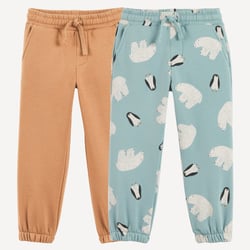
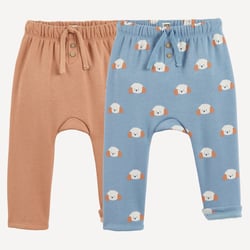
Choosing a boys tracksuit set starts with the fit
Before you choose a colour or compare the price, check how a boys tracksuit set will fit when he sits, stretches and runs. A top that looks roomy while he stands still may pull across his shoulders when he reaches for his school bag. Bottoms that seem generous can slip beneath his trainers once he starts walking. Use his current measurements rather than his age alone to narrow down the size, then look at comfort, fabric and care.
For chilly morning school commutes, he needs enough room for a T-shirt underneath without sleeves covering his hands. For weekend football practice, he needs bottoms that stay secure during warm-up stretches. We recommend starting with these everyday movements: they tell you more about a useful fit than the appearance of a neatly folded set.
Boys tracksuit sizing: measure before you choose
Start with height, chest and waist measurements
Measure his height without shoes, with his heels against a wall. Take his chest measurement around the fullest part, keeping the tape level and allowing him to breathe normally. Measure his waist where the waistband will sit, without pulling the tape tight. If the size guide includes an inside-leg measurement, check that too: two boys of the same height can need different trouser lengths.
At La Redoute, we recommend checking the size guide attached to the item you are considering before choosing a size. Age labels provide a starting point, but the measurements help you judge whether the top and bottoms will both work for him.
- Check height and body measurements together. A height-based size may have the right length but a waistband that feels too loose.
- Compare the measurements with a tracksuit he already wears comfortably, following any garment-measuring instructions in the guide.
- Check whether the chart gives body measurements or garment measurements, as these are not interchangeable.
- Read the fit description for details such as slim legs, a relaxed top or a fitted ankle cuff.
For example, if Jack falls between two sizes, do not automatically choose the larger one. Check whether the extra length would gather around his ankles and whether the waistband adjusts securely. A little growing room is useful; fabric caught beneath his heels is not.
Check the top and bottoms separately
A matching set is convenient, but the two pieces still need separate attention. Shoulder seams should not restrict his reach, and the hem should keep his waist covered when he lifts his arms. At the bottom, check that he can squat without the waistband digging in or sliding down. Ask him to sit on a chair as well: a comfortable standing fit can feel tighter across the knees when seated.
If you are browsing for several family members, keep the sizing categories separate. Searches such as petite joggers generally lead towards adult proportions, so they are not a reliable shortcut for choosing children's bottoms. Use the boys size guide for the specific tracksuit instead.
Everyday comfort for school, sport and weekends
Choose details that help him dress and move
An adjustable waistband helps you fine-tune the fit, particularly when his leg length and waist fall into different size brackets. Check whether a drawcord is functional or decorative, and follow any age-related product guidance. For younger kids, a pull-on waistband can make changing for school activities simpler than a fastening they cannot manage independently.
A zip top is useful on a chilly morning school commute because he can open it after a brisk walk or close it while waiting for the bus. Check that the fastening moves smoothly and does not rub beneath his chin. Ribbed cuffs can keep sleeves away from breakfast bowls and handwashing water, provided they do not leave uncomfortable marks around his wrists.
When comparing waistbands across your family shopping, remember that tie waist trousers may need a knot to stay secure. On a child's tracksuit bottoms, look closely at how the waistband actually adjusts rather than assuming every visible tie works in the same way.
Match the fit to his plans
For weekend football practice, choose a set that lets him bend his knees, take a long stride and raise both arms without pulling. A closer ankle cuff can keep excess fabric away from his trainers during warm-ups. Before buying it specifically for training, check any club clothing rules, especially around hoods, fastenings and loose cords.
For family trips and playground breaks, pockets and layering room can be more useful than a close sporting cut. He can pack his boys tracksuit set for a cool evening, then wear the pieces separately if the afternoon warms up. A zip pocket, where included, helps keep a small travel card secure; check that the pocket is large enough before relying on it.
Choose fabric for the weather and activity
Understand fleece, loopback and lighter fabrics
Check the fabric composition and the inside finish rather than judging warmth from photographs. Brushed fleece has a soft, raised inner surface that can feel comfortable on cooler journeys to school. Loopback fabric has small loops inside and often feels less fluffy against the skin. The overall warmth also depends on fabric weight and construction, so read the product details alongside the composition.
Cotton-rich fabric can suit relaxed days when he alternates between sitting, walking and playing. Polyester-rich sports fabrics may be useful for active sessions, but moisture management and drying speed depend on the particular material. Look for stated performance details rather than assuming every sports-style set has them.
For a child who gets hot quickly, a lighter top worn over a T-shirt offers an easy adjustment during a playground break. For colder mornings, check that the jacket fits beneath his coat without bunching at the elbows. A heavy fleece layer may feel comfortable outdoors but too warm in a heated car, making an opening front useful.
Look closely at seams and finishing details
If he dislikes scratchy clothing, check the neckline, labels and inner seams as soon as the new set arrives. Let him try it on indoors, following the returns conditions, and ask him to move rather than simply stand in front of a mirror. A raised logo or a stiff printed panel may feel different from plain fabric, especially when he leans against a seat back.
Adult categories such as petite tracksuit bottoms use different fit assumptions, even when the fabric description sounds similar. For boys, prioritise the children's measurements and the comfort of the actual waistband, seams and cuffs.
Easy-care fabric for a busy weekly routine
Read the washing instructions before buying
A tracksuit used for school journeys and weekend activities needs a care routine you can manage between wears. Check the washing temperature and drying instructions before adding it to your basket. If your household relies on tumble drying, a garment that requires air drying may need more planning, particularly during wet weeks.
- Follow the care label for washing, drying and ironing rather than using the same programme for every set.
- Check pockets before washing to remove tissues, stones and anything collected during a playground break.
- Follow the label's guidance on washing inside out, especially where there are printed or applied details.
- Treat muddy areas according to the fabric care instructions before putting the garment into the machine.
- Reshape cuffs and waistbands as directed so the pieces are ready for their next wear.
If you are also buying a petite joggers set for yourself, check both care labels separately. Similar-looking matching outfits can have different washing requirements because their fibres, prints or trims differ.
Allow for drying time between wears
Think about how often he will use the set. If football practice falls the evening before a school outing, one thicker outfit may not dry in time. Two lighter sets might suit your schedule better, but compare their care instructions and total price first. The essential point is having clean, dry clothing ready when he needs it, rather than buying extra pieces without a plan.
After a family trip, unpack the tracksuit before leaving the bag beside other laundry such as jersey trousers for the evening. Separating damp clothing from clean items makes the next wash easier to organise and avoids discovering a wet sleeve when you are packing for school.
Compare colours, details and price
Navy, black and blue are straightforward choices when you want to wear the top and bottoms with other clothes he already owns. Compare the shade with his usual T-shirts and coat: a navy jacket might work with several existing bottoms, giving it more use between washes. Dark colours can still show pale dust, lint or dried mud, so colour alone does not remove the need for regular care.
If he likes a visible logo or you are considering a brand such as Lacoste, compare the practical details alongside the design. Look at the waistband, pockets, fabric and fit rather than relying on the brand name to predict comfort. When comparing tracksuits, check exactly which pieces the price includes; a product image may also feature shoes or a T-shirt that are sold separately. Read the current delivery and returns terms so you know how an unsuitable size can be returned.
Understanding tracksuit size labels before you buy
What size is XL in a tracksuit?
XL means extra large, but it does not correspond to one universal tracksuit size. In a boys range, XL usually identifies a size towards the larger end of that particular children's range. It is not automatically equivalent to an adult XL, and its age, height and chest measurements can vary between brands. Use the product's own size chart to convert XL into measurements; there is no single dependable conversion across all tracksuits.
Start by confirming that you are looking at the boys category rather than an adult or unisex range. Then compare your child's measurements with every measurement listed for XL, not just the suggested age.
- Check the height range to assess overall length.
- Compare chest and waist measurements to judge both pieces of the set.
- Check inside-leg measurements where available, especially if he has longer or shorter legs for his height.
- Read any fit notes explaining whether the style is slim, regular or relaxed.
A common pitfall is assuming that XL from one brand will fit like XL from another. Another is treating a retailer's age conversion as more precise than the measurements. For a practical example, if your son's height falls within XL but his waist falls within L, check whether the XL waistband adjusts sufficiently and whether the top will be too roomy. If the chart does not resolve that difference, separately sized tops and bottoms may suit him better than a fixed set. Once it arrives, check the fit with his usual T-shirt and trainers before removing labels or wearing it outdoors.