Find the right blue bathrobe for everyday comfort
A blue dressing gown earns its place in your wardrobe when it feels good from the first wear and continues to suit your routine day after day. If you want something to slip on after a warm evening shower, wrap around you on chilly mornings, or keep on while sipping coffee at home, the right choice comes down to three essentials: fit, fabric and everyday use. Once those are clear, details like care, length, fastening, and sleeve shape become much easier to assess.
Blue is a practical colour for a dressing gown because it suits different moods and interiors. A soft powder blue can feel light and relaxed in a bright bathroom, while navy often looks neat and disguises signs of regular wear between washes. Whether you prefer plain gowns, a subtle stripe, or a playful print, comfort matters more than trend. A dressing gown should move with you as you walk from the bathroom to the bedroom, sit smoothly when you settle on the sofa, and stay comfortable if you wear it for an hour rather than five minutes.
If you are comparing styles for women or browsing for gifts, it helps to think beyond colour alone. A blue gown in fleece behaves very differently from one in cotton, satin, or towelling. That is why a purchase-focused approach works best: start with how and when you will wear it, then narrow down the features that make daily life easier.
Start with fit: what feels comfortable in real life
The fit of a dressing gown affects warmth, ease of movement, and how often you actually reach for it. Some people want a roomy wrap they can layer over pyjamas, while others prefer a neater shape that sits closer to the body. Neither is better in itself. The key is choosing a fit that matches your habits.
If you wear your blue dressing gown after a warm evening shower, a slightly relaxed fit can feel more comfortable because it allows air to circulate and avoids that clingy feeling on damp skin. If you are wrapping the blue dressing gown around you on chilly mornings, you may want a long cut with a generous overlap at the front and sleeves that properly cover the wrists. For anyone keeping the blue dressing gown on while sipping coffee at home, check whether the belt loops sit at a comfortable height and whether the pockets are deep enough for your phone or tissues.
Length matters more than many shoppers expect. A short gown can feel lighter and easier on stairs, but a long dressing gown usually offers more warmth around the legs. If you often feel cold first thing in the morning, that extra coverage can make a real difference. On the other hand, if you move around the kitchen a lot or get ready quickly before work, a mid-length option may feel more practical.
- Choose a regular fit if you want easy everyday wear without too much bulk.
- Go for a long shape if warmth is your priority on winter mornings.
- Pick a hooded design if your hair is damp after bathing or you feel cold around the neck.
- Check tie placement and pocket size if you plan to wear it for longer stretches at home.
When reading reviews, look for comments about sleeve length, overlap at the front, and whether the gown stays closed while sitting down. Those details tell you far more than general praise. If a dressing gown opens too easily at the knees or pulls across the shoulders, it may look fine on the hanger but feel awkward in use.
Fabric first: choose by feel, warmth and absorbency
The best material depends on what you expect from your gown. If you think of it as part towel, part warm layer, then absorbency will matter. If you mainly want something soft for lounging, texture and insulation become more important. Blue dressing gowns come in several common fabrics, each with clear strengths.
Cotton for breathable everyday wear
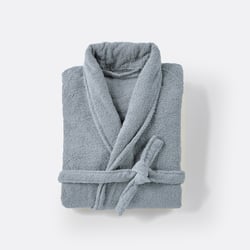
A cotton dressing gown is a reliable option if you like a natural feel and want something comfortable across different seasons. Cotton tends to feel breathable against the skin, which makes it useful after bathing and easy to wear over nightwear. If your home gets warm once the heating is on, cotton can feel less heavy than thicker fabrics. You may also find that cotton works well for regular use because it balances softness and practicality.
If you are comparing a women's cotton dressing gown style with other fabrics, think about whether you want absorbency or simply softness. Some cotton dressing gowns are light and smooth, while others are thicker and more textured. If you are browsing several cotton dressing gowns, check the weight and finish rather than assuming they all feel the same.
Towelling for post-shower comfort
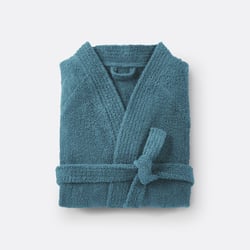
Towelling is especially useful if you want your blue dressing gown to be part of your bathing routine. The looped texture helps absorb moisture, so it is a sensible choice after a shower or bath. A women's towelling dressing gown design can be ideal if you prefer to dry off gradually while doing your skincare or getting ready for bed. It also feels reassuring on cooler evenings, when stepping out of a warm bathroom into a colder hallway can be a shock.
That said, towelling can feel bulkier than other fabrics. If you want a gown mainly for lounging on the sofa, you might prefer a lighter cotton or fleece style instead.
Fleece for warmth
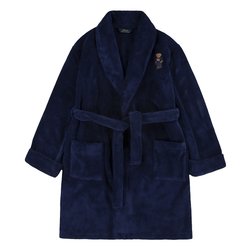
Fleece is often the answer if warmth comes first. It feels soft, cosy, and insulating, which makes it a popular choice for winter and colder homes. At La Redoute, our selection includes soft fleece bathrobes designed to feel warm and comfortable to wear. That kind of texture suits slow mornings, especially when you are not ready to get dressed straight away.
Fleece is especially useful for chilly mornings because it traps warmth quickly. If you are the sort of person who heads straight for the kettle after getting out of bed, a fleece blue gown can help you feel comfortable sooner.
Satin for a lighter feel
Satin offers a smoother, lighter finish and often feels cooler on the skin. It can be pleasant in warmer months or if you dislike thick layers. However, satin is not the obvious choice if you want absorbency after bathing or extra warmth in winter. If your priority is practical comfort, satin usually works better as a light lounge piece than as a wrap for cold mornings.
Think about everyday use before looking at price
Price matters, but value comes from choosing a dressing gown that suits your routine. A lower price can still be a smart buy if the fabric, cut, and care instructions fit the way you live. Likewise, a gown on sale is only worthwhile if it feels good to wear and washes well. Looking at use first helps you avoid buying something that spends more time on the back of a door than on your shoulders.
Ask yourself where your gown will be used most often. If it lives in the bathroom and comes on after every shower, towelling or cotton may make more sense than satin. If it stays in the bedroom and you wear it while reading or drinking coffee, fleece may feel more inviting. If you want one gown to cover several situations, a regular cotton or lighter fleece option can be easier to live with throughout the year.
Blue also gives you room to choose a style that feels personal. A navy robe looks classic and understated. A pale blue gown can feel fresh and relaxed. If your taste usually leans towards pink, a blue option may still appeal if you want something calm and versatile. Some women prefer a stripe for a more traditional look, while others like a simple plain finish that coordinates easily with slippers and sleepwear.
Small details that make a big difference
Once you have chosen the main fabric and fit, turn to the comfort details. These are the features that affect wearability every single day.
A hooded dressing gown can be genuinely practical if you wash your hair in the evening and want extra warmth around the head and neck. A shawl collar, on the other hand, may sit more neatly under your chin when you are relaxing on the sofa. Pockets are another detail worth checking. Deep front pockets are useful if you carry lip balm, your phone, or a hair tie from room to room.
Cuffs matter too. Loose sleeves can dip into the sink when you wash your face, while sleeves that are too tight make layering over pyjamas less comfortable. The fastening should feel secure without digging in at the waist. If the belt is too thin, it may twist or loosen quickly. If the overlap at the front is too narrow, the gown may not stay closed when you sit down.
Design details such as print, stripe, and trim should come after comfort, but they still help you choose something you enjoy wearing. A simple navy gown often feels timeless, while a soft blue robe with a subtle print can make your evening routine feel a little more considered without becoming fussy.
Care and washing: what to check before you buy
A dressing gown should be easy to care for because it is one of the most regularly used items in the home. Before you buy, read the washing guidance and think about how often you are likely to launder it. If you wear your blue dressing gown after bathing, you may wash it more often than a lounge robe used only occasionally.
Always match the fabric to the care routine you can manage. Cotton and towelling are often straightforward, but they can take longer to dry because they hold more water. Fleece may dry faster and feel soft straight from the line or airer, but some people prefer to wash it carefully to keep the texture pleasant. Satin may need more attention, especially if you want to keep its smooth finish looking neat.
There is also the question of storage. A thick long fleece gown needs more hanging space than a lighter cotton version. If your bathroom hooks are small or your airing cupboard is already full, that can affect what feels practical at home. These points may seem minor, yet they shape whether your purchase remains easy to use week after week.
While shopping for bedroom comfort, you may also be looking at other home essentials, from sleepwear to bedding. It makes sense to think about how your gown fits into that wider routine: warmth after bathing, comfort before bed, and a relaxed start to the day.
Comparing styles for the whole household
If you are buying for more than one person, comparing styles side by side can save time. A blue gown for women may prioritise a softer drape or lighter waist shaping, while another household member might prefer a simpler wrap such as a men's white dressing gown. The best approach is still the same: look at fit, fabric, and use before colour or sale labels.
Some households like matching gowns in different shades, perhaps navy for one person and a lighter blue for another. Others prefer to keep each robe distinct through colour, with options like pink, blue, or patterned styles. What matters most is that each one suits the wearer’s routine. A person who showers in the morning might want towelling; someone who gets cold in the evening may be happier in fleece.
What you need to know before buying
How to choose a dressing gown?
Choose a dressing gown by starting with the moment you will wear it most often, because that tells you what level of warmth, absorbency, and freedom of movement you need. If you want to wear it after a warm evening shower, a towelling or cotton gown usually makes sense because it feels comfortable on slightly damp skin and helps with drying. If your main use is wrapping up on chilly mornings, fleece is often the better option because it warms quickly and keeps heat close to the body. If you plan to keep it on while sipping coffee at home or reading before getting dressed, focus on fit, pocket placement, and whether the belt stays secure when seated.
A useful way to choose is to work through three checkpoints:
- Fit: decide between regular, relaxed, or long coverage depending on your height and how much warmth you want.
- Material: cotton for breathability, towelling for absorbency, fleece for warmth, satin for a lighter feel.
- Details: consider hooded styles, pocket depth, sleeve shape, and ease of washing.
There are a few pitfalls to avoid. Do not rely on colour alone, even if blue, navy, or pink catches your eye first. A lovely shade will not help if the sleeves are too short or the fabric feels wrong for the season. Do not judge by price alone either. A sale offer can be tempting, but if the gown is too heavy for your home or awkward to wash, it will not feel like good value. Also, read reviews with a practical eye. Look for comments about softness after washing, whether the front overlap is generous enough, and whether the item feels bulky or easy to wear around the house.
For a concrete example, imagine two shoppers. One wants a robe for stepping out of the shower and doing skincare before bed: a blue towelling or cotton gown with a regular fit and easy-care washing instructions will usually suit that routine. The other wants something to pull on over pyjamas before heading downstairs on a cold morning: a long hooded fleece gown with pockets is likely to be the more comfortable choice. When you choose based on use rather than appearance alone, you are far more likely to end up with a dressing gown you reach for every day.