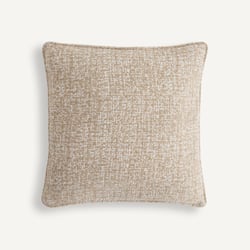
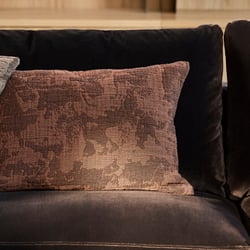
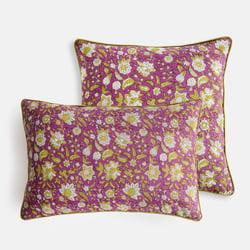
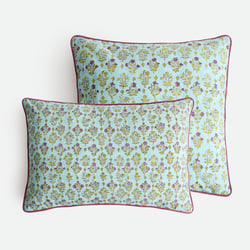
Start with the size of your insert
Before you choose a colour or fabric, match the cover to the cushion you already own. For an insert labelled 60 x 60cm, a cover with the same stated dimensions is usually the simplest starting point. That gives you a square cover designed for that nominal cushion size, without relying on stretching the seams or folding the filling. Check the product description too: some covers are designed for a close fit, while others allow a little more room around the insert.
Choosing 60x60 cushion covers becomes easier when you separate three decisions: dimensions, fullness and fabric. You might want a plump cushion against the arm of your sofa, a softer back support for reading, or a decorative layer beside a smaller pillow. Each use affects how firmly you want the cover filled and which surface will feel comfortable against your skin.
Measure the cushion before ordering a cover
Use the label first, then check the dimensions
A 60 x 60cm insert normally takes a 60 x 60cm cover. If the insert still has its size label, use that measurement rather than estimating from how large it looks on your sofa. A thick, rounded cushion can appear smaller across its face because the filling pulls the fabric into a curve.
If there is no label, remove the existing cover and measure it empty, laid flat, from seam to seam. Measure both directions rather than assuming it is square. If you only have the insert, measure between its seams without compressing or stretching it, and treat the result as a guide. An old cover that has shrunk in the wash may not reflect the insert’s original size.
- Check that both dimensions are given in centimetres: 60 x 60cm is approximately 24 x 24 inches.
- Look for wording that distinguishes the cover size from the recommended insert size.
- Confirm whether the product includes a cover only or a filled cushion.
- Check any stated measurement tolerance before expecting an exact seam-to-seam match.
When browsing 60 x 60 cushions, check each listing carefully. A photograph of a filled cushion does not necessarily mean that the insert is included, so read the contents before comparing the price.
Allow for the filling, not just the measurements
Cushion size compatibility also depends on what is inside the insert. A flexible feather-filled insert can often be eased into corners more readily than a firm foam pad. A densely filled synthetic insert may already put noticeable pressure on a same-size cover, particularly if its fabric has little give.
Do not force a zip closed against a tightly packed insert. If the opening pulls apart, the corners distort or the zip needs a strong tug, stop and check the fit. A plump appearance should come from an appropriate insert, not excessive strain on the fastening. If you are buying both items new, follow the cover’s insert recommendation where one is provided.
Choose the fit you want on your sofa
A close fit for upright support
A well-filled 60cm square cushion works well at either end of a sofa, where it can support your back or soften a firm armrest. The cover should sit smoothly across the front while allowing the cushion to compress when you lean against it. Loose corners usually indicate that the filling needs redistributing, the insert has flattened, or the cover is too large.
To refresh square sofa cushions with snug 60x60 covers before guests arrive, fit one cover first and place it on the sofa. Sit against it, check that the zip remains hidden and compare its depth with the seat. Once you are happy with that fit, repeat it across the remaining cushions rather than opening every cover at once.
A softer fit for lounging
If you like a cushion that gives easily when you settle down with a book, choose an insert with a softer fill rather than simply buying an oversized case. Too much spare fabric can crease around the edges and leave the corners empty. A correctly sized cover over a yielding insert usually gives you softness without a baggy outline.
For a layered arrangement, put your larger cushions at the back and smaller ones in front. You can add 50cm cushion covers to create that difference in scale, provided you also have appropriately sized inserts. Smaller covers are not direct replacements for your 60cm ones.
Fabric details that affect everyday comfort
Cotton and textured fabrics for regular use
For a cushion you move several times a day, consider how the fabric feels against your hands and how it needs to be cleaned. Cotton covers can suit everyday lounging, but weave, thickness and care instructions vary. A textured weave may make small creases less noticeable, while a smooth surface makes a striped pattern easier to see from across the room.
Read the care label before choosing your fabric. If your cushions sit beside a dining area or are used during family film nights, cleaning requirements matter as much as colour. Check the permitted washing temperature, drying method and whether ironing is suitable. Avoid assuming that every removable cover can go into the washing machine.
Velvet for a soft surface with visible depth
Velvet has a pile that catches the light differently depending on its direction. This can make two cushions in the same shade appear lighter or darker when one is turned around. If you are arranging a matching set, brush the pile gently in the same direction and view the cushions in daylight before deciding where they should sit.
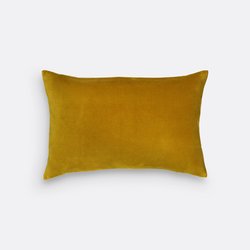
At La Redoute, our Parma Cushion Cover in Washed Cotton Velvet by AM.PM is made from washed cotton velvet, giving it all the softness of a quality fabric. When considering velvet cushion covers, check the individual listing for available dimensions and care instructions rather than assuming every design comes in a 60cm square size.
If you regularly rest your cheek against a cushion, pay attention to seams, raised patterns and trims as well as the main fabric. A soft front panel can still feel uncomfortable if a firm decorative edge falls directly beneath your face.
Check fastenings, quantities and colour before buying
Look closely at the opening and edges
A concealed zip keeps the fastening out of sight, but its opening must still allow you to insert the cushion without excessive pressure. Piping creates a defined border, so check that the filling reaches the corners evenly. On an envelope-style cover, make sure the overlapping panels remain closed once the insert is inside.
For practical cover fit guidance, start by folding a flexible insert gently and feeding the far corners into place. Release it inside the cover, distribute the filling, then close the fastening slowly. Keep loose filling and the inner cushion fabric clear of the zip teeth.
Compare the full purchase, not only the photograph
Check whether the price is for one cover, a pack or a filled cushion. If you need four matching covers, a low individual price may still mean a different total from a two-cover pack. Confirm the quantity, dimensions and fabric composition for each product before adding it to your basket. Check delivery charges and whether free delivery applies to your order rather than assuming it is included.
Colour planning is easier if you work with something already in the room. For example, blue cushion covers can pick up a blue stripe in a rug or a detail in your curtains. If you already have leopard print cushions, plain larger covers behind them can keep the pattern visible without introducing another competing print.
To swap 60x60 cushion covers seasonally to match changing living-room colours, keep the same inserts and choose replacement covers with compatible dimensions. You could use a lighter cotton surface alongside a lightweight throw in warmer months, then choose velvet when you want a softer surface for evening lounging. Store clean, fully dry covers together so that the next change is straightforward.
Clear answers on cushion sizes and cover fit
What size cover for a 60cm cushion?
Choose a 60 x 60cm cover for a square cushion insert labelled 60 x 60cm, unless the manufacturer recommends a different size. Matching the stated dimensions is the most reliable starting point because it avoids guessing how much the fabric or filling will compress. Check that “60cm cushion” refers to both sides of a square insert, rather than just one measurement of a rectangular cushion.
The final appearance also depends on the insert’s fullness and condition. A flattened insert may leave a correctly sized cover looking loose, while a very firm insert can make the same cover feel tightly packed. Before changing sizes, redistribute the filling and check whether the insert still fills its own corners.
- Use the insert label and the cover’s sizing guidance together.
- Check whether the listed dimensions describe the cover or the recommended filling.
- Avoid sizing down simply to hide a worn or underfilled insert.
For example, if you are replacing two worn covers on 60cm sofa cushions, start with two 60cm covers and test one before fitting the second. If the first looks slack only at the top corners, move the filling into those corners before deciding the size is wrong. If the zip strains despite careful fitting, remove the insert and check both labels rather than pulling harder.
Can you put a 50x50 cushion in a 45x45 cover?
Sometimes, but only if the insert is sufficiently flexible and the cover allows it. A 50 x 50cm insert is 5cm larger in each direction than a 45 x 45cm cover. That difference can produce a fuller appearance with a compressible insert, but it can also put too much pressure on the seams and fastening. It is not a suitable general rule for every fabric or filling.
Check the manufacturer’s recommendation first. A soft, loosely filled insert may compress enough to fit, whereas a dense foam pad or firmly packed synthetic cushion may not. A cover with little give, a narrow zip opening or delicate detailing leaves less room for adjustment.
- Ease the insert into the far corners without pulling on the zip.
- Stop if the cover bows sharply, the seams pull or the fastening resists.
- Use a 45 x 45cm insert if you want a less tightly filled result.
For example, you might test a spare soft 50cm insert inside a 45cm decorative cover intended for occasional use. If the zip closes gently and the cushion compresses comfortably, the fit may work. If you need to hold the edges together firmly to close it, use a smaller insert instead. For your 60cm cushions, apply the same principle: follow stated compatibility guidance rather than assuming that a smaller cover will always give a better shape.