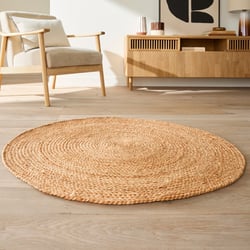
Choose a jute rug for outside: what you need to know first
If you like the warm, textured look of a jute rug, it is natural to wonder whether you can bring that same style into your outdoor space. On a patio, balcony or porch, a rug can do more than decorate the floor. It can define an area for seating, make hard surfaces feel more welcoming underfoot, and help your garden set-up feel more like an extra living room. But with jute, the key question is not just style. It is whether the material can cope with damp air, rain, direct sun and regular foot traffic.
That is where practical buying considerations come in. A natural-looking rug may seem ideal beside planters and wooden furniture, yet outdoor use demands more from a floor covering than indoor use ever would. If you are choosing between a pure natural fibre rug and a lookalike designed for exterior conditions, you need clear guidance on weather exposure, cleaning and long-term wear. That way, you can judge whether this type of product suits your space, your routine and your local climate.
For example, a rug that works well on a covered porch may struggle on an open terrace exposed to heavy rain. A runner placed by a back door may help with dirt after gardening, but if it stays damp for days, the fibres may weaken. These are the everyday details that make the difference between a smart buy and a disappointing one.
How a jute-style rug works in an outdoor setting
A jute-inspired look is popular because it brings an easy, grounded finish to exterior spaces. It softens paving, timber decking and tiled floors without looking too formal. In practical terms, it can also help organise your layout. One rug under a coffee table and two chairs immediately creates a zone, even on a small balcony. Another placed near the threshold can cover porch flooring and reduce dirt tracked inside after gardening.
One of the most appealing uses is the way it defines a patio seating area with weather-resistant jute texture. The woven look feels relaxed and natural beside rattan, metal or acacia furniture, while the rug itself helps visually anchor the chairs so the set-up feels intentional rather than scattered. On a city balcony, it also adds natural style beneath balcony chairs during morning coffee, especially where the floor is plain concrete or painted metal.
Still, there is an important difference between the appearance of jute and the behaviour of true jute. Many shoppers search for a woven outdoor rug because they want that earthy style without the maintenance issues linked to plant fibres. That distinction matters. A rug can look natural and textured while being made from a material better suited to outdoor conditions.
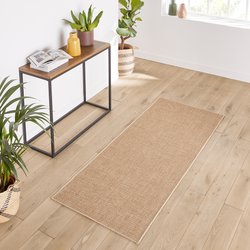
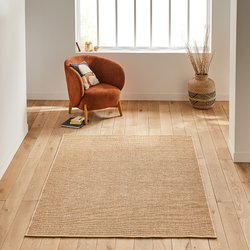
At La Redoute, the Essen jute-effect indoor/outdoor rug, natural, LA REDOUTE INTERIEURS, is made from jute-effect polypropylene, and the Essen Runner stands out for its understated look. It is a useful example of how a product can capture the visual appeal of jute while being better suited to regular outdoor exposure than a standard untreated natural fibre rug.
Weather exposure: the main point to check
Before you buy, think less about colour and more about where the rug will sit day after day. Outdoor conditions vary hugely from one home to another. A covered porch with good airflow is very different from a roof terrace exposed to driving rain and full afternoon sun. Jute, as a natural fibre, generally has limits when faced with repeated moisture. If the rug gets wet often and cannot dry quickly, it may become misshapen, rougher to the touch or more fragile with use.
To assess suitability, look at the exact placement:
- Covered porch: lower risk, especially if the rug stays mostly dry.
- Balcony with partial shelter: manageable if rain only reaches the edges and the rug can air out.
- Open patio or garden terrace: higher risk for true jute because of rain, dew and sun exposure.
- Doorway or utility entrance: practical for catching dirt, but only if the rug is easy to clean and dries quickly.
Sun matters too. Strong UV exposure can fade some rugs over time, while repeated damp conditions can affect shape and texture. If you live in a region where mornings are often wet with dew, that daily moisture counts just as much as a rain shower. In a family garden, where children run in and out and chairs are moved often, friction adds another layer of wear.
That is why many people choose a jute-look outdoor rug rather than pure jute. A synthetic construction can be tested for exterior use and easier to live with in places where the weather is unpredictable. When reading a product page, check whether the rug is described as suitable for indoor/outdoor use rather than assuming a natural look means it can handle the same conditions.
Material limits: natural fibre versus jute-effect options
True jute is valued for its organic texture and soft, earthy appearance. Indoors, it suits a dining room, living room or hallway beautifully. Outside, however, its limits become more obvious. Natural fibres tend to absorb moisture more readily than weather-resistant alternatives. If left in a damp spot, the rug may retain water for longer, which is not ideal for frequent outdoor use.
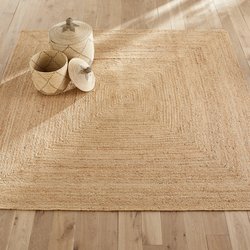
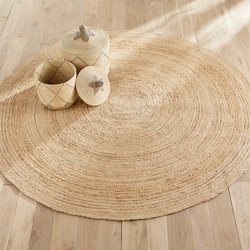
This does not mean every jute-style rug is a poor choice for outside. It means you need to separate the look from the fibre content. Some outdoor rugs are designed in polypropylene or similar materials to imitate braided or woven jute. These versions often cope better with spills, light rain and regular cleaning. If you want the style but need easier maintenance, this is often the more practical route.
When checking a product, read beyond the main title. The material line, care details and usage advice are what tell you whether the rug is really suitable for exterior spaces. Terms such as non-slip backing, UV resistance, easy-clean surface or indoor/outdoor use are more useful than a simple colour or style description. If you see references to OEKO-TEX or other safety-tested standards, that may help you understand the product specification, but outdoor durability still depends mainly on fibre type and construction.
You may also notice technical labels such as pile height or a reference number on the product page. These details can seem secondary, yet they help you compare one rug with another. For example, a flatter weave can be easier under chairs than a thick looped texture, and a lighter runner may be simpler to lift and dry after a shower.
Care and maintenance: what daily use really involves
If you want an outdoor jute-style rug to last, maintenance cannot be an afterthought. Exterior floors quickly collect dust, pollen, leaves and grit. Add muddy shoes, plant pots and food spills, and your rug will need more attention than one used in a bedroom or formal room. The good news is that routine care is manageable if the material is appropriate for the setting.
For regular upkeep, start with simple habits:
- Shake out loose debris once or twice a week in warmer months.
- Vacuum on a gentle setting to remove grit that can wear the weave.
- Blot spills quickly rather than rubbing them deeper into the fibres.
- Lift the rug occasionally to let the floor beneath dry fully.
- Bring it under cover during prolonged wet weather if the material is moisture-sensitive.
In practical terms, this matters most in busy transition spots. If the rug sits near a back door, soil from the garden can grind into the surface. A quick clean after potting plants or mowing the lawn prevents dirt from becoming embedded. On a balcony, wind can blow in dust and city debris, so a light vacuum does more than keep it tidy; it also helps preserve the texture.
Check the underside as well. A rug used outdoors should stay stable, especially under dining chairs or near steps. If it does not have a built-in slip-resistant finish, you may need a suitable underlay designed for exterior floors. This is especially useful on smooth tiles, where movement can be both annoying and unsafe.
What to check before buying
Buying the right rug starts with matching the product to your exact space rather than choosing on appearance alone. Before you place an order, go through a short checklist. It will help you avoid choosing a rug that looks right online but struggles in day-to-day use.
- Placement: Is the rug for a covered porch, balcony, patio or open garden seating area?
- Material: Is it true jute or a jute-effect synthetic designed for outdoor conditions?
- Size: Will it fit under furniture without chair legs catching on the edge?
- Care: Can you clean it easily after muddy shoes, plant debris or food spills?
- Drying time: If it gets wet, can it dry quickly where it is placed?
- Price: Does the cost reflect regular outdoor performance or mainly decorative appeal?
- Delivery: Is it supplied rolled or folded, and will you need time for it to settle flat?
The point about price is worth a closer look. A lower-cost rug may be fine for a sheltered seasonal corner used only in summer, while a more robust option can make sense for a busy family patio in constant use. If you expect the rug to stay outside through changing weather, paying attention to the material and care guidance usually matters more than choosing the cheapest style.
It also helps to picture the rug in use. Will it sit under balcony chairs used every morning? Will it be exposed to watering cans, wet shoes and soil after time in the garden? Will it support a coffee table, or will it simply soften an entrance? The more specific your use case, the easier it becomes to judge whether the product is right for you.
What you need to know before buying
Is a jute rug ok for outdoor use?
A jute rug can be ok for outdoor use in a limited, carefully chosen setting, but it is rarely the easiest option for fully exposed areas. The direct answer is this: if the rug is made from true natural jute, it is better suited to sheltered spaces such as a covered porch or a balcony with a roof above. In an open patio or uncovered garden seating area, regular rain, damp air and morning dew can shorten its life quite quickly. The fibres may absorb moisture, dry unevenly and become rougher or weaker with repeated exposure.
If you love the jute look and want something for outside, a jute-effect rug is often the more practical answer. It gives you the same relaxed, natural appearance with fewer day-to-day worries. A good example is when you want to define a patio seating area without constantly bringing the rug indoors after every shower. In that case, a material designed for indoor/outdoor use makes more sense than pure jute.
When deciding, keep these points in mind:
- Choose true jute only for sheltered spots with low moisture exposure.
- Prefer synthetic jute-look options for open-air use.
- Check whether the product is clearly described as suitable for outdoor use.
- Avoid leaving a natural fibre rug on wet stone or decking for long periods.
A common mistake is assuming that because a rug looks rustic and garden-friendly, it can handle all weather. In practice, style and performance are not the same thing. If your outdoor area gets soaked in winter or stays damp after rain, a classic jute rug is likely to be more work than you want.
What should you look for in an outdoor rug?
When choosing an outdoor rug, start with performance before appearance. The best outdoor rug is one that suits your floor, your weather conditions and the way you actually use the space. If the rug will sit beneath chairs that are moved every day, it needs a weave that stays flat. If it is going near a back door, it should be easy to clean after muddy traffic. If it is for a balcony, it should be light enough to lift and air out when needed.
The most useful things to look for are material, stability and care instructions. A rug designed for outdoor use should cope with occasional moisture, dry reasonably well and hold up under regular footfall. You should also check whether it will stay in place. On smooth paving or tiles, a rug without enough grip can shift, particularly if children or pets run across it.
Use this practical checklist:
- Look for indoor/outdoor wording on the product page.
- Check the fibre content rather than relying on the look alone.
- Choose a size that leaves enough floor visible around the edges.
- Make sure chairs can slide without catching on the weave.
- Read the cleaning advice before ordering.
- Consider whether you need a non-slip solution for your floor type.
For a concrete example, if you want a rug under two balcony chairs used for morning coffee, a flat, easy-clean design is usually more practical than a thick natural weave. If you want a runner by the porch to reduce dirt indoors, choose a product that can be vacuumed and dried quickly rather than one that retains moisture.
What are the downsides of using jute rugs?
The main downsides of using jute rugs outdoors come down to moisture, maintenance and wear. True jute has an appealing texture and colour variation, but outside it can be less forgiving than synthetic alternatives. If it gets wet often, it may absorb water, take longer to dry and look less neat over time. In a space exposed to rain or heavy dew, that can mean curling edges, a roughened surface or a shorter usable life than expected.
Another drawback is cleaning. Jute does not always respond well to heavy washing or repeated soaking, so dealing with muddy marks, plant stains or spilled drinks can be trickier than with an outdoor polypropylene rug. If you use the rug near a dining set, under planters or by a doorway from the garden, you may find yourself cleaning carefully and often. That is manageable for some homes, but not ideal if you want low-effort upkeep.
The main drawbacks to watch are:
- Less tolerance for rain and damp conditions.
- Longer drying time than many outdoor-specific materials.
- More careful cleaning required after spills or mud.
- Potential wear in high-traffic exterior areas.
- Possible movement on smooth floors if there is no slip-resistant base.
A practical example is a porch used after gardening. A jute rug there may look lovely and help catch soil, but if wet boots and damp tools pass over it repeatedly, the rug may soon show wear. If that sounds like your routine, a jute-look alternative is often the easier choice, especially if you want the same style with less upkeep.