
Furniture & Rug
the essential information about your furniture
It's important to know that the colour of your furniture will change depending on how it's used and its exposure to light. Try to avoid exposing your furniture to direct sunlight or heat sources for extended periods as this could cause discolouration.
• Never place wet or hot items directly onto the product because the surfaces of furniture are sensitive to heat. That's why we recommend using trivets or table mats.
• Keep the Allen key so you can tighten the structure regularly to give your furniture permanent stability.
• To keep your furniture clean, dust it regularly with a dry cloth.
• When moving items around on your furniture, don't drag or slide them, lift them to avoid scratches.
• If you want to move your furniture, we recommend that you always do it with at least one other person. Don't drag it - make sure you lift it to avoid scratching your floor.
• If your furniture contains fabric elements, the colour may alter over time. This is a natural reaction of fabrics exposed to sunlight.
general maintenance of your furniture
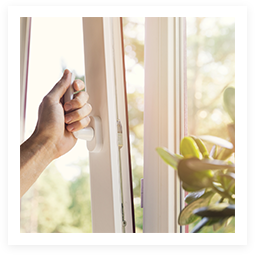
Upon receipt of your furniture, be sure to air it, with the doors and drawers open, in a well-ventilated room.
Avoid any contact with alcohol-based substances, solvents, abrasive materials, sharp or cutting objects.
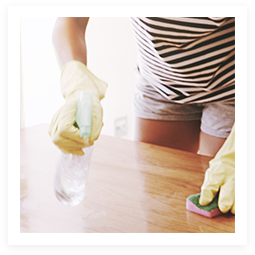
Household cleaning products such as bleach should not be left for prolonged periods on the surface.
care guide by material
Solid Wood
Wood is a durable, natural, living material, which explains variations in grain, colour, texture and the presence of knots. Being naturally porous, it continues to absorb and release moisture throughout its life.
Veneer is a thin sheet of solid wood glued to a wood-based panel to produce a clean, smooth surface finish.
CARING FOR VARNISHED SURFACES (WOOD OR VENEERS)
• Clean with a cloth moistened with a mild detergent. Always finish by wiping with a dry cloth.
• Don't use cleaning products containing solvents or abrasives.
• Try to avoid exposing your furniture to direct sunlight or heat sources for extended periods, this could cause discolouration.
• Never place wet or hot items directly onto your furniture: remember to use placemats or other protective products.
• Don't rub marks or soiling. Mop up any spills immediately by dabbing gently with a clean, dry, absorbent cloth, to prevent staining.
OILED WOOD
Oil brings out the grain and warmth of the wood but doesn’t provide protection from scratches. It needs regular care to protect its appearance.
• Oil your furniture at least once a year with paraffin oil or Vaseline to seal the pores of the wood and make it less vulnerable to variations in humidity.
• If your furniture is exposed to high temperatures or lots of humidity, apply the oil more frequently.
• After each application, allow time for the wood to absorb the oil before using your furniture.
• Dust regularly with a dry cloth.
• Wipe with a damp cloth.
• In case of stubborn stains, sand with fine sandpaper and then apply a coat of oil.
• Don't use cleaning products containing solvents or abrasives.

Rattan
Rattan is a natural material which can be bent and is very resistant to variations in humidity and temperature.
Care
• Clean with a damp cloth and then wipe dry with a clean cloth.
• Use a vacuum cleaner to remove dust.
• Don't put your rattan furniture near a source of heat, otherwise it might split.
• Outside, to avoid the risk of mould and discolouration, place your furniture in a space protected from the weather and not in direct contact with the ground.

Metal
Metal furniture: stainless steel, epoxy and aluminium are naturally susceptible to scratches and some liquids. Scratches are inevitable, including on stainless steel, but will blend in over time.
CARE
• Dust your furniture regularly with a dry cloth.
• Clean with a cloth dampened with a solution of warm water and a detergent with a neutral pH or washing-up liquid. Finish by wiping with a dry cloth.
• Never use abrasive cleaners.
• In order to prevent stains, don't leave spilt liquid on the surface for lengthy periods.

Glass
Our furniture is designed in tempered glass so it’s more resistant to knocks as well as being safer around the home. However it’s still susceptible to scratches and heat.
CARE
• Dust your furniture regularly with a dry cloth.
• Clean with a cloth dampened with water or window cleaner. Finish by wiping with a dry cloth.
• Avoid placing hot objects on the surface, table tops must be protected with coasters and table-mats.

Marble
Marble is a naturally porous material and sensitive to heat, which increases a risk of cracking. It’s already protected by a coat of silicone wax to prevent the risk of penetration of liquids.
CARE
• Only use cleaning products with a neutral pH.
• Wipe up spills immediately with a white cloth soaked in warm water and wrung out.
• Avoid placing hot objects on the surface, a table top should be protected with coasters and table-mats.

Melamine Surfaces
Melamine coating has a surface that's resistant to heat, light and scratches. Melamine is particularly suitable for intensive use (e.g. kitchen tables, office furniture).
CARE
• Dust your furniture regularly with a dry cloth.
• Wipe with a cloth dampened with a solution of water and washing-up liquid or mild detergent. Finish by wiping with a dry cloth.

Painted Surfaces
The paints and varnishes that we use in the manufacture of our products are resistant to everyday wear and tear. However, like all finishes, you need to follow these instructions to take care of your product:
• Don't rub the surface otherwise you might damage it.
• Wipe with a damp cloth moistened with a solution of water and washing-up liquid or a cloth dipped in a mild detergent.
• Finish by wiping with a dry cloth.
• Don't use cleaning products containing solvents or abrasives.
• Dust regularly with a dry cloth.
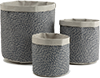
Decorative Paper
The appearance of decorative paper (decorative paper glued to a backing panel) is close to that of natural materials, plus it's economical and easy to care for.
CARE
• Dust your furniture regularly with a dry cloth.
• Clean with a cloth dampened with water or a solution of water and mild detergent. Finish by wiping with a dry cloth
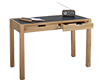
Fabric or Faux Leather
Due to the nature of the fabric used, each element of this kind of furniture is unique.
CARING FOR FABRIC SOFAS AND ARMCHAIRS
• Try to avoid exposing your furniture to direct sunlight or heat sources for extended periods, this could cause discolouration.
• Periodically clean the wooden parts by wiping with a clean cloth dampened with a solution of warm water and a mild detergent (neutral PH). Finish by wiping with a dry cloth.
• Clean the covering of your furniture periodically with the soft brush attachment of a vacuum cleaner.
• Don't use cleaning products containing solvents, or abrasive pads.
• Avoid contact with alcohol-based substances.
• If the covering becomes stained, we advise you to contact a stain-removal specialist as soon as possible.
• In all cases, first try the stain remover on a discreet part to test the result.
• Don't rub marks or soiling. Mop up any spills immediately by dabbing gently with a clean, dry, absorbent cloth to prevent staining.
• For removable covers, we recommend dry cleaning. Covers may shrink slightly so stretch them before putting them back on the furniture.
CARING FOR LEATHER PARTS
• Clean the covering of your furniture periodically with the soft brush attachment of a vacuum cleaner. Then wipe with a soft cloth moistened with warm water and then wipe with a clean dry cloth.
•To ensure the longevity of your product, we recommend that you apply a protective cream that you can find in specialist shops. Repeat depending on how often the product is used.
RECOMMENDATIONS FOR USE
• Don't expose your furniture to high temperatures or high levels of humidity (e.g. in a bay window, against a cold or damp wall or near a fireplace or radiator) to prevent discolouration or deterioration of your sofa.
• Do not use your furniture outside.
• If you want to move your furniture, we recommend that you always do it with at least one other person. Don't drag it and make sure you lift it to avoid scratching your floor.
• To ensure that your armchair or sofa retains its original appearance for as long as possible, remember to plump your cushions regularly (seat and back) so they keep their shape.
• If your furniture has leather parts, avoid exposure to sunlight to prevent drying the leather out.
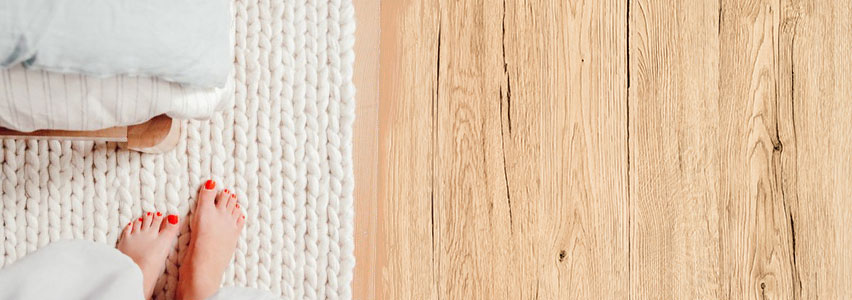
Care Guide rugs
Rugs are an essential part of interior design. They dress a room and add colour, plus they bring a feeling of softness, warmth and cosiness.
Recommendations for use
Whatever the material, the colours of a rug are sensitive to light and may fade if directly exposed to sunlight. Therefore, we advise you to turn your rug 180° and repeat the process every 3-4 months.
Your rug is also susceptible to wear in areas of heavy use, turning your rug will reduce this effect because the wear will be equalised.
If your carpet slips on the floor, we recommend you buy a non-slip backing which will also have the advantage of improving sound insulation.
Care
Generally, vacuuming is the best way to clean rugs. You don't need to vacuum on full power and we advise you not to use the brush attachment on your vacuum cleaner to avoid damaging the yarn.
Be careful to check the direction of the pile, don't vacuum against the direction of the tufts.
Some materials, such as wool, are very fibrous and pilling may be observed in the first weeks of use: this is normal, the carpet is "wearing in" by shedding surplus fibres. Remove fluff by hand as much as possible and don't use the brush attachment of your vacuum cleaner.
Your rug will undoubtedly be exposed to soling and stains during use.
Dry Cleaning
This is the preferred method for cleaning your rug. There are also two natural solutions: montmorillonite is a powerful stain remover and degreaser, or bicarbonate of soda, which also disinfects and removes odour.
In case of staining: act immediately by blotting with an absorbent cloth. Sprinkle ground montmorillonite or bicarbonate of soda from the edge of the stain towards its centre to prevent it spreading. Leave to work without rubbing, then clean with your vacuum cleaner.
To clean the entire rug: repeat the process on a larger scale. Sprinkle the whole rug with montmorillonite or bicarbonate of soda, leave overnight and vacuum clean on the following day.
Wet Cleaning
There are many specialist rug cleaning products available on the market. Always carry out a test on a corner of your rug to ensure that it doesn't adversely affect the fibres or colours.
Use a specialist stain removal product and check its suitability for your rug by applying it to an inconspicuous area.
Be sure to remember not to use too much water when cleaning your rug because soaking it is likely to damage it.
Basic natural cleaning
This is the best method for lightly soiled ordinary rugs. Dampen a sponge with soapy water and spread it over the entire surface of your rug to wash it. Then rinse with water containing a few drops of vinegar, still using a damp sponge.
Natural cleaning of pale or heavily soiled rugs
The trick is to add a few drops of ammonia to your soapy water and moisten a rag with it. Leave the mixture to soak in properly. Then rinse with a cloth moistened with warm water and pat with a cloth to dry.
You can also use professional cleaning devices: steam cleaners or carpet shampooers. Follow the instructions for use with care.
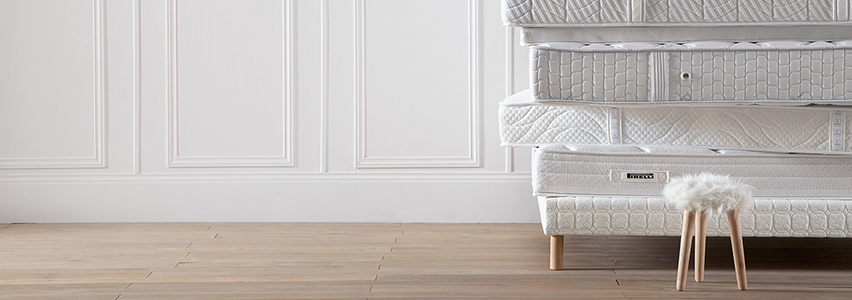
Care Guide mattresses
We spend about a third of our lives sleeping. To make the most of this precious time, it is essential to choose the right mattress! It’s important to look after your mattress properly so it retains its bedding properties for as long as possible.
Mattresses can become misshapen under the weight of your body and with time, will follow the contours of your body. That's why we recommend that you turn your mattress every 15 days during the first 3 months and then every 2-3 months after that. This will ensure a longer life for your mattress and its wear will be evenly distributed.
Mattresses are often heavy and difficult to turn. Therefore, avoid doing it on your own and get someone to help you. Don't forget to use the handles provided.
Also get help if you want to carry your mattress, but don't use the handles because they might tear. Never fold a mattress in two because it’ll damage the materials inside and it will lose its comfort properties. Bend it slightly to make it easier to get through doors, for example.
Care
Caring for your mattress is simple: keep your mattress dust-free by vacuuming it once a week to help remove fluff and dust mites.
To minimise allergies, remember to air your bedroom, wash your bed linen at a high temperature and vacuum the mattress once a week.
If your mattress is stained, it’s best to use a soapy solution in cold water or a commercially available cleaning product for upholstered furniture. Ask a stain-removal specialist which product to use. It is unadvisable to wet your mattress too much, it will only increase the size of the stain.
Hygiene
Our bodies naturally lose water during the night. To protect your mattress, we recommend a mattress cover that will give you a good level of protection.
In addition, a mattress topper will offer you excellent protection and a softer surface to sleep on. These two products will extend the life of your mattress.